"We pay yearly but we have this is included with our rental property. They are pretty good on most things. We had a hot water heater replaced and they did an excellent job on that. They are very quick on their response. They dont come out here. It is all done on the internet. I just like the idea that one time service charge is so much better than trying to hiring someone to come in. It is more about convenience. It pays for itself."
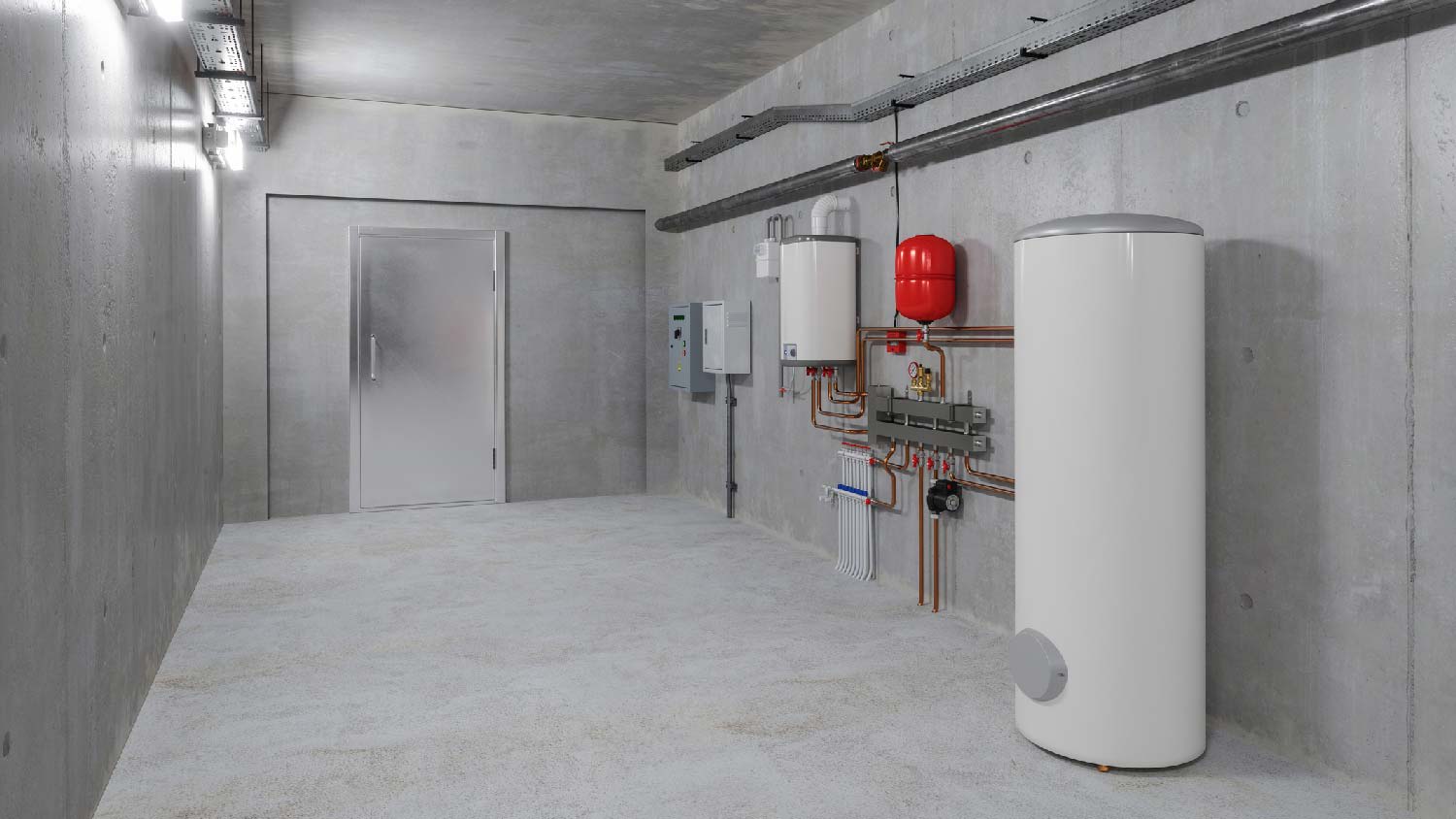
Yes, you can replace a current tank water heater with a tankless model or vice versa. If you’re maintaining the same fuel source—gas or electricity—the switchover should be smooth. A conventional tank requires open floor space, while a tankless model can be wall-mounted. If you’re switching to a tank water heater, you might need to clear space for it. Gas-powered tankless water heaters need a large volume of gas when they start running to heat the water instantly. You might need to increase the size of the gas line when going from a tank to a tankless model.
Signs your electric water heater is failing include inconsistent water temperature, reduced hot water supply, longer heating times, or discolored water (rusty or cloudy). Unusual noises like popping or rumbling suggest sediment buildup, while leaks or corrosion around the tank signal structural damage. If your unit is over 10 to 15 years old and experiencing frequent issues, it may be time to replace it.
If you want instant hot water and to reduce water waste while improving convenience, a hot water recirculating system is worth it, especially if you find your hot water heater is not hot enough. These systems can save thousands of gallons of water each year so you don't have to wait for hot water at faucets and showers. The upfront investment can be high, especially for systems requiring additional plumbing, but the long-term savings on water bills and added comfort make them a worthwhile upgrade.
Venting a gas water heater out of the roof is preferable in most cases. Heated exhaust gases naturally rise, so a vertical vent pipe is efficient. If you’re trying to vent through a pipe exiting a wall, the angle of the pipe may be more horizontal than vertical, making the venting system less effective. If you go through a wall, you may need to add a fan to ensure a successful expulsion of the gases outdoors.
We recommend you turn off the unit, the power, and the water supply as soon as you notice a leak. Your water heater tank should have a dedicated shut-off valve located on the cold inlet pipes. If the valve is broken or inoperable, use the shut-off valve to your home's main water supply to stop the flow to the entire house.
Avoid touching valves or pipes directly without confirming if they are hot. Wear gloves and other safety gear to keep from coming into contact with hot levers or components when turning off your leaking water heater.
The Britton, SD homeowners’ guide to water heater services
From average costs to expert advice, get all the answers you need to get your job done.
Looking to replace or upgrade your water heater? Use this water heater replacement cost guide to see what the work will cost and what factors affect your total.
A water heater flush costs $160 on average but can vary based on the unit size, type, labor, location, and more. Keep reading to learn how much you could pay.
Who can install a water heater for you? Look to hire a water heater installation pro or a licensed plumber for this job because of the challenges involved.
The average lifespan of water heaters is 6 to 15 years for conventional models and up to 20 for tankless ones, but it can be less if they are not properly maintained.