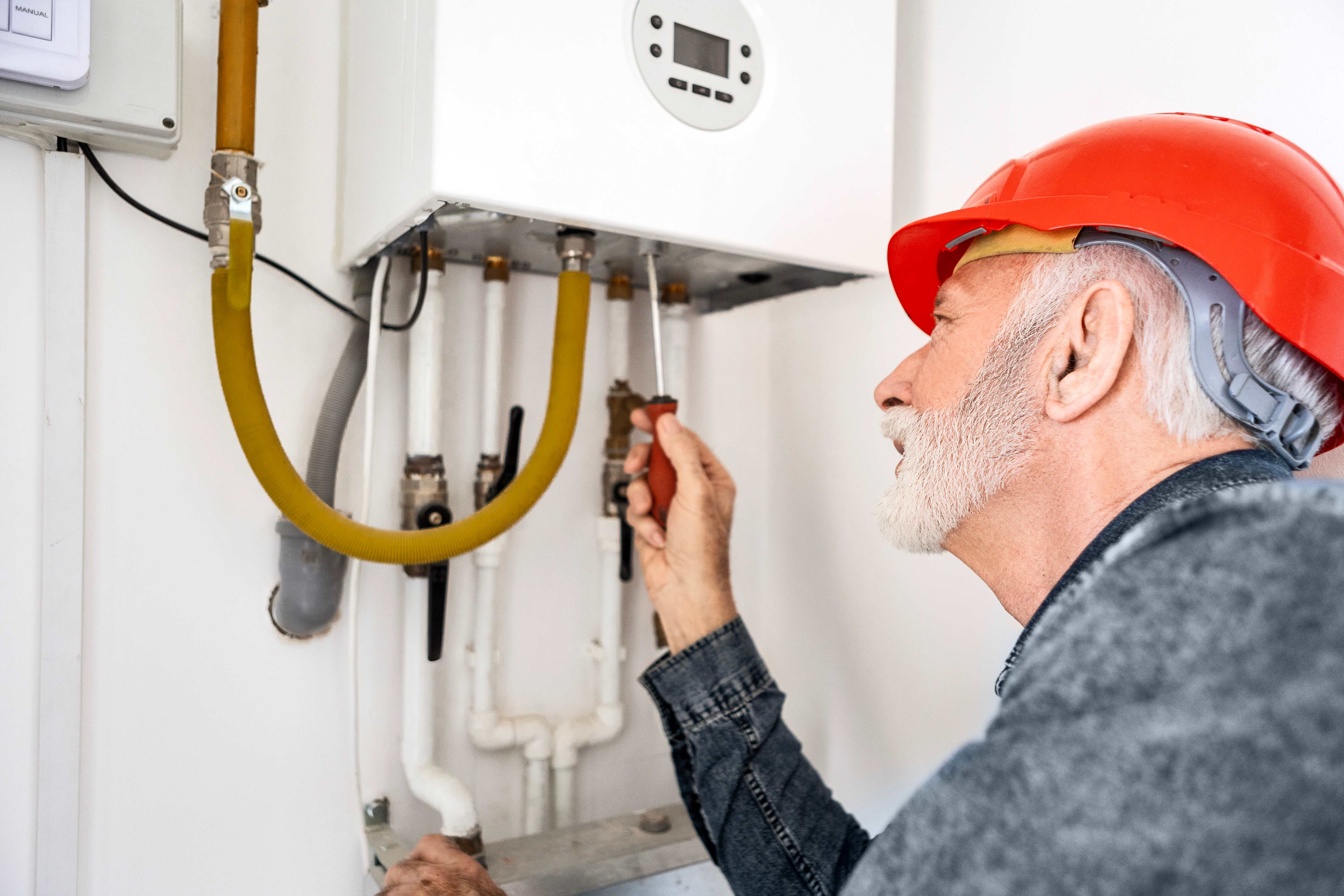
"We pay yearly but we have this is included with our rental property. They are pretty good on most things. We had a hot water heater replaced and they did an excellent job on that. They are very quick on their response. They dont come out here. It is all done on the internet. I just like the idea that one time service charge is so much better than trying to hiring someone to come in. It is more about convenience. It pays for itself."
No state requires you to vent an electric water heater. Other installation requirements for water heaters will vary, though, depending on the state and local jurisdiction in which you live. Some places require permits, while others don’t. Some may force you to place the appliance a certain distance from any walls or other appliances, while others don't. When you find a local professional to install a water heater, this expert will ensure you follow all the local regulations.
Yes, hybrid water heaters can be noisy — noisier than traditional water heaters. The sound they produce is often compared to the hum of a dishwasher. Its noise comes from the heat pump’s fan and compressor as they work to pull in and compress the air. While it’s not totally disruptive, especially if the unit is installed in less frequented areas, like a basement or garage, it’s something to keep in mind if you’re sensitive to noise or if the unit will be placed near bedrooms or living spaces.
If you want instant hot water and to reduce water waste while improving convenience, a hot water recirculating system is worth it, especially if you find your hot water heater is not hot enough. These systems can save thousands of gallons of water each year so you don't have to wait for hot water at faucets and showers. The upfront investment can be high, especially for systems requiring additional plumbing, but the long-term savings on water bills and added comfort make them a worthwhile upgrade.
If you are having trouble determining the right breaker size for your water heater, it is a great idea to contact an electrician near you to help. They can help you determine the best option for your home and install the circuit breaker for you, ensuring that you have all the proper permits and that your circuit breaker won’t overload, which could lead to fire and other damage.
If your gas water heater is over 20 years old, it should be replaced. Gas water heaters can last up to 12 years and while they can exceed this expectancy if well-maintained, a heater that's 20 years old would require replacement. The heater is unlikely to run as efficiently as a new model and could be more expensive to do so.
The Ipswich, SD homeowners’ guide to water heater services
From average costs to expert advice, get all the answers you need to get your job done.
Looking to replace or upgrade your water heater? Use this water heater replacement cost guide to see what the work will cost and what factors affect your total.
A water heater flush costs $160 on average but can vary based on the unit size, type, labor, location, and more. Keep reading to learn how much you could pay.
Find out the average tankless water heater repair cost, what impacts pricing, and how to save. Get expert tips to plan your repair budget with confidence.
Who can install a water heater for you? Look to hire a water heater installation pro or a licensed plumber for this job because of the challenges involved.
The average lifespan of water heaters is 6 to 15 years for conventional models and up to 20 for tankless ones, but it can be less if they are not properly maintained.