"Job was complete with one visit. Vacuum works great. Service was fast and efficient.
I had trouble finding anyone to work on central vacuum systems. But thanks to home advisor all problems were solved in finding Rockey. He is central vacuum specialist.
Thanks to Rocky for a great job with great service.
E Swindal"
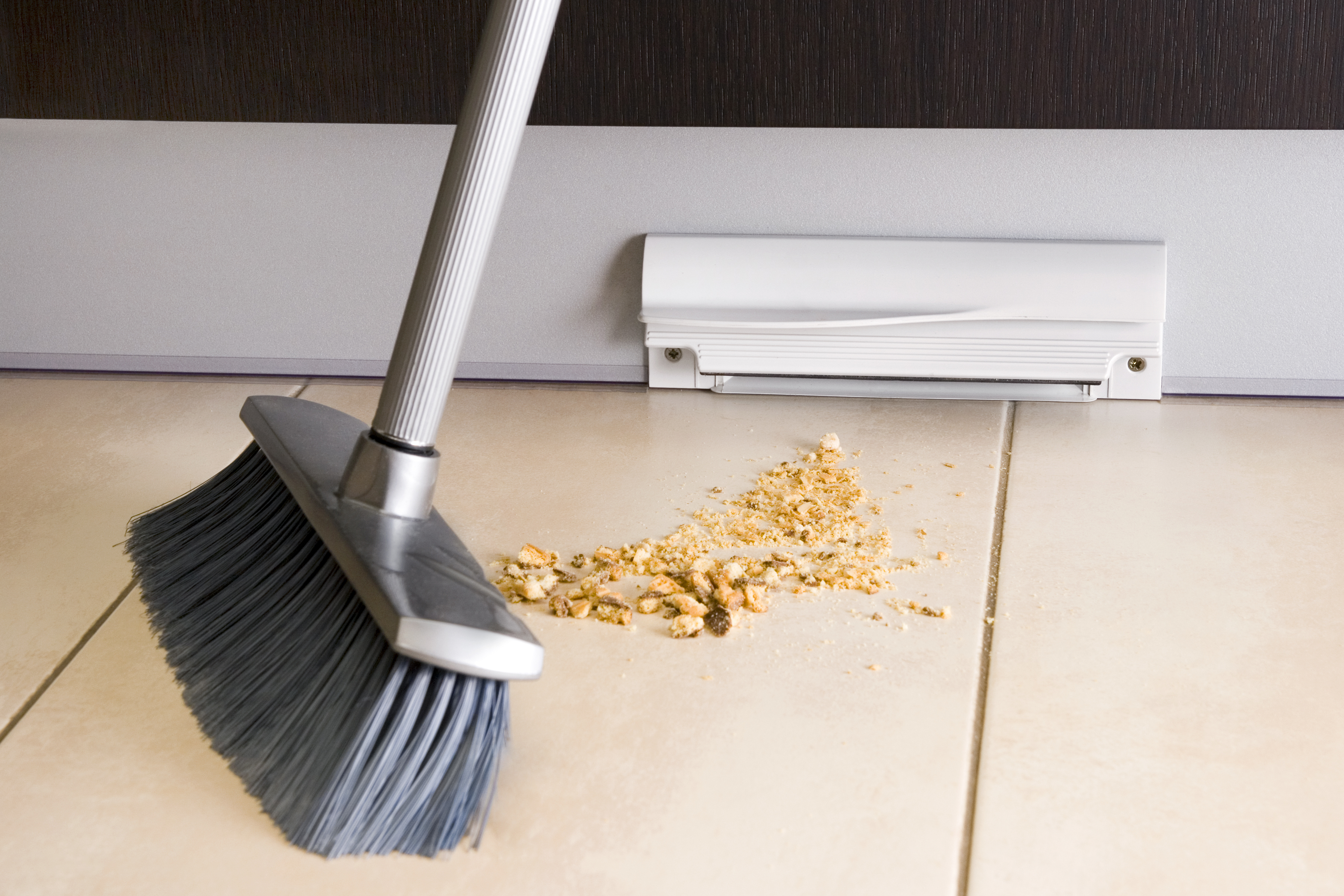
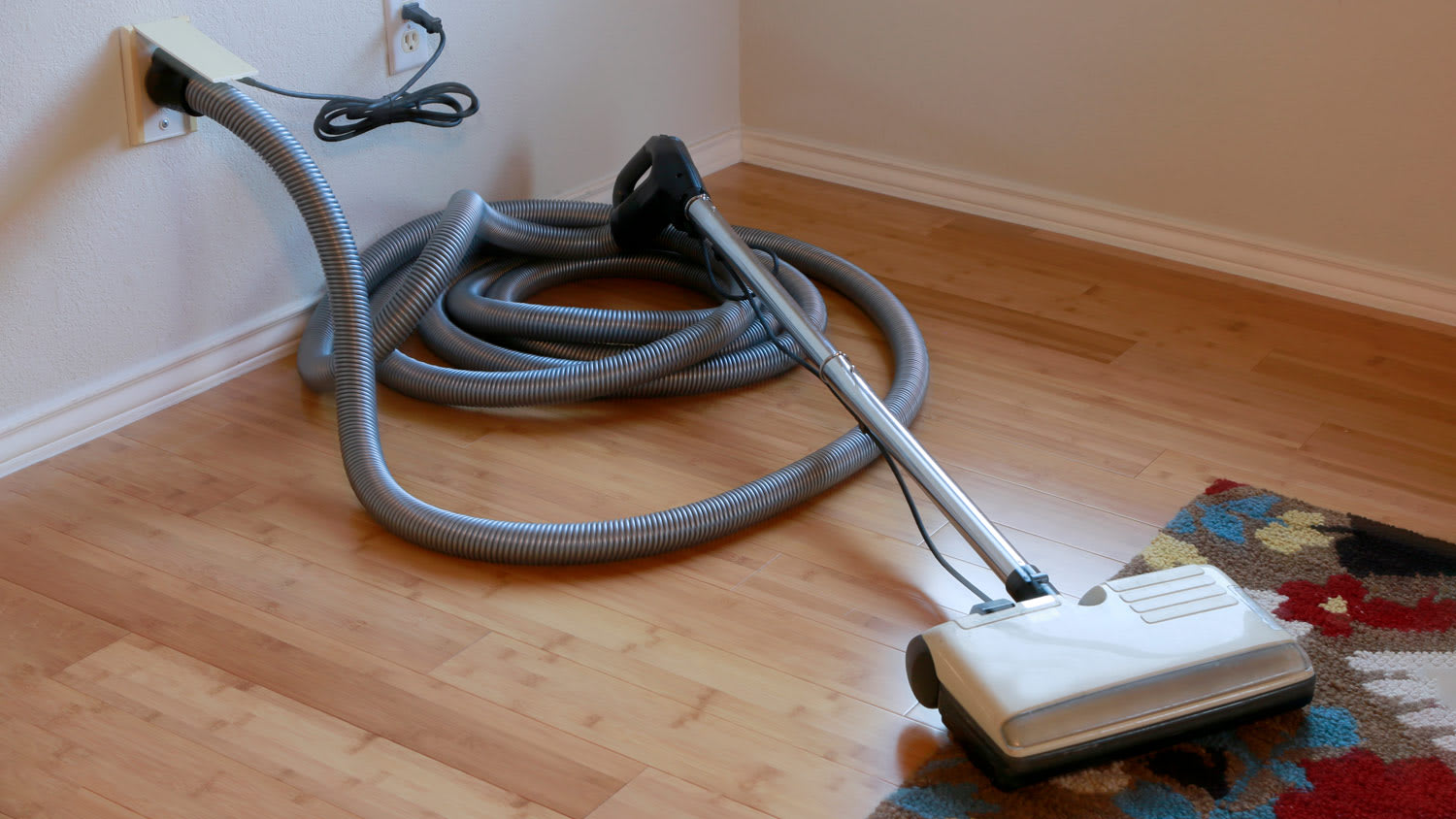
"They installed a central vacuum in my new home. The hose plugs were all contemporary and matched the hardware in my kitchen and door handles. Absolutely in love with the quality and suction on my new central vacuum. Christopher and his team are the best and now I know why."
"Work hard and keep you informed throughout the work. They installed a central vacuum system. Work was excellent; They kept their appointments, and provided fair pricing! Great to work with!"
Central Vacuum Systems questions, answered by experts
Maintaining your central vacuum cleaner is crucial to extending its lifespan. Ensuring the filter is cleaned or changed often is vital to ensuring clogs don’t impact your motor. In addition, inspecting motor brushes regularly and lubricating the engine when needed helps keep it in tip-top shape. Finally, cleaning the central vacuum hose of dirt and debris helps keep clogs at bay, especially if you’ve vacuumed something wet or sticky.
Common repairs for central vacuum cleaners include motor repair, electrical repair, and blocked filters. Central vacuum motor issues typically come with a burning smell and loss of suction. With these issues, you might need simple lubrication to keep it running smoothly, or for more extreme problems, you could need a motor replacement.
Electrical problems or losing suction strength, might be reasons to swap out electrical components for new ones. However, a local central vacuum repair professional can tell you the best plan of action for your system.
It can be difficult to know right away if your central vacuum is clogged since it operates quietly compared to regular vacuums. However, there are a couple of signs you can look for. If you feel like it’s losing suction or isn’t cleaning effectively, then there’s likely a clog somewhere.
Make sure you turn the vacuum on and feel the end of the hose handle. If you don’t feel any suction, then you’re dealing with a clog in the hose. You can see if the clog is further down in the system by attaching the hose to each outlet until you find the one with the least amount of suction.
Yes, installing a central vacuum system typically adds value to your home. The ease of use, longevity, and superior suction power of a central vacuum system can add up to $2,000 to your home’s value if you decide to sell. Potential buyers may consider the central vacuum a perk to purchasing your home.
While caulking is handy for quite a bit of jobs, it’s still limited. Any crack or gap larger than 1/4 inch is best left for a more intensive repair job. When you hire house painters, they should run a thorough check to see what they need to repair before they start the job.
Large repairs that caulking typically won’t do well with include cracks or holes larger than a 1/4 inch, rotted wood, or metal surfaces, such as garage doors.
The Trio, SC homeowners’ guide to central vacuum system services
From average costs to expert advice, get all the answers you need to get your job done.
Get transparent information on central vacuum repair costs. Learn what impacts price, compare repair types, and see how to save on your central vacuum repair.
What is a central vacuum system? It can enhance your cleaning efficiency with ease—but is it right for your home? Learn pros, cons, installation costs, and more to make your decision.
A central vacuum system is a strong, durable, and effective alternative to traditional vacuums. Use this guide to determine whether or not a central vacuum is right for your home.