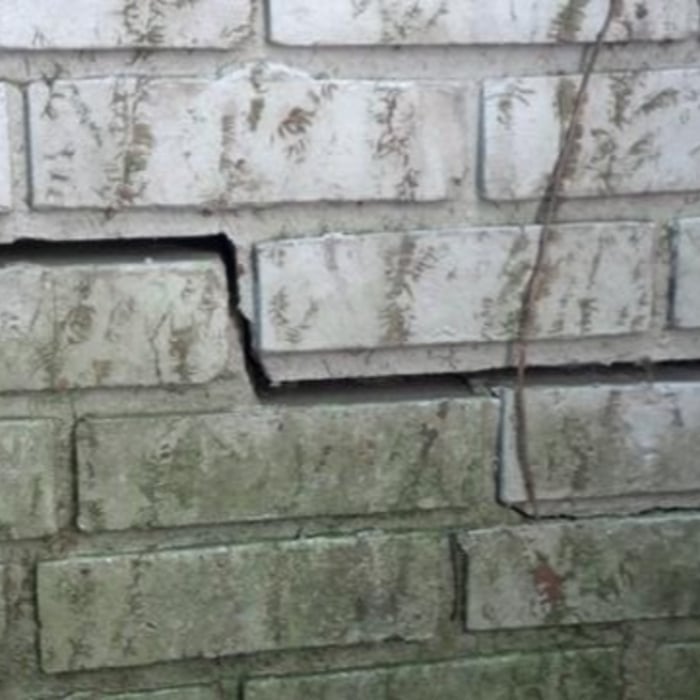
"Joe and Chris at Mount Valley did a phenomenal job getting 6 push piers installed in one day. They were even kind enough to check on two other unrelated foundation issues before leaving. Amazing company, terrific service!"
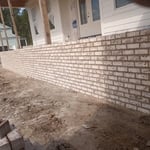
"My project was crawl space renovation. Devante and Mario were hard working and did a very meticulous job on our crawl space renovation. My wife said to tell you these guys deserve a promotion."
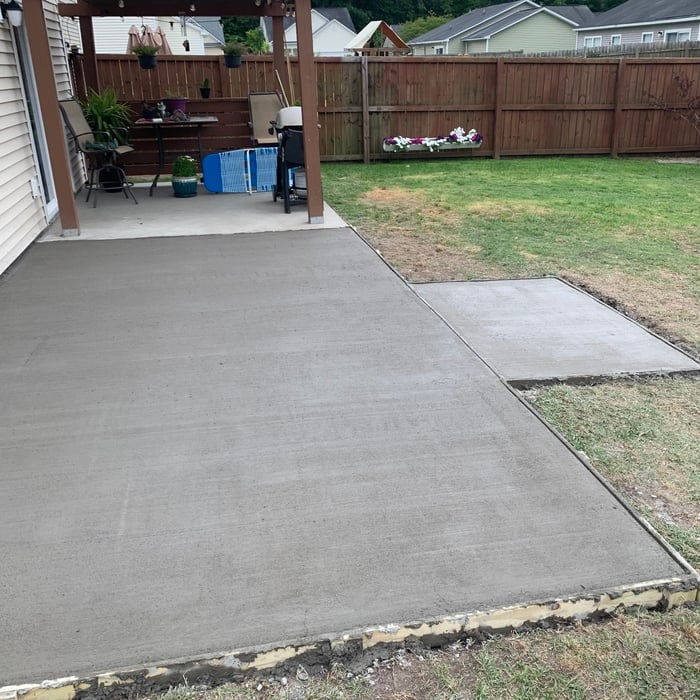
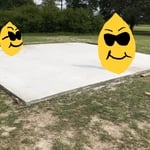
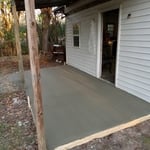
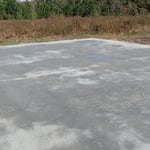
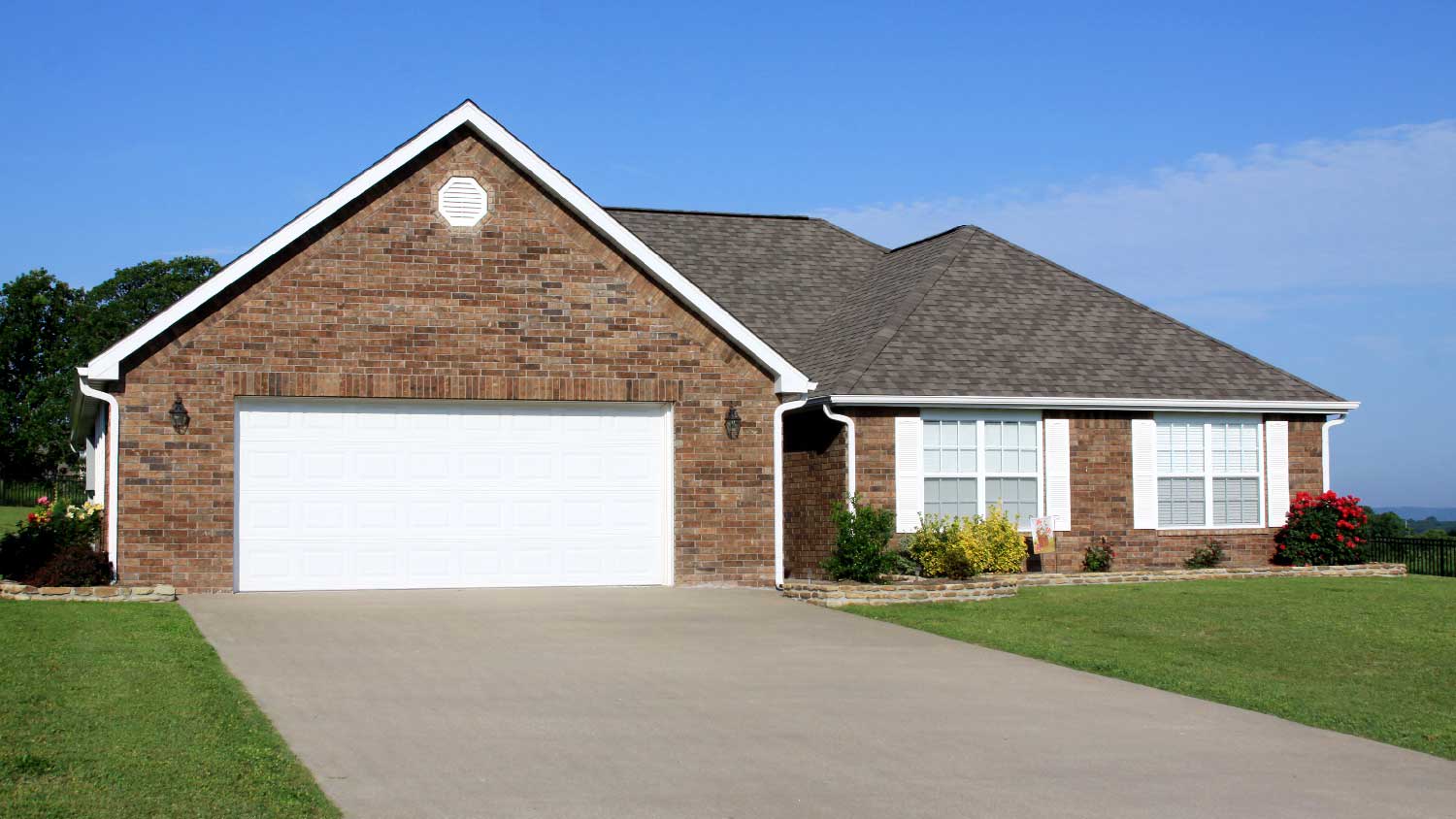
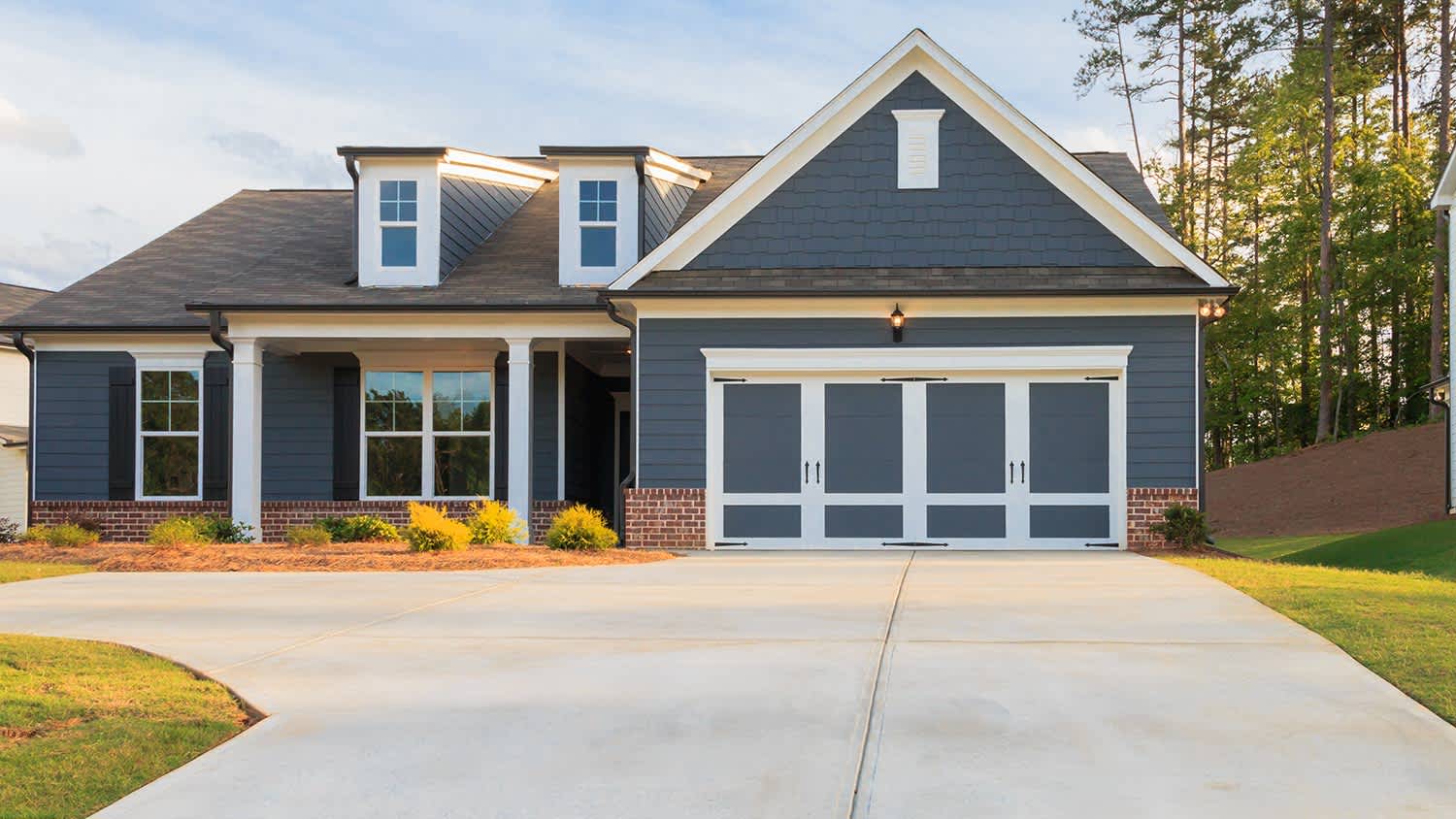
"We are incredibly happy with our new concrete driveway! Quality Masonry was professional, arrived on time, and finished the project exactly when he said he would. He was very respectful of our property and left everything clean and tidy. The driveway looks fantastic and has completely upgraded our home's curb appeal. I would highly recommend him to anyone looking for high-quality concrete work!"
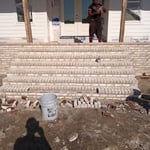
"The quality of the work performed was excellent. I am very pleased with the appearance of the replaced section of my driveway The front steps now look as good as new, as well. The cost exceeded the initial estimate, but I have to give them a pass on that, as there were some real surprises during removal of the old concrete (no grade preparation was done for the original driveway, just concrete poured over uneven ground, so in places it was 4" thick, and in others about 12" thick, making removal very difficult). Carlos Concrete did a good job with leveling the site and placing stone over the ground before pouring, and that should result in a better driveway long-term. My only reservation was a delay in removing the tree roots excavated from the site before pouring the new driveway section. They were professional and friendly."
"They were unable to bring it all the way up to it’s original elevation, but, they tried. They explained to my satisfaction as to why it couldn’t be accomplished. It is definitely a major improvement."
Trenching and boring are two distinct methods for installing underground utilities. Trenching involves digging a channel using equipment like an excavator, trencher, backhoe, or shovel. While it is a simpler process, it causes significant disruption to the surface, landscaping, and surrounding ecosystems.
Boring, also known as directional boring, is a less invasive alternative that uses a drill to create a tunnel for utility lines without disturbing the surface. This method is more precise and is ideal for installations that need to go underneath buildings, roads, or bodies of water. Although boring is less disruptive, it is generally more expensive than trenching.
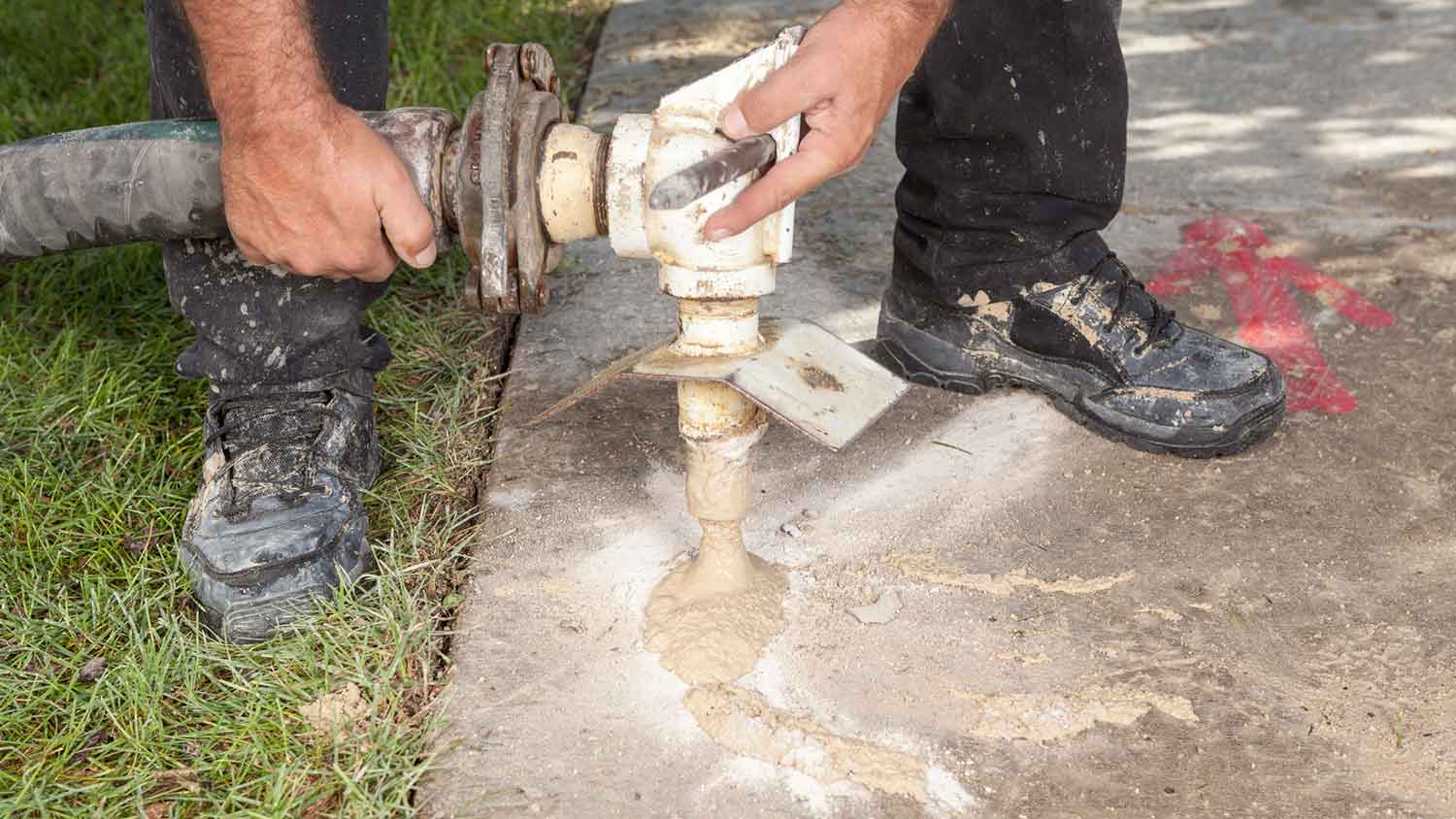
Mudjacking typically takes 24 to 72 hours (one to three days) to dry and cure completely before you can resume normal use. The exact time can vary depending on the size of the project. Because the slurry mixture contains cement, it must fully harden to ensure that added weight from walking, furniture, or vehicles won't shift the concrete slab. A professional contractor can advise you on when the surface is safe to use. For comparison, if you use polyjacking instead, the polyurethane foam can dry in just a few minutes, but it's best to wait about an hour before use.
Most states and municipalities don’t require concrete mudjacking companies to carry a specific license, but they usually need to have a general contractor’s license, and they should be fully insured. The only exception is if the mudjacking company provides foundation repairs as well, or if it offers mudjacking for home foundations. In that case, they will typically need a foundation repair contractor’s license. You can check state requirements and then use Angi’s license lookup tool to confirm that a company is properly licensed to provide mudjacking services in your area.
Mudjacking typically takes 24 to 72 hours (one to three days) to dry and cure completely before you can resume normal use. The total drying time can vary depending on the size of the project. Because the slurry mixture contains cement, it needs to harden fully to prevent the concrete slab from shifting under added weight. You should avoid walking on the concrete or placing heavy items like furniture or vehicles on the surface until it has fully set. Your concrete contractor can provide a precise timeline. As a point of comparison, if you opt for polyjacking, the polyurethane foam can dry in minutes, but it's recommended to wait about an hour before use.
Yes, expanding foam (also known as polyurethane foam) can lift concrete. This approach, called polyjacking, involves injecting the foam rather than concrete slurry to fill voids and raise the concrete slab back into place. It’s often faster and requires smaller drill holes than traditional mudjacking, though it may come at a higher cost. Some contractors also prefer polyjacking over mudjacking for more damaged and delicate slabs.
The Saint George, SC homeowners’ guide to concrete mudjacking services
From average costs to expert advice, get all the answers you need to get your job done.
DIY mudjacking is an advanced task, but learning how to raise a concrete slab is great to know for many scenarios. Let's take a look at how to DIY mudjack.