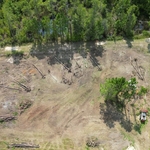
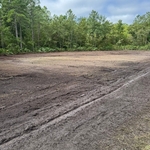
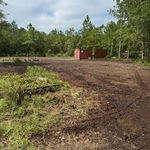
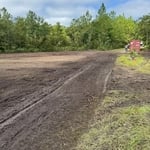
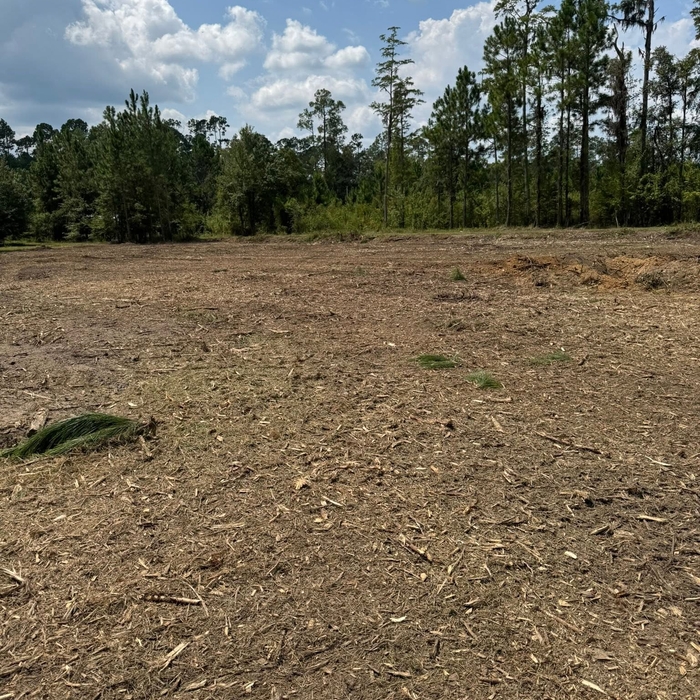
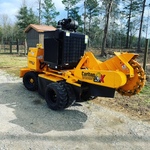
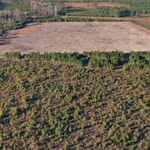
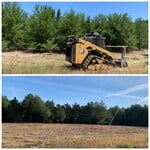
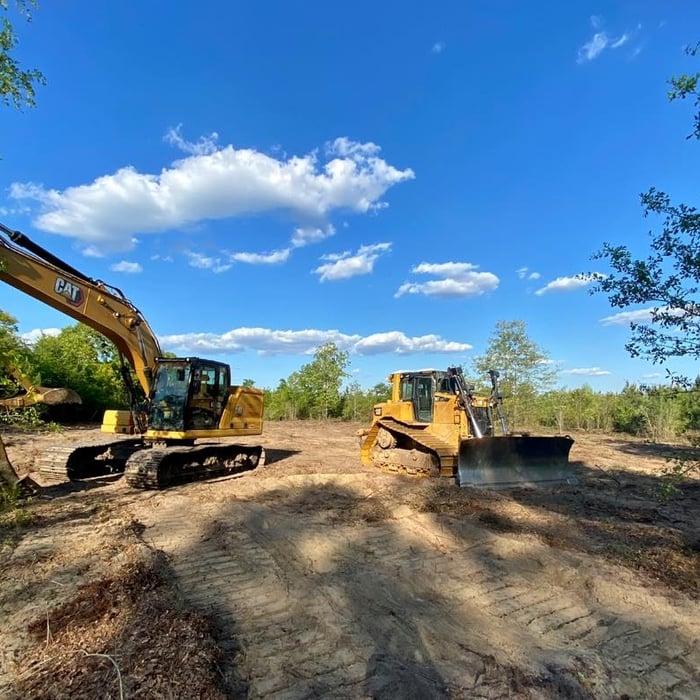
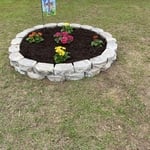
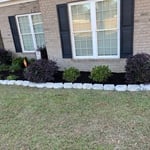
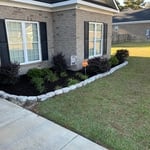
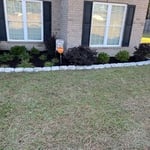
"Kurt was very responsive in replying to my inquiry and was quick to get us on his schedule. He cleared 1 acre of our land efficiently and professionally, I hardly knew they were here, we are very happy with results and will refer and use this company again"
"Company performed multiple jobs: site preps & lands-cap grading & sloping. Excellent customer service, punctual, reasonable cost, provided numerous idea options. Will definitely hire this company again!"
"Awesome job done and super nice people to hire to get a thorough completion. All crew workers were polite and helpful. Clean up was spectacular down to the last twig. I will use them always when needed. I recommend, you do too!"
"Kyle called right away. Scheduled an estimate for following morning. Fair price. Loaded trash articles and left. Very pleased with service. Thank you, job well done."
"I need to get more pictures but these guys did a great job. They flagged it and walked it with me. They helped me clear property line boundaries and created amazing shooting lanes at each stand spot. They arrive early and stay busy working and had machines that didn’t break down or get stuck like others have. I highly recommend these guys! Top notch for sure!"
"Lee was very professional. Provided me with detailed estimate and completed the job in the time we agreed upon. Would definitely do future business with this company."
I am a master operator with over 40 years experience in commercial and residential grading and excavation experience including site prep installation of utilities water sewer and storm drain. I have an extensive knowledge in materials and am highly motivated for excellence in my field.
Concrete blocks are the cheapest way to base a shed. However, the space in between allows critters to go under, burrow, and even damage your shed’s frame. For a more pest-proof option, consider building a shed base with gravel or paver stones. Both options are fairly affordable and easy enough for a DIY project. For gravel, you can build a wooden frame to contain the loose material.
Skunk digging looks like a series of small, cone-shaped holes on a lawn or around the perimeter of a home, porch, deck, or shed. The holes that skunks dig when searching for grubs tend to be no more than four inches in diameter and may be up to four inches deep.
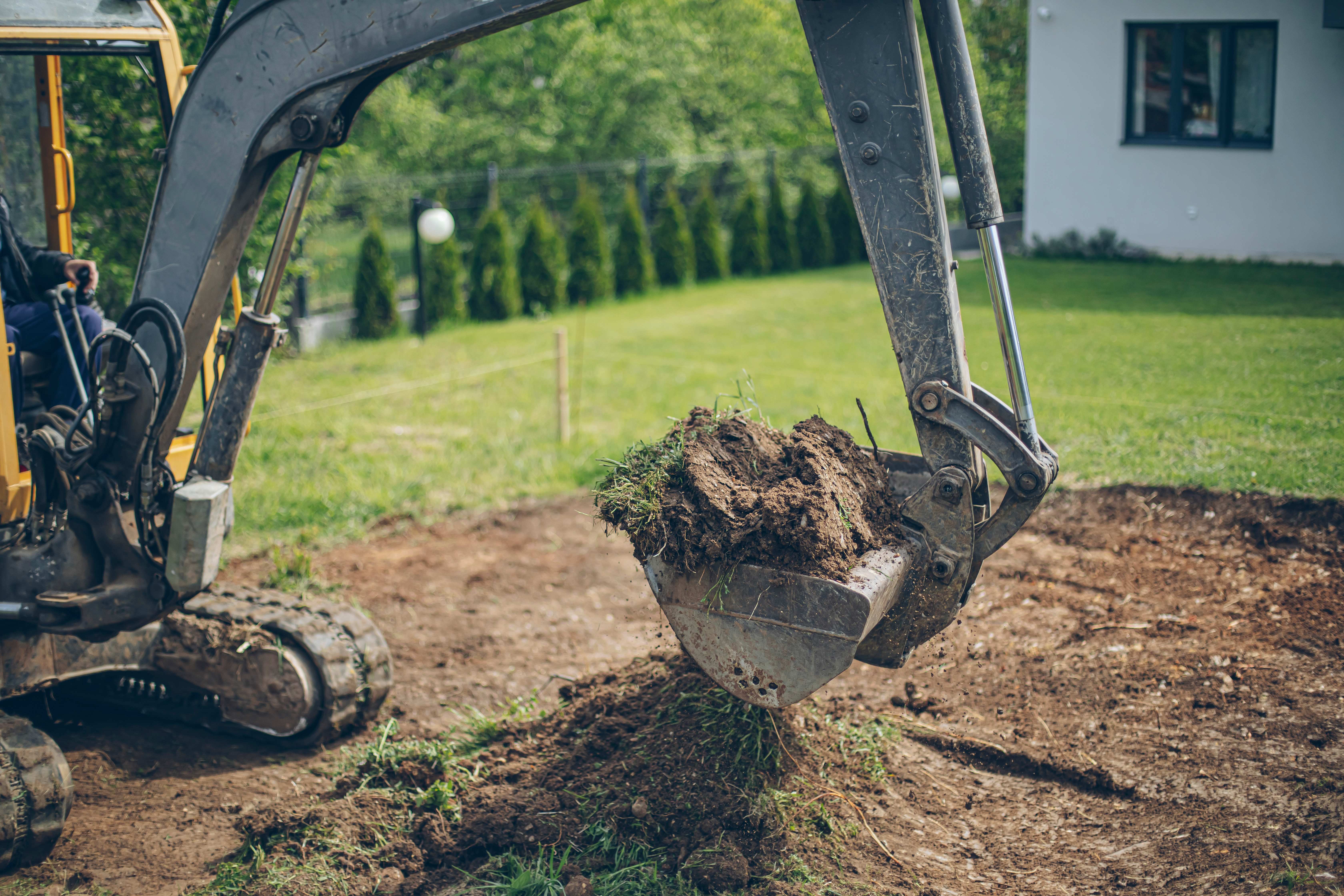
Excavation is priced in cubic yards, so you’ll need to find the volume of the area in order to calculate costs. Multiply the length, width, and proposed depth of your excavation site, then convert it into yards to get the volume. Multiply this figure by the price per cubic yard.
Most homeowners can measure by hand to get a rough estimate, even if it’s tedious. You may want to pull out a tape measure or use a string to help mark the area.
Digging out a basement takes anywhere from a few days to a few months. Most projects take at least two to five weeks, but it could take several months if you encounter obstacles. This project takes longer if you need to brace or raise your home before the excavation. Digging out a basement in new construction can take as little as three days.
Downspouts should be buried at least 5 to 10 feet away from your foundation. This can vary depending on your local building codes, soil type, and property slope. The main goal is to ensure water is directed away from your foundation.
The Saint George, SC homeowners’ guide to excavation services
From average costs to expert advice, get all the answers you need to get your job done.
Excavation costs $1,500 to $6,300 for most residential projects—but it depends on factors like the size of the area. This guide will help you plan a budget.
You can't have an in-ground pool without digging into the ground. How much does pool excavation cost, and can you take it on yourself? Our guide explains.
Picking the right pro can make or break your project. Learn how to hire an excavation pro with the qualifications and skillset to do the job efficiently.