





Top-rated insulation pros.

Get matched with top insulation pros in Port Royal, SC

Enter your zip and get matched with up to 5 pros

Need a pro for your insulation service project in Port Royal, SC?

Select your specific project to find the pro for you.

TRUSTED BY PORT ROYAL, SC HOMEOWNERS

  • Average homeowner rating star icon4.6
    Average homeowner rating
  • Verified reviews icon35
    Verified insulation services reviews

Find Insulation pros in Port Royal

Avatar for Performance Energy
Performance Energy
4.3(
106
)
Blown-In Insulation - Install or UpgradeBatt, Rolled or Reflective Insulation - Install or Upgrade

Serving Port Royal, SC and surrounding areas

Approved

In business since 2010

Free estimates

Credit card accepted

"They had to come back for finish ups. Then they had to come back to blow in additional insulation, wrong amount blown the first time. The installers out a nail through an electric cable and it meant I had to call electric service people to replace IGF in the garage. I also had to have a freezer repaired because of the short. Insulation manager said he would pay for service calls, have yet to see the payment. Believe I will see the cooling and heating savings in the future but the company needs to be more careful overall."
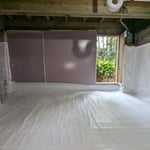
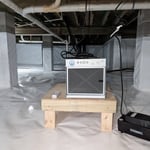
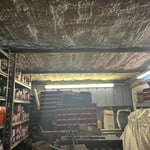
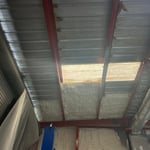
blow in insulaiton
Insulation and sealing
pulling old insulation out

+12

Response time2 days
Response rate88%
72 neighbors recently requested a quote
Showing 1-10 of 22
Insulation questions, answered by experts

The ideal temperature for your garage in the winter is between 40 and 68 degrees Fahrenheit. Maintaining a minimum temperature of at least 40 to 50 degrees is crucial to prevent pipes, liquids, and other items from freezing. Low temperatures can also drain your car battery, so keeping the garage stable is vital for your vehicle. While the lower end of the range protects your belongings, the higher end is based on your personal preference for a comfortable space. If you struggle to keep the temperature from dropping below 40 degrees, consider installing a garage heater.

If you need to insulate behind finished walls, the best option will likely be to have an insulation professional install blown-in insulation. The installation requires small holes cut in your wall, after which the installer can blow loose-fill insulation into the void. After the installation, you’ll have minor drywall patching, which shouldn’t cost more than $100. Compared to ripping down the existing drywall, using a different type of insulation, and replacing and finishing the drywall, this should save you hundreds or even thousands, depending on the size of the room you’re insulating.

The cost to install a radiant barrier ranges from $700 to $2,800, depending on the size of your roof and the type you choose. Most people pay an average of $1,700 to install a radiant barrier. Foil options, both single- and double-sided, cost between $0.10 and $0.90 per square foot, while spray-on options start at $0.60 and go all the way up to $1 per square foot—which can add up quickly.

STC (Sound Transmission Class) is a rating that describes how well a building material or assembly blocks airborne sound. A higher STC rating means less noise will pass through the material, providing better sound reduction. This rating system applies to various building components, including windows, doors, flooring, drywall, and insulation.

For context, a typical single-pane window has an STC rating of around 25 (where normal conversations are audible), while a well-sealed, double-pane window can exceed STC 45 (blocking loud speech and most music). It is important to note that for some products, like soundproofing drywall, the STC rating refers to the entire wall system, not just the individual panel.

Additionally, STC ratings are most effective for measuring sound reduction at mid-to-high frequencies, such as human speech, and may not accurately reflect how well a material blocks low-frequency sounds like bass music or thunder. Because of these factors, it is recommended to consult a professional to determine the right STC-rated materials for your specific soundproofing needs.

Yes, you should insulate your copper pipes to help regulate their temperature. Well-insulated copper pipes will be protected from freezing and can conserve energy by keeping hot water warm for longer. Foam rubber insulation tubes are the best pipe insulation to prevent freezing since they fit tightly around the pipes while still maintaining some flexibility.

The Port Royal, SC homeowners’ guide to insulation services

From average costs to expert advice, get all the answers you need to get your job done.