






Top-rated fire pit installation pros.

Get matched with top fire pit installation pros in Pauline, SC

Enter your zip and get matched with up to 5 pros

Need a pro for your fire pit installation project in Pauline, SC?

Select your specific project to find the pro for you.

TRUSTED BY PAULINE, SC HOMEOWNERS

  • Average homeowner rating star icon4.3
    Average homeowner rating
  • Verified reviews icon96
    Verified fire pit installation services reviews

Find Fire pit installation pros in Pauline

Avatar for Cransten
Cransten
4.5(
181
)
Handyman for Multiple Small Projects

Serving Pauline, SC and surrounding areas

Approved

Super Service Award Winner

In business since 2016

Free estimates

Emergency services offered

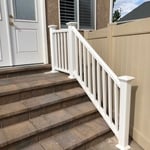
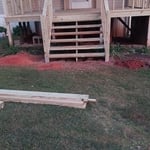
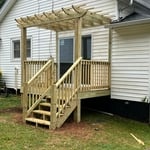
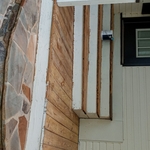
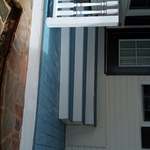
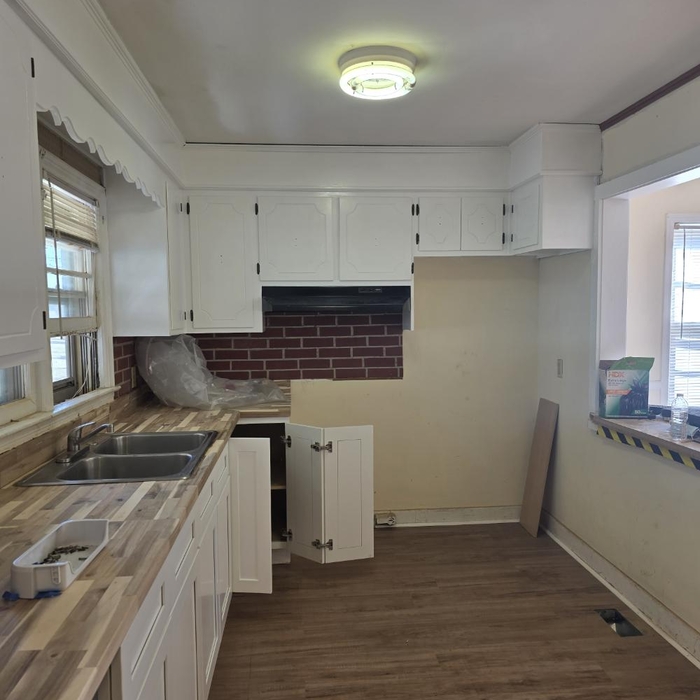
"Hired a professional to install 2 hand rails for my parents. One was installed on the front porch brick steps and one on the back porch brick steps. They arrived on time, installed both handrails quickly and safely. Handrails are sturdy, and now my parents lives are that much safer. Would recommend."

Additional Photos
Additional Photos
Additional Photos
Additional Photos
Additional Photos

+18

Response time1 day
Response rate100%
4 neighbors recently requested a quote

Avatar for JedMerchant
JedMerchant
5.0(
4
)
Handyman for Multiple Small Projects

Serving Pauline, SC and surrounding areas

Approved

In business since 2021

Free estimates

Emergency services offered

"James responded to the request very fast and was able to complete the project in a timely manner. He was very polite and professional. It was a pleasure working with James. We will definitely use his services again."

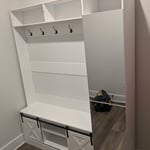
Mud room organizer
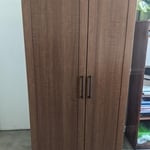
Office cabinet
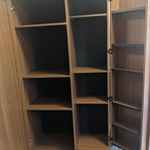
Office cabinet
Office cabinet
Response time10 mins
Response rate100%
...
Showing 1-10 of 107
Fire Pit Installation questions, answered by experts

A grease fire starts if hot cooking oil comes into contact with a heat source, such as an electric heating element or the flame on a gas range. Once the grease is ignited, it can be very difficult to put out. 

Yes, a chimney damper is necessary. It controls airflow in and out of your fireplace, helping to retain heat when closed and allowing smoke to escape when open. Without a damper, your home could lose warmth during cold months, leading to higher energy bills. It also helps prevent downdrafts and keeps animals or debris from entering the chimney. In short, it’s essential for efficiency and safety.

A chimney requires both a cover and a cap, but these parts often get confused with one another. A chimney cover seals the top of the chimney around the flue pipe to prevent water from entering the chimney. A chimney cap is a piece that sits above the flue to prevent animals, debris, and water from entering the flue.

In most cases, having a fire hydrant installed on your property, whether it’s maintained by you personally or your municipality, will reduce your insurance premiums. Its proximity to any buildings on the property will reduce the time it takes to put out a fire, thus reducing the resulting damage.

Yes, you should seal and cap an unused chimney to protect it from damage. Sealing the structure helps prevent moisture damage, which can lead to issues like cracks, spalling, efflorescence, and damaged mortar joints. Capping the chimney is also crucial to prevent blockages, damage from invasive critters, and downdrafts, while still allowing for proper air ventilation to manage moisture. For the best results, consult a chimney professional to select the right type of chimney or flue cap for your home. It's also wise to continue with annual chimney inspections to maintain the structure's integrity.

The Pauline, SC homeowners’ guide to fire pit installation services

From average costs to expert advice, get all the answers you need to get your job done.