








Top-rated deck maintenance specialists.

Get matched with top deck maintenance specialists in Lyman, SC

Enter your zip and get matched with up to 5 pros

Need a pro for your deck maintenance project in Lyman, SC?

Select your specific project to find the pro for you.

TRUSTED BY LYMAN, SC HOMEOWNERS

  • Average homeowner rating star icon4.6
    Average homeowner rating
  • Verified reviews icon49
    Verified deck maintenance services reviews
Deck Maintenance questions, answered by experts

Building a deck isn't too hard if you’re handy with carpentry, have the necessary tools, and are willing to put effort into it. However, other factors, such as plans, permits, and design, can be hard if you don’t have experience in those areas.

Note: You’ll need another person to help you build the deck (especially for framing and setting the beams). Building a deck yourself will be very difficult if you don’t have an extra set of hands to help.

Before installing a deck, you must build a base for the deck to rest upon, often made of compacted soil or gravel. While gravel is an optional material, it helps with drainage. Some contractors also recommend installing a weed control membrane, which helps provide a solid foundation for the frame. In the case of an elevated deck, a pro will often lay down a concrete slab as a foundation. 

The life expectancy of deck boards varies widely based on the material, climate, and maintenance. Untreated wood boards typically last 10 to 30 years with proper care, while pressure-treated boards can last up to 50 years. Hardwoods generally outlast softwoods. Composite boards also tend to last longer than natural wood. Environmental factors like arid or humid climates can shorten a deck's lifespan. To extend the life of wood decking, it's important to consistently clean and seal it to protect against moisture, UV light, and insects.

In most cases, your deck will need some form of deck footing to hold it in place, preventing moisture from rotting your wood and decreasing your deck’s lifespan. Concrete deck blocks are the most common type of footing for floating decks. Some homeowners use ground-level deck footings. For added security, consider digging and laying your ground-level footings below ground.

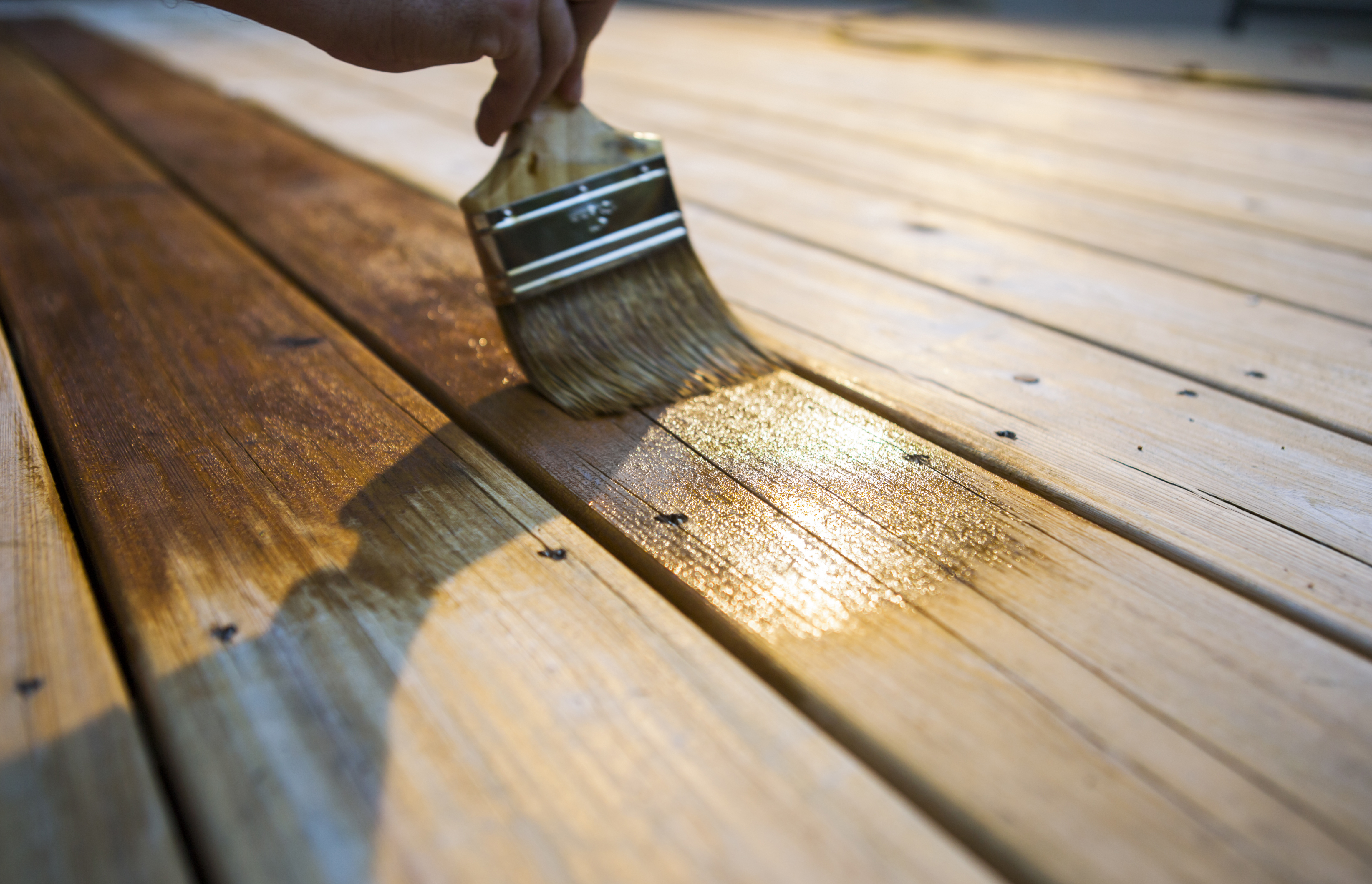
Ultimately, overapplication of stain can compromise the deck's appearance, durability, and longevity. It may result in an uneven finish, with excess stain pooling, dripping, or drying into thick patches. It can also obscure the wood's natural grain and texture, detracting from the desired aesthetic. Moreover, excessive staining may not fully penetrate the wood, leading to poor adhesion and premature wear. Additionally, thick layers of stain are prone to peeling, cracking, and blistering as they struggle to bond with the surface.