





Top-rated deck staining pros.

Get matched with top deck staining pros in Little Rock, SC

Enter your zip and get matched with up to 5 pros

Need a pro for your deck staining project in Little Rock, SC?

Select your specific project to find the pro for you.

Find Deck staining pros in Little Rock

Avatar for Mike's Painting & Pressure Washing
Mike's Painting & Pressure Washing
4.7(
28
)
Exterior Home or Structure - Paint or StainExterior Home or Structure - Paint or Stain: LargeExterior Home or Structure - Paint or Stain: Medium

Serving Little Rock, SC and surrounding areas

In business since 1996

Emergency services offered

Credit card accepted

"I would highly recommend this business.  We had them come and restain the deck and at first just powerwash the house.  They scheduled the work right away.  After doing the pressure washing, there were some areas with paint chips under the soffit.  Mike offered to repaint those for free.  During this, they noticed areas of the soffit that were rotten, so we had them repair those areas of the wood.  They also fixed a few screens that were damaged during the pressure washing for free.  
Everything turned out great, and we are very happy we had this work done.  Mike and Crystal are very professional and easy to work with.  I will be having them do some more work on our house in the near future.
"

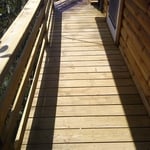
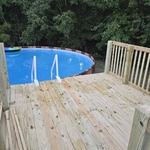
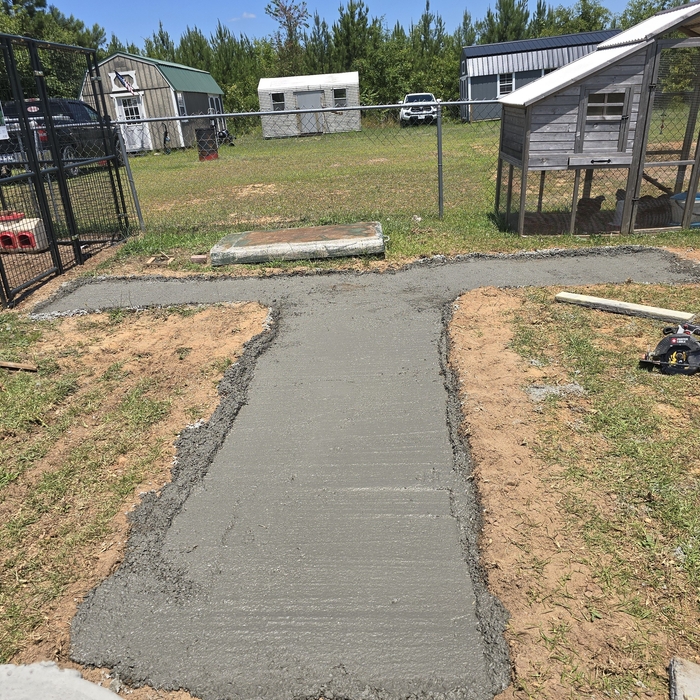
Additional Photos
Additional Photos
Additional Photos
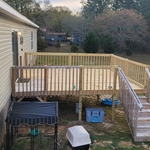
Additional Photos
Additional Photos

+161

Recommended by91%of homeowners

Showing 1-10 of 30
Deck Staining questions, answered by experts

The longevity of paint on wood depends on factors like the quality of the paint, surface preparation, exposure to elements, and maintenance. Exterior paint on wood surfaces can last 5 to 15 years or more with proper care and maintenance. Interior paint tends to have a longer life span, often 10 years or more. Regular cleaning, touch-ups, and addressing any issues like peeling or cracking can extend the life of the paint. 

Staining or sealing a cedar deck or fence is highly recommended to extend its lifespan and protect it from the elements. While cedar is naturally resistant to mold and mildew, it is not impervious to damage from moisture, sun exposure, splintering, fading, and rot over time. Applying a protective finish creates a shield that preserves the wood's strength and appearance, potentially extending its life by five to 10 years.

When choosing a finish, it's helpful to understand the difference between a sealer and a stain. A sealer sits on top of the wood, whereas a combination stain and sealer soaks into the top layer. Because it penetrates the wood, a stain generally offers better protection against UV damage and rot and lasts significantly longer. For the best results that also preserve the wood's natural color, consider using a near-translucent stain.
To maintain protection, plan on reapplying the stain or sealer every two to three years, either as a DIY project or by hiring a professional.

Satin paint is generally considered a better choice for woodwork—including trim, baseboards, cabinets, and doors—than flatter finishes like eggshell or matte. Its soft sheen enhances architectural details and stands up well to frequent cleaning and daily wear. Compared to eggshell and matte finishes, satin is more durable for high-touch areas because it is less porous and doesn't absorb dirt as easily. Matte finishes, in particular, are prone to scuffs and are harder to clean, making them less practical for surfaces like doors and cabinets.

Yes, you can and should paint or stain pressure-treated wood to help prevent the boards from cracking. However, you must wait for the wood to dry out completely before applying any finish. Freshly treated wood can take weeks or even months to dry; a common recommendation is to wait three to six months. To check if the wood is ready, perform a simple water test: drip some water onto the surface. If the water beads up, the wood is still too wet and needs more time to dry. If the wood absorbs the water, it is dry enough to be painted or stained. You can proceed with building your deck or fence while the wood is still wet, but you will need to wait to apply the paint or stain.

Wood stain is typically dry to the touch within 6 to 12 hours, but it is not fully cured at this point. You should wait at least 24 hours before applying a second coat or a protective finish. For surfaces like decks, avoid walking on them for at least 24 to 48 hours, and wait even longer before placing furniture. The full curing process can take from 24 hours to one week, depending on the type of stain. Factors like high humidity and cold temperatures can extend drying and curing times, so it's wise to allow for extra time in these conditions.

The Little Rock, SC homeowners’ guide to deck staining services

From average costs to expert advice, get all the answers you need to get your job done.