Groundworks is the North America's leading and fastest-growing foundation repair and water management solutions provider. Groundworks is a vertically integrated company with its own manufacturing operations and a world-class software solution, allowing us to serve our customers more effectively. From the first phone call to the annual maintenance offered, our customers have peace of mind knowing we're there with one mission to repair, protect and improve their home. For state licenses visit Groundworks.com/licensing
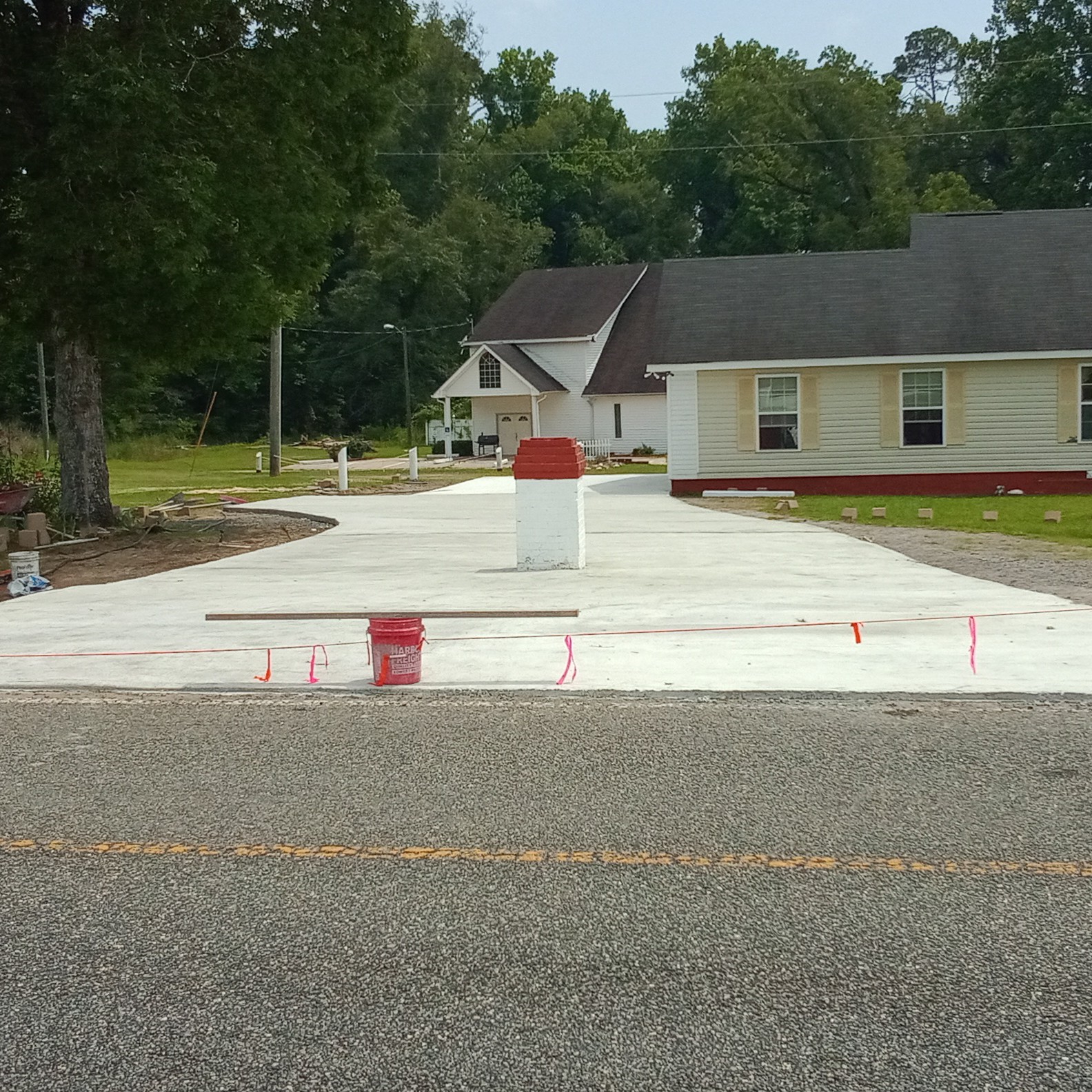
"It went very well. Boucon USA removed my original driveway, hauled off all of the spoils and poured my new driveway all in one day. Very professional and clean. I would be willing to hire them again for any concrete needs."
"They didn't end up doing the work. They were really high on what they wanted to do. Other people who looked at the porch said that it was not causing an issue with any water intrusion and that there doesn't seem to be any signs on the posts that this could have been recent, it could have been long ago. So no work was done. It was a front porch that had just the level concrete on one side was dipping just a little bit. I think they were going to pump it up from underneath or something like that to level it out. I would say that their response time and their professionalism of getting the quote to us on a timely manner was good. The quote was high and yet the work was not necessary according to other quotes. They should be honest to say when repairs are necessary and when they are not. The guy who showed up was nice and professional and was on time. There was a decent response time."
Family owned business with over 38 years of experience handling all your Concrete, pouring, repairs, sidewalks, driveways, patios, Residential and Commercial.
Calvin Johnson Masonry is South Carolina's premier flat work and concrete specialist. Our cleanliness, timeliness, and professionalism separate us from our competition. Call today for an estimate.
our company can save you money on leaking metal roofs-----any roofs no one else can fix call us\n walls leaking call us----yes we are bonded and insured-
Concrete Mudjacking questions, answered by experts
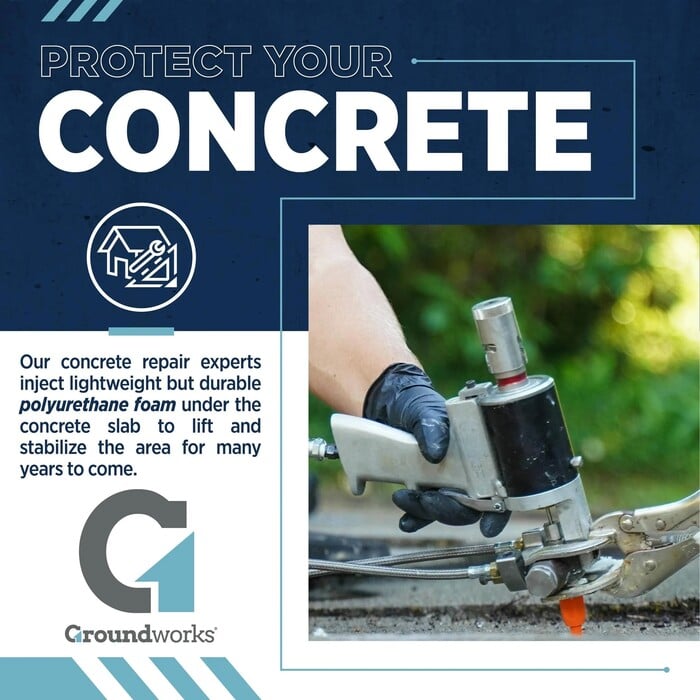
Yes, expanding foam (also known as polyurethane foam) can lift concrete. This approach, called polyjacking, involves injecting the foam rather than concrete slurry to fill voids and raise the concrete slab back into place. It’s often faster and requires smaller drill holes than traditional mudjacking, though it may come at a higher cost. Some contractors also prefer polyjacking over mudjacking for more damaged and delicate slabs.
Mudjacking typically takes 24 to 72 hours (one to three days) to dry and cure completely before you can resume normal use. The exact time can vary depending on the size of the project. Because the slurry mixture contains cement, it must fully harden to ensure that added weight from walking, furniture, or vehicles won't shift the concrete slab. A professional contractor can advise you on when the surface is safe to use. For comparison, if you use polyjacking instead, the polyurethane foam can dry in just a few minutes, but it's best to wait about an hour before use.
The average cost for mudjacking is around $1,200, though prices can range from $300 to $3,400. On a per-square-foot basis, you can expect to pay between $3 and $8, with an average of about $5 per square foot. The final cost depends on several factors, including the square footage of the concrete, the type of slab, its accessibility, whether it is load-bearing, and the type of material used to lift it. Generally, lifting a driveway, small patio, or sidewalk is less expensive than lifting a slab foundation or garage floor.
Polyjacking can be a permanent solution to sunken concrete if you also address the underlying issue—like poor drainage—at the same time. The polyurethane material itself can last as long as or even outlast the concrete you’re lifting it with. Your sunken concrete issue will likely return if you don’t couple polyjacking with proper drainage to prevent future soil movement and sinking.
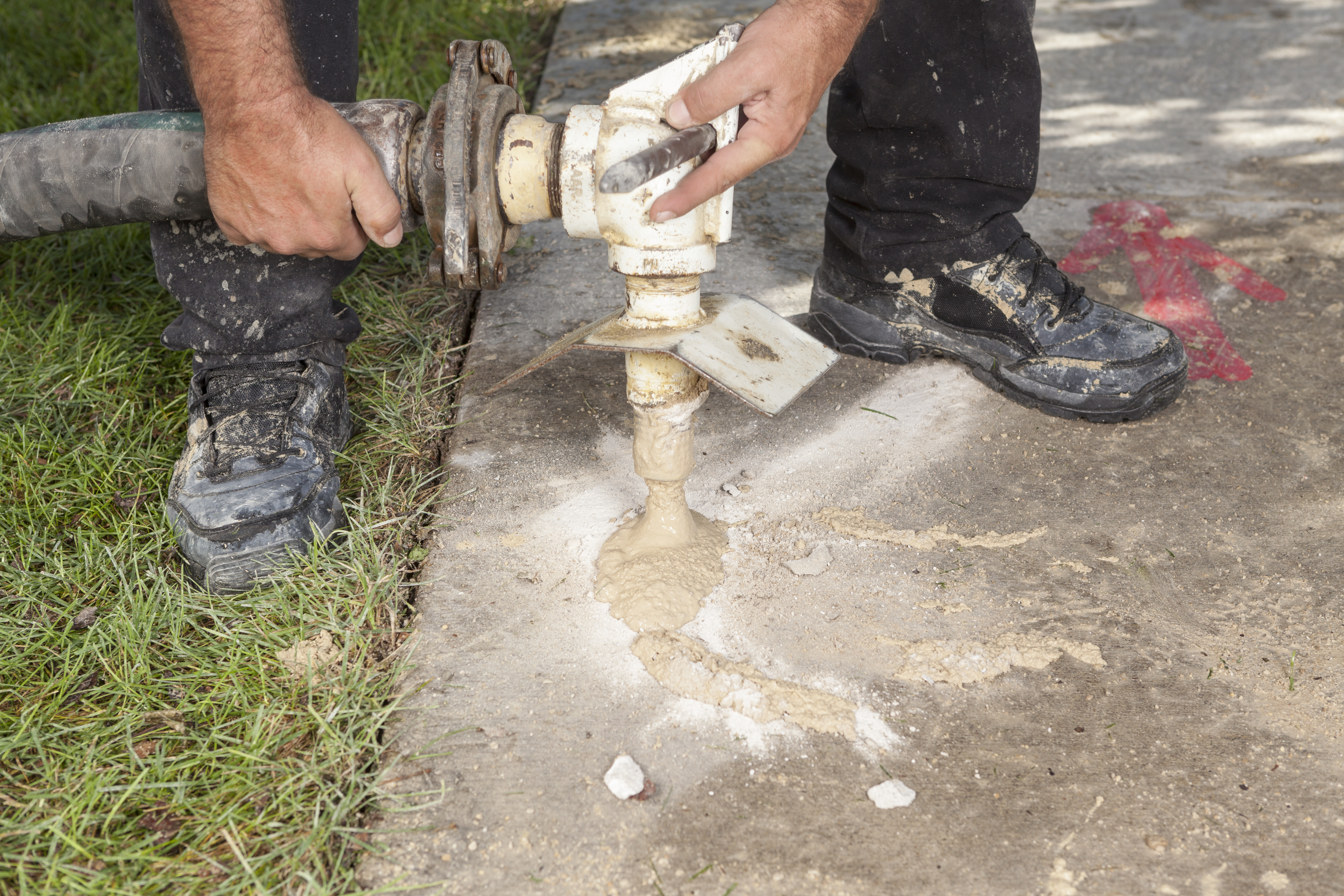
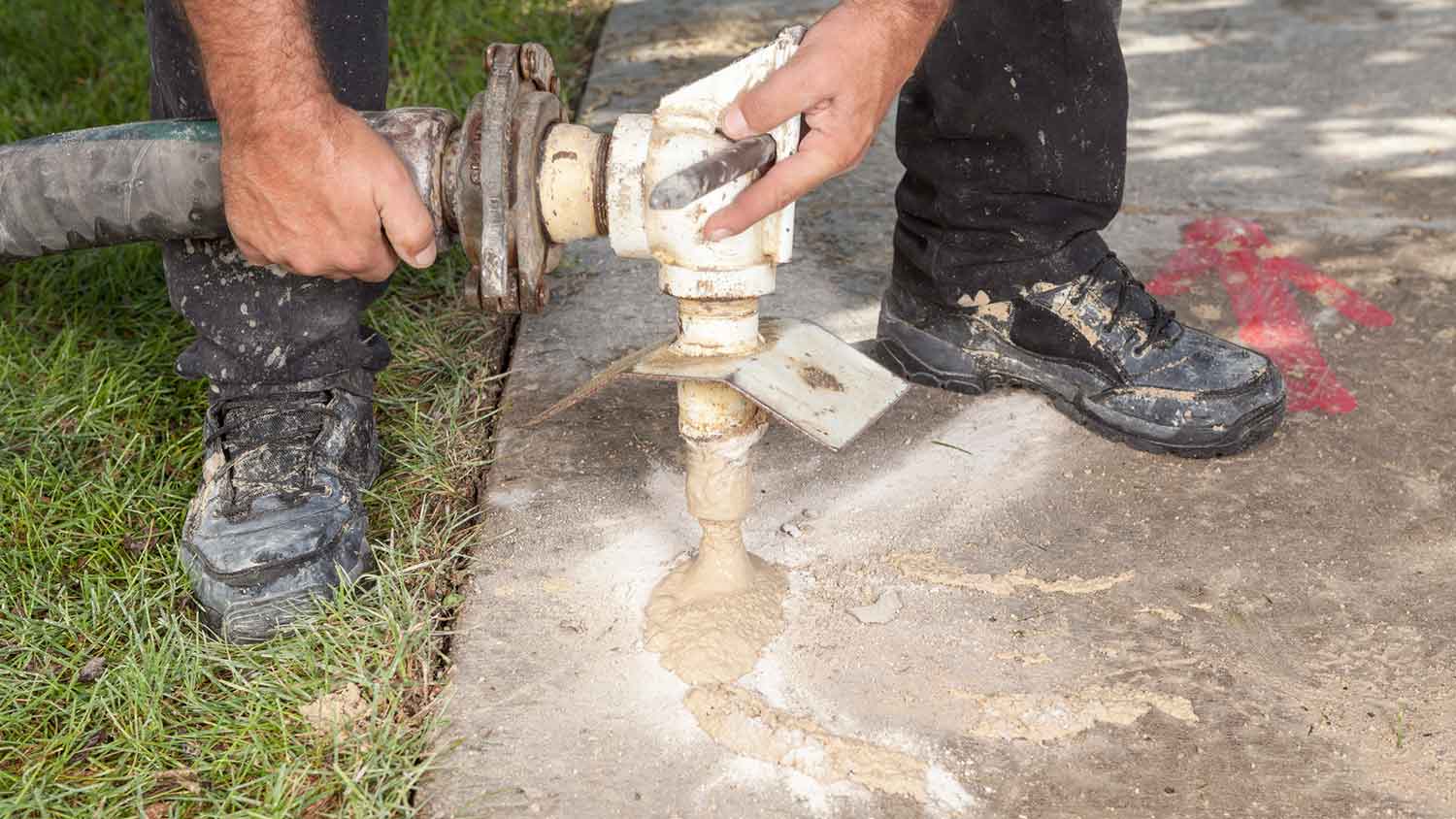
A slurry of cement, sand, and water is injected beneath the concrete to lift and stabilize it.
The Hampton, SC homeowners’ guide to concrete mudjacking services
From average costs to expert advice, get all the answers you need to get your job done.
DIY mudjacking is an advanced task, but learning how to raise a concrete slab is great to know for many scenarios. Let's take a look at how to DIY mudjack.