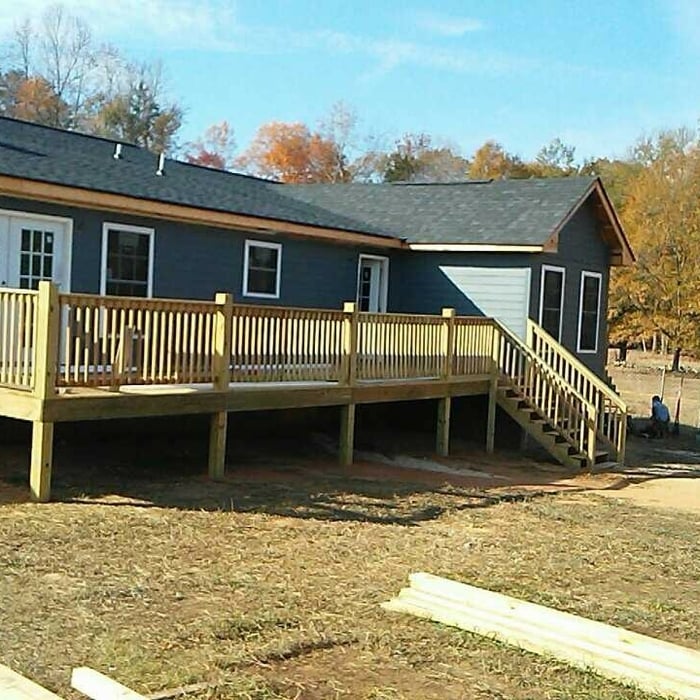








Yes, it is generally safe to have a fire pit on a deck, but you must adhere to building codes and take several safety precautions. For both built-in and freestanding models, you must use a heat-resistant barrier, such as a fire pit pad or heat shield, between the pit and the deck. Additionally, consider the weight of the fire pit and ensure your deck can structurally support it, reinforcing it if necessary. The fire pit must also be positioned a safe distance from your house, particularly from materials like vinyl siding, to prevent heat damage.
The time to build a vinyl deck varies based on factors like size, the complexity of the design, and weather conditions. Generally, a straightforward project might take a few days to a couple of weeks for preparation, installation, and any necessary inspections. However, larger or more intricate designs may extend the timeline. Timely acquisition of permits, efficient planning, and coordination with contractors will all help to make the construction process as smooth and quick as possible.
Building a deck is often worth the investment, not only because it provides more utility to your yard and gives you more space to entertain but also because decks tend to add value to your home. Keep in mind that second-story decks often require concrete footings, which means they will bump up your property taxes, while decks built on the first story generally don’t require a permanent foundation and won’t affect your taxes. Even with the tax increase, decks are usually a good investment in the long run.
Both a well-constructed deck and a patio can add value to your home. Patios are generally cheaper to build but don’t offer the same aesthetics as a quality deck. Therefore, decks can be more appealing to buyers than patios, increasing a home's resale value.
The proper and most comfortable height for a deck stair riser, also called a step, is between four and seven inches. A height of seven inches is often considered ideal for a strain-free step that minimizes the risk of trips and falls. While it is possible to have risers up to 12 inches, this height can be challenging for children, pets, or individuals with mobility issues. For optimal safety and comfort, pair a seven-inch riser with a tread depth (or run) of at least 10 to 12 inches. Always check your local building codes, as they may have specific requirements that differ from these general recommendations.
The Gresham, SC homeowners’ guide to deck maintenance services
From average costs to expert advice, get all the answers you need to get your job done.
Discover steel deck framing costs, including material, labor, and installation factors. Learn how to budget and choose the best option for your home project.
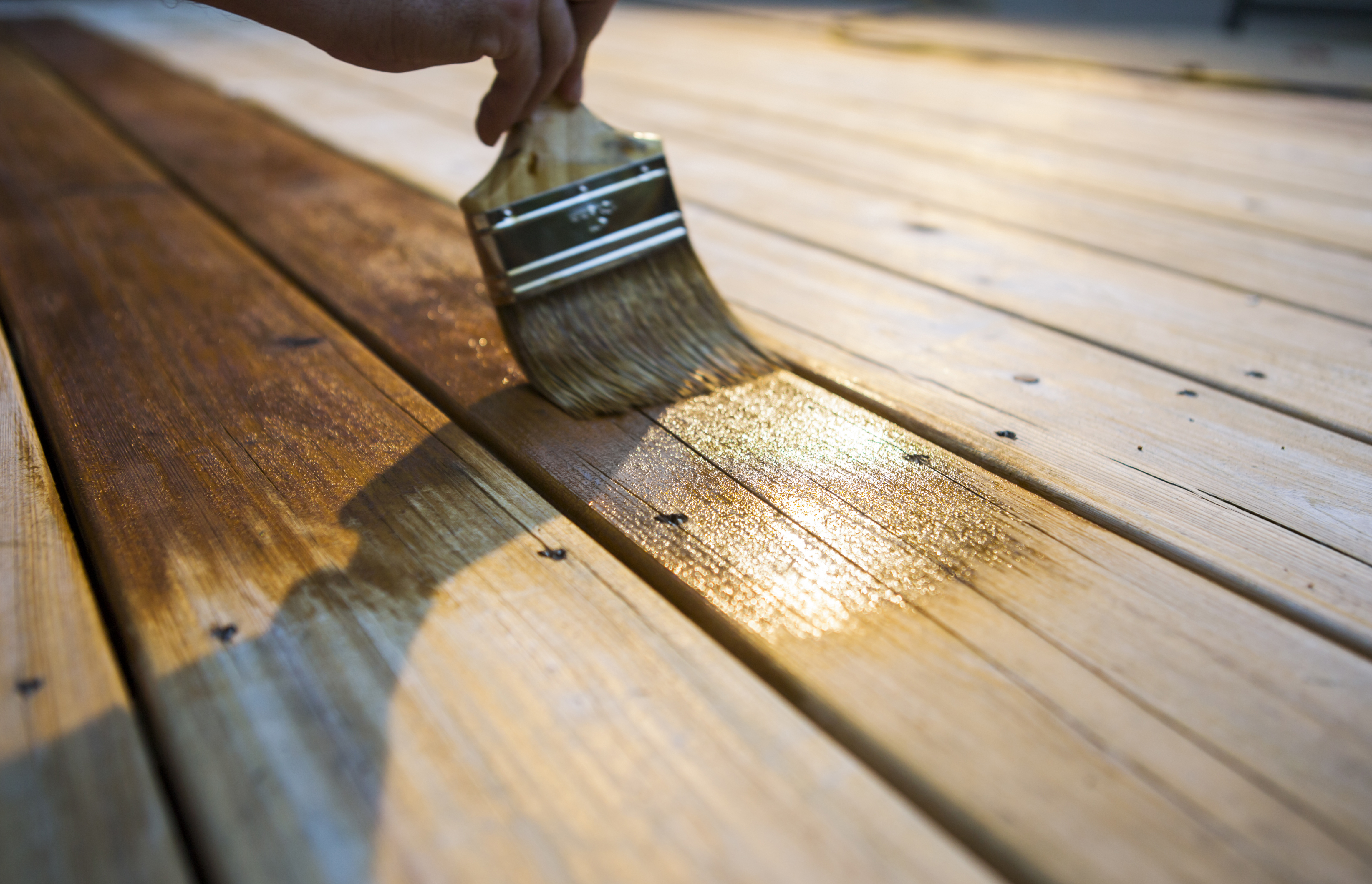
Deck maintenance is vital to protecting a wooden deck. Cleaning, staining and sealing a deck after pressure washing will add years to its lifespan. Protect a deck by following these deck maintenance tips for cedar and other types of wood materials.