







Top-rated carpenters.

Get matched with top carpenters in Graniteville, SC

Enter your zip and get matched with up to 5 pros

Need a pro for your carpentry project in Graniteville, SC?

Select your specific project to find the pro for you.

TRUSTED BY GRANITEVILLE, SC HOMEOWNERS

  • Average homeowner rating star icon4.7
    Average homeowner rating
  • Verified reviews icon42
    Verified carpentry services reviews

Find Carpenters in Graniteville

Avatar for Home Genius Exteriors
Home Genius Exteriors
4.9(
390
)
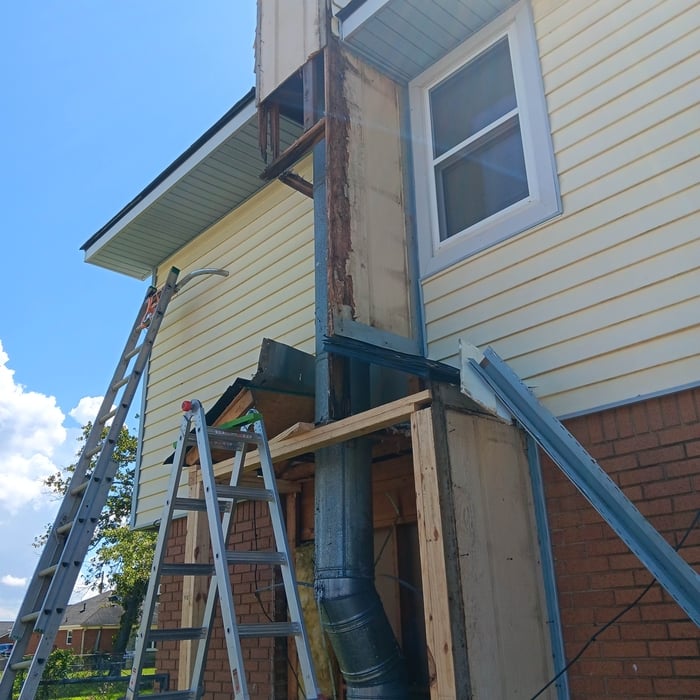
Exterior Shutters - Repair or Restore

Serving Graniteville, SC and surrounding areas

Approved

In business since 2004

Free estimates

Emergency services offered

"We actually hired them for several projects: Roofing, Siding,, windows and doors, gutters, trim etc. each project team was highly skilled for the project and work was completed correctly the first time. Great service from sales, project management and all the departments to get the project completed on time. Communication was excellent. Happy customer with a now beautiful home."
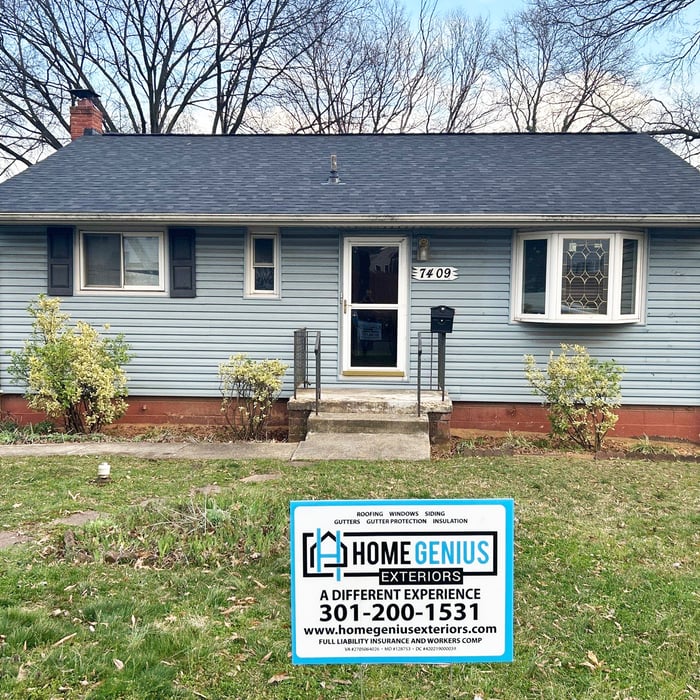
Asphalt Roofing
Asphalt Roofing
Asphalt Roofing
Asphalt Roofing
Asphalt Roofing

+5

784 neighbors recently requested a quote

Recommended by96%of homeowners
Avatar for Sentri Homes
Sentri Homes
2.9(
47
)
Carpentry Framing - Install

Serving Graniteville, SC and surrounding areas

Approved

In business since 2023

Free estimates

Emergency services offered

"Found Sentri on Angi. Jeanette and Violet were very pleasant and efficient in getting a contractor to me in the time frame needed. The contractor was excellent and the roof looks great! I would definitely work with them again if I had additional projects."
20 neighbors recently requested a quote
...
Showing 1-10 of 164
Carpentry questions, answered by experts

Converting a carport into a garage can vary in difficulty depending on its configuration, the condition of the foundation or slab, and its location relative to the house. The process has a lot in common with a home addition, but you can often skip non-essential finishes like fine flooring, trim work, or even drywall and HVAC. The conversion requires experience with drywall, insulation, and other building materials to ensure it’s done safely and correctly. While it might be possible for a DIYer with the proper tools and skills to do the work, it is a complicated and potentially dangerous job. If you’re new to basic construction, it's best to leave this project to the professionals.

When deciding whether to use nails or screws for framing, the specific needs of the project must be taken into account. Nails have long been the go-to option for framing due to their affordability, ease of installation, and ability to withstand shear forces. They are perfect for structural framing projects where fast assembly is essential. In contrast, screws offer exceptional holding power and are particularly useful in situations requiring increased strength and resistance to pull-out forces. For projects that prioritize accuracy and long-lasting quality, screws may be the preferred option, though nails remain a dependable and efficient choice.

Learning how to frame a house includes picking the right lumber for the job. Most people will want to pick pine, spruce, or fir for the framing. These types of lumber are affordable and produce sturdy framing for structures. Look for kiln-dried lumber to reduce the risk of shrinkage or insect damage after installation. As part of what’s included in framing a house when you hire a professional, the contractor should order the lumber, so you don’t have to worry about finding the right lumber.

The best way to calculate framing costs is by basing your costs on the square footage of your home. On average, framing your home could cost anywhere between $7 and $16 per square foot. 

To ensure you don’t go over budget, base your estimates on the higher end of the price range. If you know you’re going to use high-end materials or require a custom or complex build, you might even want to tack on an additional 5% of your budget.

Your local building code will list all the framing requirements for whatever type of structure you're building. Most exterior walls require spacing of 16 inches on-center, while many non-load-bearing interior walls only require 24 inches of spacing. However, there are also varying requirements depending on your construction material, so checking your municipality's rules is essential.

The Graniteville, SC homeowners’ guide to carpentry services

From average costs to expert advice, get all the answers you need to get your job done.