





Top-rated generator install pros.

Best generator install pros near Gloverville, SC

Enter your zip and get matched with up to 5 pros

Need a pro for your generator install project in Gloverville, SC?

Select your specific project to find the pro for you.

Top-Rated Generator install pros in Gloverville - Updated Nov 2026

Avatar for CSRA Professional Electrical, LLC
CSRA Professional Electrical, LLC
5.0(
15
)
Fixed Generator - Install

Serving Gloverville, SC and surrounding areas

In business since 2019

Warranties offered

Small jobs welcome

"These fellows worked well together and did great work for us on a couple of occasions, and we had them come back and install a complete new service into the house which gives me peace of mind, since the original service had some age on it. I highly recommend them!"
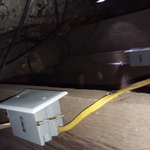
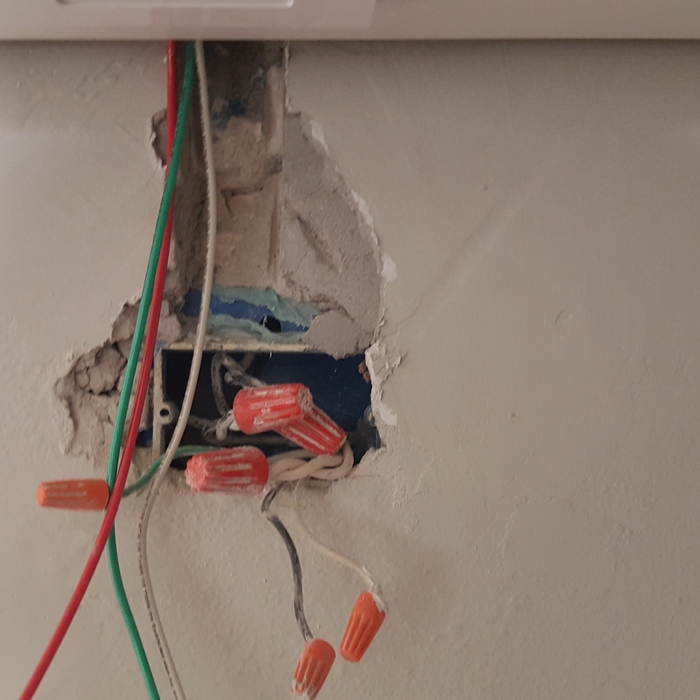
Breakfast chandelier
Simple fix
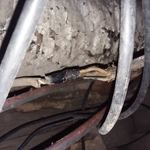
A tight spot
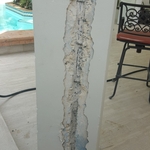
The whole problem
Response time5 days
Recommended by100%of homeowners
Showing 1-10 of 21
Generator Install FAQs, answered by experts

Here’s what you can run with different wattages and types of generators:

Portable generator:

  • 2,000 watts can handle a large appliance like a freezer or refrigerator, plus a few smaller items like phones or computer chargers. 

  • 4,000 watts will keep two large appliances operating and a few smaller devices.

  • 8,000 watts should power most essential appliances and other devices, including a sump pump, well pump, or your dishwasher.

Partial to whole-house generator:

  • 20,000 watts and above will make it seem like your home’s power is still on.

Costs depend on generator type, labor, and additional wiring or transfer switch requirements.

Sizing a generator is a careful process that requires calculating the electrical load of your entire house. You have to take into account every device you want to use and their wattage requirements, plus the wattage needed to start them, and look for a generator that can safely run all that at around 80% capacity.

In more practical terms, a small home can run on a 10,000-watt generator (and if you only want to power a few key appliances, much less than that). A mid-sized home may need something between 15,000 and 22,000 watts. Larger homes require 25,000 watts or more. 

Generators are safe to use as long as they are installed and operated correctly according to the manufacturer's recommendations. The most critical safety tips are to never use a portable or fuel-powered generator inside an enclosed space due to the risk of lethal carbon monoxide poisoning; always operate it outdoors where fumes can dissipate away from your home. Additionally, never attempt to connect a generator to your home’s electrical panel yourself—hire a professional to ensure the setup meets safety standards. Finally, avoid overloading the generator by not connecting more appliances than it is rated for, as this can damage your equipment or cause a fire.

A 10,000-watt generator can run a small to mid-sized central AC unit (typically up to 3 tons or 36,000 BTU) along with a few other appliances. However, larger AC units or additional loads will require a bigger generator. Consult a local generator installer to ensure you add the correct size generator to your home.

The Gloverville, SC homeowners’ guide to generator installs

From average costs to expert advice, get all the answers you need to get your job done.