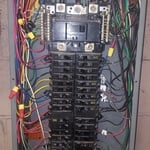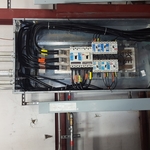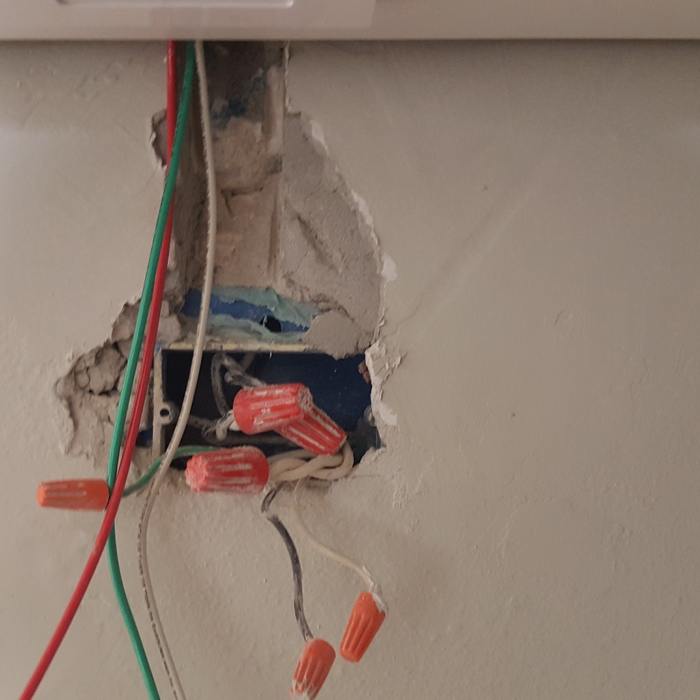






"Roger was an absolute pleasure to work with. He came through for me on short notice. He is very knowledgeable, and the work was done promptly, professionally and at a fair price. Won't hesitate to call him again for future work!!!"
"Jackson and Palmetto Electric were quick to address my needs and went above and beyond the scope of the project to help me complete the electrical work and get our TV up on the wall! Thank you!"
"Top notch electrical service from a local,long standing professional. We hired Bonham Electric to upgrade ,and extend our service Nick,and his team made sure my shop stayed in production,with no interruption in service. Couldn't have asked for a better experience, thanks guys ,yall saved the day!"
"The job went great! They were professional, easy to work, understanding, finish the job in 2days and I’m beyond impressed with their work. I’m looking forward to doing more business with this company!!!"
"Cagen Electric was very professional, reliable, and trustworthy. Job was completed in a timely manner. Spencer explained thoroughly what was needed and the best product for our home. Also had Cagen Electric install spots. Highly recommend this company."
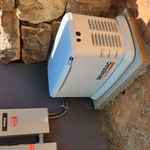
"ref. item, the price is high but the product and process is not a usual one. Purchasing and installing whole house electric generator for emergencies."
We offer over 30 years of experience in the electrical industry. We take on a wide range of electrical projects to include full installation for additions and remodels as well as wiring and panel upgrades and a variety of other jobs. We're committed to providing a personalized service for each individual project we take on & look forward to building strong, long-term relationships with our clients and guarantee your satisfaction.
No, you should never plug a generator directly into a wall outlet in your house. This practice is extremely dangerous, often illegal, and can cause "back-feeding," where power from the generator flows back into utility lines, creating a life-threatening hazard for utility workers. It can also damage your home's electrical system, including appliances like pumps and HVAC fans. If the main power is restored while the generator is connected, it can destroy the generator and cause an electrical fire. To safely connect a generator, you must use a professionally installed transfer switch or an interlocking kit, which prevents back-feeding by disconnecting your home from the utility grid before the generator provides power.
A 10,000-watt generator can run a small to mid-sized central AC unit (typically up to 3 tons or 36,000 BTU) along with a few other appliances. However, larger AC units or additional loads will require a bigger generator. Consult a local generator installer to ensure you add the correct size generator to your home.
In many cases, yes. There are models called dual-fuel generators and fuel switches, but only between certain types of fuel. For example, with the right setup you can convert a generator from natural gas to propane. Some allow switching between diesel and gasoline. There are even tri-fuel generators available in some cases, which adds a large layer of security if you are worried about fuel availability in times of crisis. Always check your generator capabilities and manual instructions before trying to switch fuels. Some generators can use another fuel but may need a fuel conversion kit to prep them first.
Many services include assembling the unit and securing it in the window. Confirm with your provider.
You can determine what size generator you need for a transfer switch by matching the switch to the largest outlet on your generator. Larger generators can power up to 10 circuits, while most 5,000-watt generators can provide power to six circuits. So, if your generator’s largest outlet is 30 amps, you’ll need a 30-amp transfer switch.
The Batesburg-Leesville, SC homeowners’ guide to generator installs
From average costs to expert advice, get all the answers you need to get your job done.
Natural gas generators are whole-home standby generators that are connected to your home’s natural gas line. The average cost for a natural gas generator is $12,000.
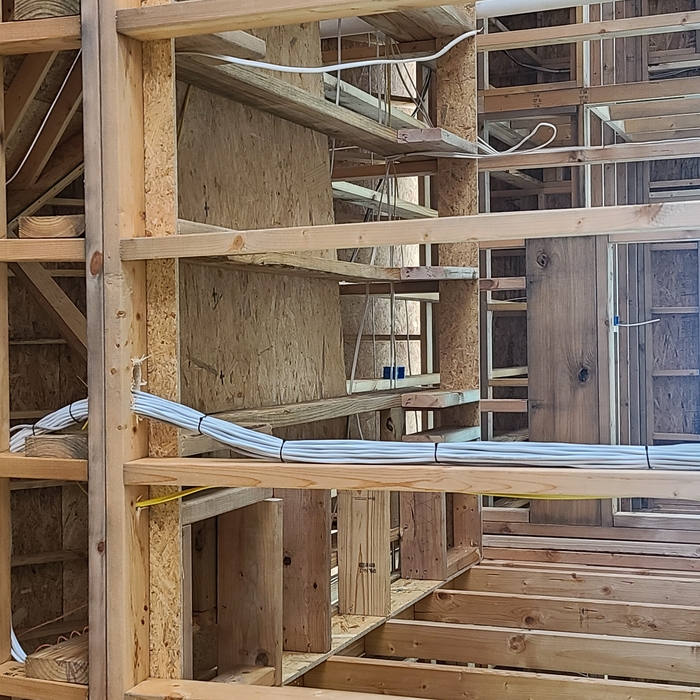

Generators should give you peace of mind, but you’ll only get that if your installer knows what they’re doing. Learn how to hire a pro and what red flags to look for.
Thinking about a generator installation? Learn about backup power options, costs to expect, and how to hire the right local pro to keep your home running.