






Top-rated animal fencing pros.

Get matched with top animal fencing pros in Dillon, SC

Enter your zip and get matched with up to 5 pros

Need a pro for your animal fencing service project in Dillon, SC?

Select your specific project to find the pro for you.

Find Animal fencing pros in Dillon

Avatar for Dog Guard of the Coastal Carolinas
Dog Guard of the Coastal Carolinas
4.9(
52
)
Electronic Pet Fence - Install

Serving Dillon, SC and surrounding areas

In business since 2015

Free estimates

Warranties offered

"These guys were great! Very professional and knowledgeable. I had lots of questions about using the fence with my dogs, and they had the knowledge and expertise to answer all of them! They knew I had a demanding work schedule and even came and Installed the fence in the rain! I would highly recommend them."

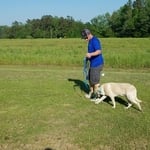
Colt
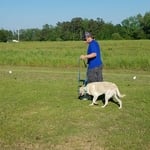
Colt Training
Colt Training Continued
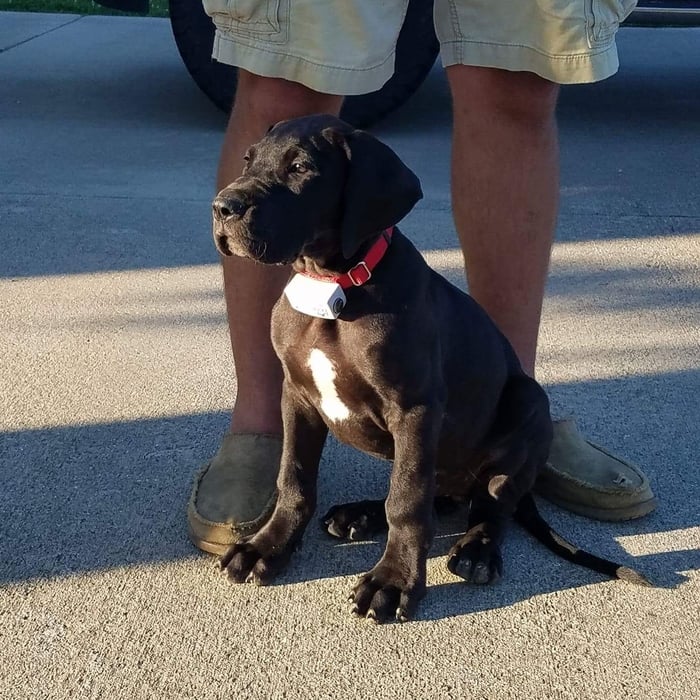
Rudy
Moose

+6

Response time1 day
Recommended by95%of homeowners
Animal Fencing questions, answered by experts

Numerous predators kill hornets, including frogs, birds, lizards, bats, spiders, and hedgehogs. Some larger predators, including rats, skunks, and racoons, will occasionally attack a hornet nest in order to eat the larvae inside. These natural predators typically don’t eat enough hornets to make them an effective form of hornet control. 

Voles are pretty prolific breeders, managing to squeeze in 5 to 10 litters a year, and each litter usually has around 3 to 5 little ones. These furry creatures are flexible with their love lives, as they can breed all year round, though spring and summer are their prime times. If they're living it up in warmer areas, voles don't take a break and keep reproducing non-stop.

The primary attractant for moles is food. With a powerful sense of smell, they seek out grubs, earthworms, ants, and other insects in the soil. Other factors can also draw them in, such as moist, loose soil which makes tunneling easier, so an overwatered lawn can be an invitation. Additionally, male moles may enter your yard to expand their territory or find a mate, and if a neighbor has a mole problem, it's possible for them to tunnel over to your property.

It can be difficult to know what type of animal is in your attic until you see it. But several clues can help you narrow down the suspects:

  • Sounds: Smaller animals like rats and mice make scurrying and tapping/gnawing sounds. Larger animals like raccoons and opossums make louder clambering noises. Also, note when animals are noisy: Squirrels are active during the day, while rats are busiest at night.

  • Droppings: Rats and mice leave small, rice-shaped droppings (the rat’s version is significantly larger). Bigger droppings belong to larger critters like raccoons. As long as you’re not squeamish, an image search can help you identify what you’re seeing in your attic.

When in doubt, take photos of damage or other evidence and show them to an experienced pest control pro.

Some suggest mothballs as a deterrent for iguanas, but they are ineffective and harmful. Mothballs contain chemicals like naphthalene or paradichlorobenzene, which are toxic to humans and animals, including iguanas. The fumes can cause respiratory problems, skin irritation, and other health issues. Moreover, using mothballs outdoors is not recommended, as they contaminate soil and water sources.

The Dillon, SC homeowners’ guide to animal fencing services

From average costs to expert advice, get all the answers you need to get your job done.