

CNT Foundations is the best foundation repair company in the industry. Locally owned and operated since 2010, we service commercial and residential foundation repairs, crawl space repairs, and New Construction projects in the Carolinas, Savannah and Augusta, Georgia. Call today for a free estimate and find out why CNT Foundations is #1.
Customer satisfaction is what determines our success, which is why we take a hands-on approach. When interacting with our company, you'll notice that we're particularly focused on the principles of quality workmanship, timely completion, competitive pricing and integrity in all our business dealings. We combine knowledge and research with our extensive practical experience to ensure a specialized approach for your project needs. Contact us today for a fair and accurate estimate of your project. We look forward to adding you to our long and growing list of happy customers.\n
Additional Phone - (706) 799-4834.\nAdditional Contact name - Missie Hutchison. Additional DBAs - Paul Davis Systems of Augusta, Meehan of Augusta, Inc., Paul Davis Systems Restoration of Augusta/Aiken.
Structural Engineering questions, answered by experts
First, most contractors will have a structural engineer create a report and plan for your project to ensure it’s safe to cut into the load-bearing wall. The contractor will then excavate around the wall, if necessary, measure the opening—allowing for additional space to fit and level the door, and then cut the doorway out. They will likely install a steel lintel as a header over the door for support. Once the doorway is cut out, they’ll demolish the concrete using sledge hammers and masonry chisels, clean up the surrounding concrete, and seal around the door with masonry mortar.
Structural engineers typically conduct inspections during a home sale or renovation, looking for signs of structural damage in various structures throughout the building, such as load-bearing walls, joists, beams, roofing trusses, foundations, and chimneys.
Some of the warning signs that structural engineers check for include:
Sagging, shifting, or damaged walls, ceilings, or roofing support
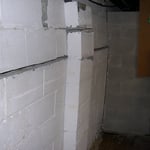
According to the Earthquake Country Alliance—a public and private alliance in California that works to improve earthquake and tsunami readiness—reports that unreinforced masonry, such as stone, bricks, and hollow clay tiles, is more susceptible to earthquake damage. The mortar between bricks isn’t as stable as other building materials and methods.
All foundations have footers, including monolithic slabs. In some cases, the foundation itself acts as the footer, as in the case of a floating slab and a monolithic slab. With a monolithic slab, the footers—which are just the bottom-most portion of the foundation that distributes loads down to stable soil—are a part of the main slab and are constructed with a single pour.
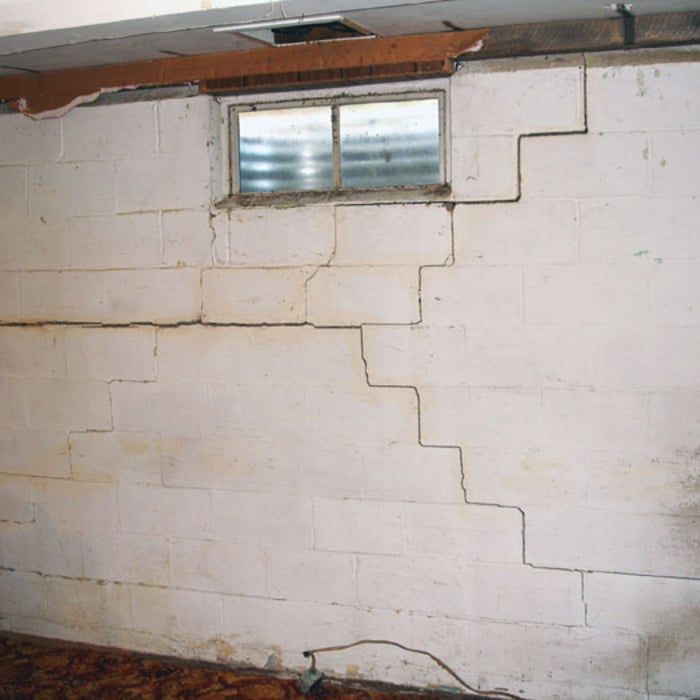
Signs of structural damage include foundation cracks, roof leaks, bouncy floors, crumbling concrete, and cracked or leaning chimneys. Structural damage can make itself apparent in various ways, and sometimes, there may not be obvious signs. Inspect your foundation and roof annually to stay ahead of potentially serious structural problems.
The Beech Island, SC homeowners’ guide to structural engineering services
From average costs to expert advice, get all the answers you need to get your job done.
Learn why it might be a good idea to hire a structural engineer for a home inspection in addition to a general home inspector when you’re purchasing a home.