




Top-rated paving pros.

Get matched with top paving pros in Spring Mills, PA

Enter your zip and get matched with up to 5 pros

Need a pro for your paving service project in Spring Mills, PA?

Select your specific project to find the pro for you.

TRUSTED BY SPRING MILLS, PA HOMEOWNERS

  • Average homeowner rating star icon4.3
    Average homeowner rating
  • Verified reviews icon16
    Verified paving services reviews

Find Paving pros in Spring Mills

Avatar for Henry's Paving
Henry's Paving
5.0(
6
)
Asphalt Paving - InstallAsphalt Paving - Install- For BusinessAsphalt Paving - Repair or Patch+1 more

Serving Spring Mills, PA and surrounding areas

Free estimates

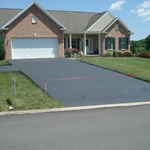
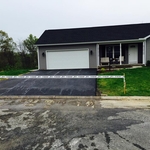
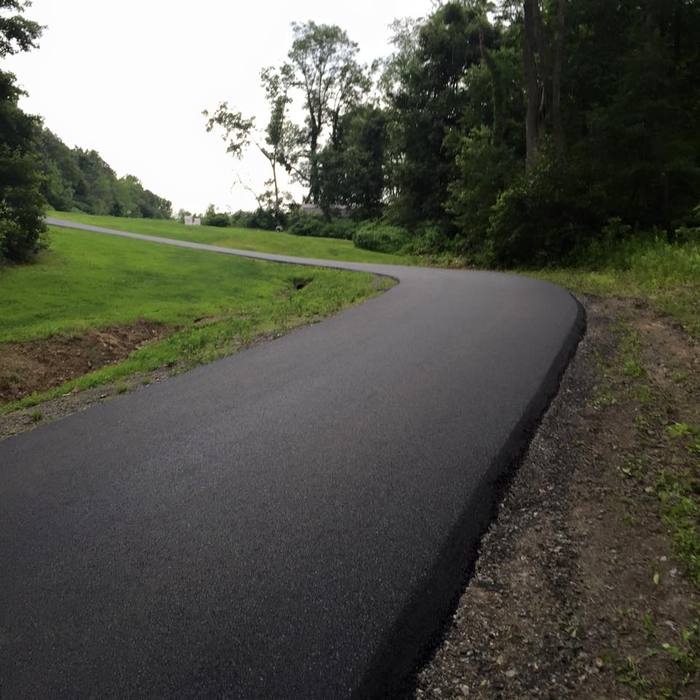
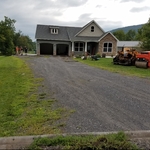
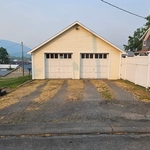
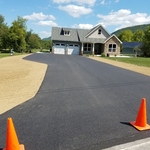
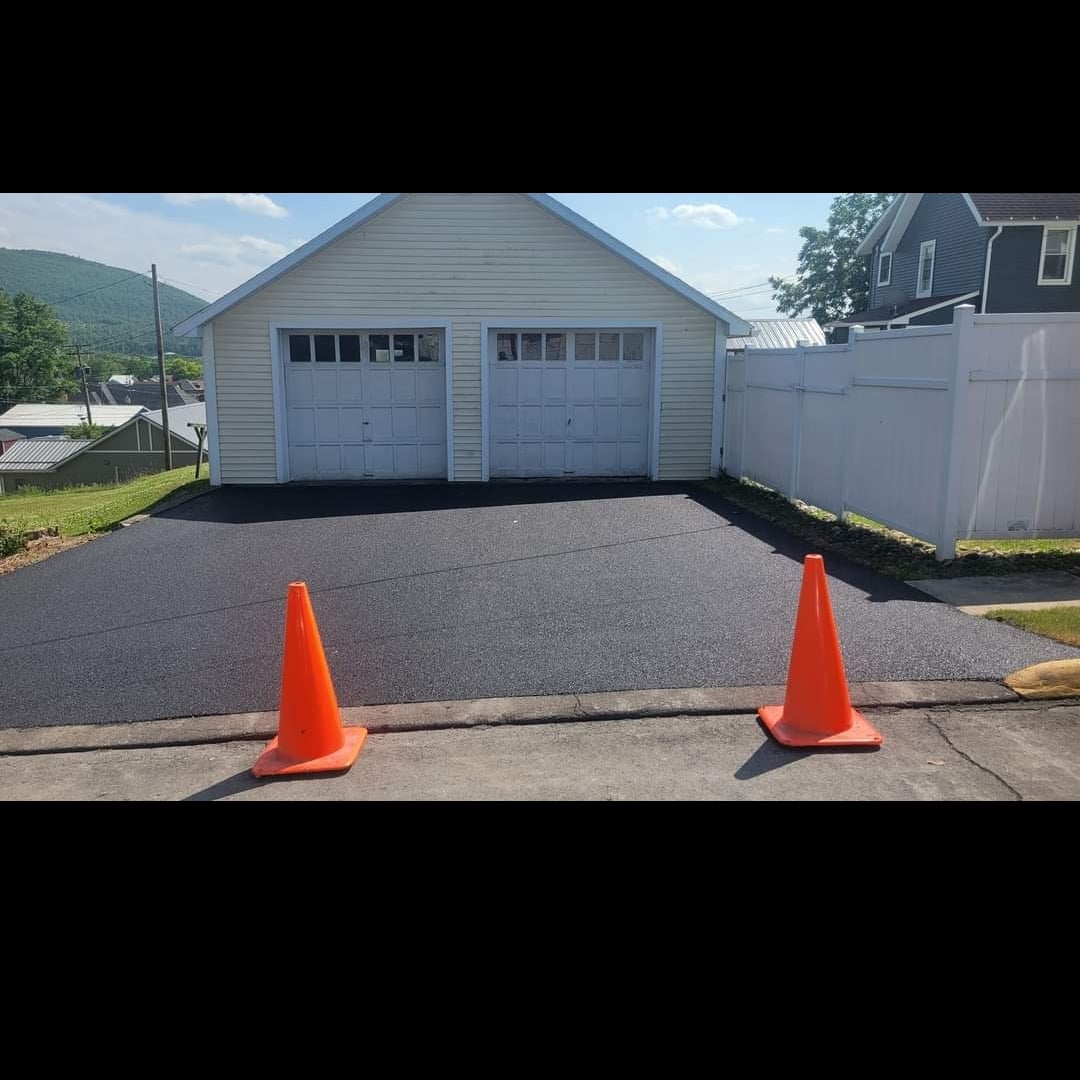
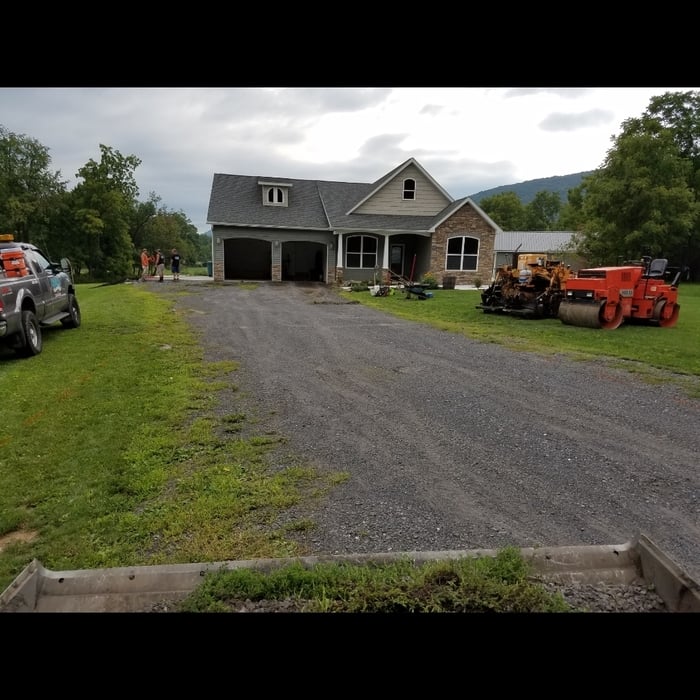
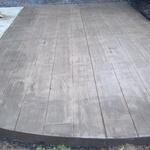
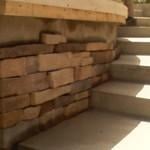
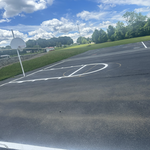
"John and his crew did an amazing job from start to finish. With his many years of experience, he offered a lot of insight on ideas that really made our driveway perfect. He suggested ideas that we would have never even thought of, such as, a pad for our boys new basketball hoop and making suggestions to make it flow into the different height back patio to the different height front sidewalk. I literally recommend Henry's Paving to everyone I know who is thinking about paving their driveway."
Additional Photos
Additional Photos
Additional Photos
Additional Photos
Additional Photos

+20

Recommended by100%of homeowners
Showing 1-10 of 31
Paving Services questions, answered by experts

An example of permeable paving is a set of cinder blocks or natural stone pavers with room inside for natural materials, such as gravel, sand, or grass. You can also design these pavers with brick or plastic tiles.
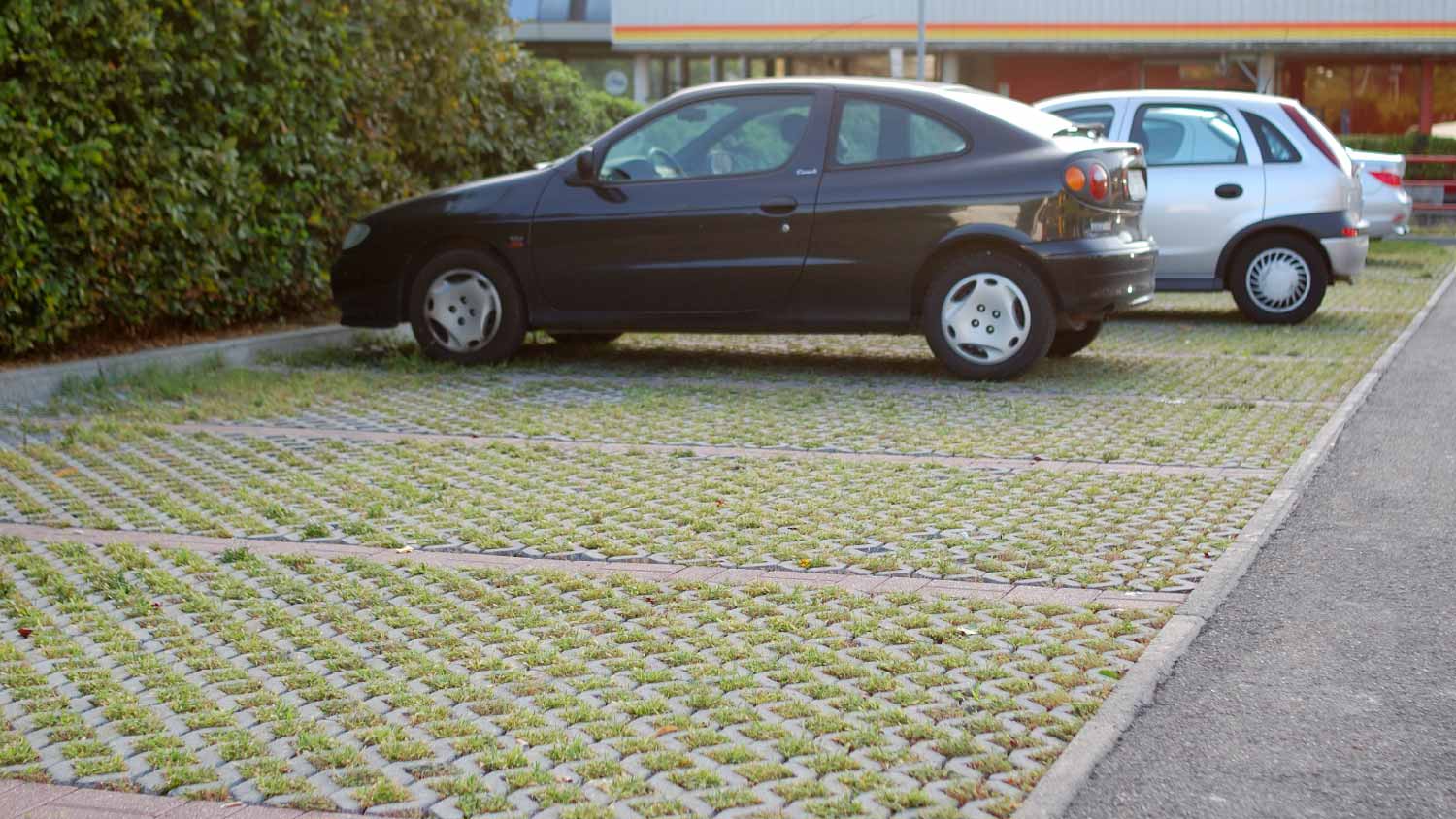
In addition to these pavers, permeable pavement can be obtained by using a highly porous material, such as pervious concrete or pervious asphalt.

If you miss the perfect time frame to trowel finish concrete, you likely won’t get the smooth, flawless result you’re looking for. In this case, you should contact a concrete professional or look to methods like sanding, grinding, or patching once the concrete dries. These methods will ensure the best final result for the lowest cost.

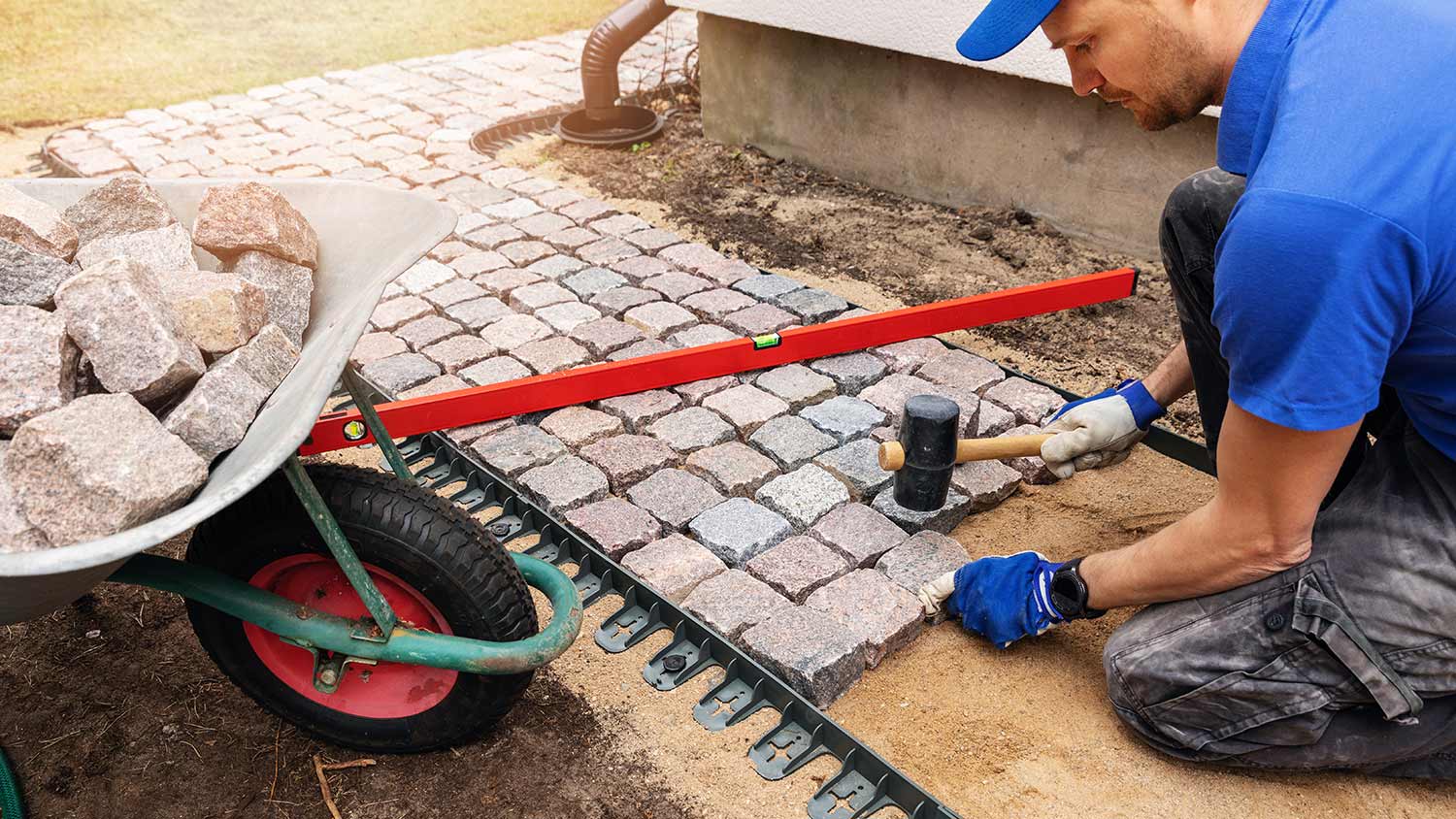
Generally speaking, tiles are for indoor use, while pavers are for outdoor use. The main difference between travertine tiles and pavers is their thickness. Tiles are around 1/2 inch thick, and pavers are 1 1/4 inches to 2 inches thick.

Pavers are more rugged and can handle different weather. The extra thickness on pavers also makes them ideal for high-traffic areas.

The recommended minimum amount for a paver base is 4 inches. From there, it depends on the kind of traffic the pavers will see and the current soil conditions. Two inches of paver base won’t create the amount of stability and support that pavers need to remain securely in place over time.

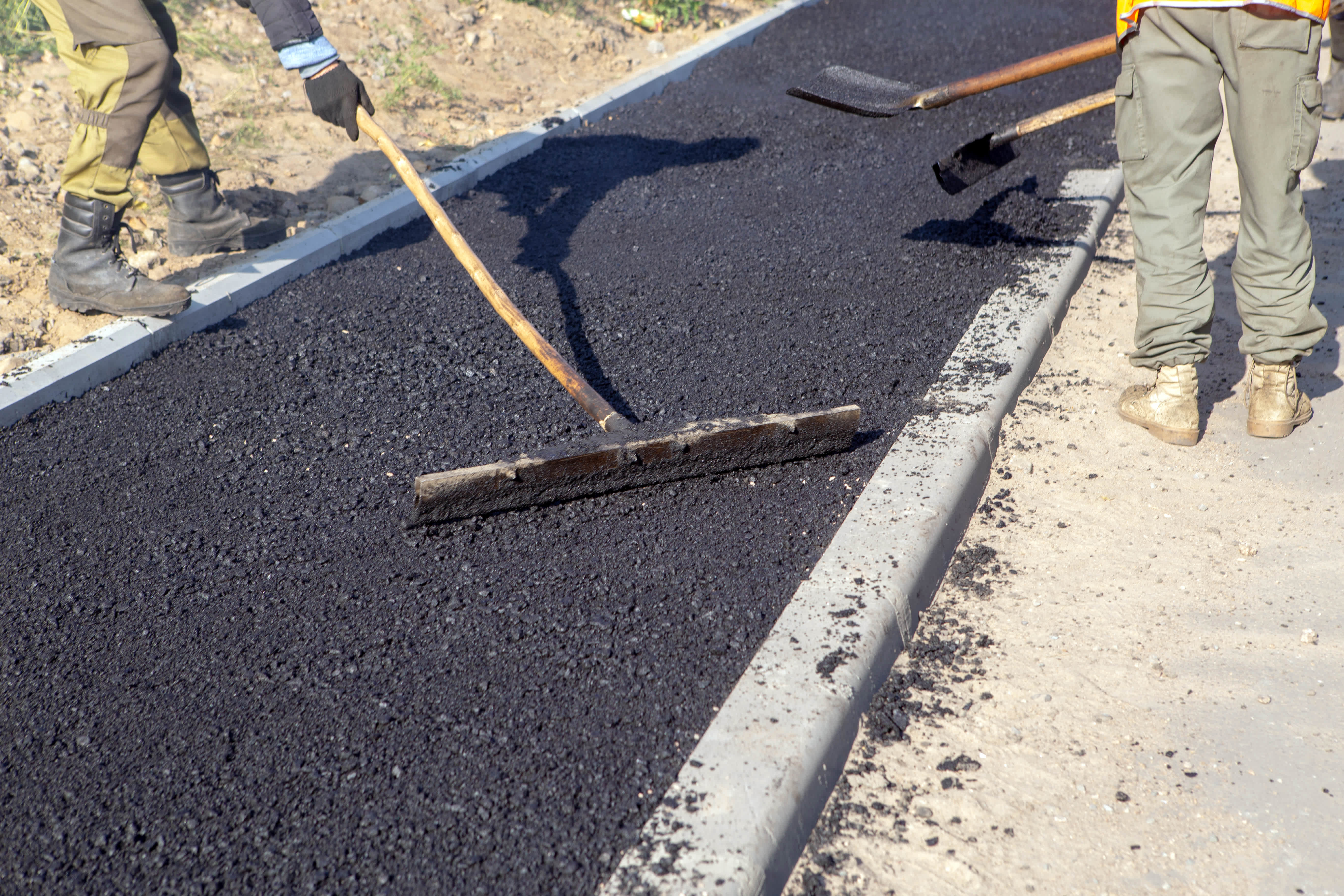
While blacktop is a type of asphalt, the terms should not be used interchangeably, as not all asphalt qualifies as blacktop. The primary differences are in their composition, production process, and ideal applications. Blacktop contains more stone than other types of asphalt and is heated to a higher temperature during production—300°F or more—while hot-mix asphalt is heated to between 275°F and 300°F. The ratio of bitumen (a tar-like crude oil) is a key differentiator, though sources vary: some state blacktop has less bitumen, making it less durable, while others claim it has a higher ratio. Due to these differences, asphalt is generally more durable and better for high-traffic areas like highways and streets, while blacktop is more suitable for playgrounds and residential driveways. For a driveway project, it is best to consult a professional to determine the most appropriate material.

The Spring Mills, PA homeowners’ guide to paving services

From average costs to expert advice, get all the answers you need to get your job done.