Top-rated welders.

Get matched with top welders in Speers, PA

Enter your zip and get matched with up to 5 pros

Need a pro for your welding project in Speers, PA?

Select your specific project to find the pro for you.

Find Welders in Speers

Avatar for Wilson Fabrication & Repair
Wilson Fabrication & Repair
5.0(
5
)

Serving Speers, PA and surrounding areas

Approved

In business since 2022

Free estimates

Small jobs welcome

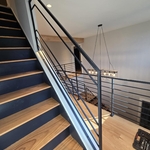
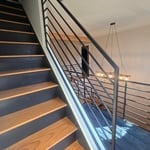
"I highly recommend Wilson Fabrication & Repair. Dillon was quick to respond and complete the task. He was also respectful of our home and our questions. Dillon repaired a broken metal railing in our home, and left us with a better product than we originally had. We will be calling this company for repairs in the future."
Railing Repair
Railing Repair
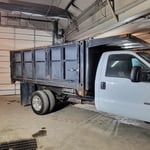
Dump Body Repairs
Dump Body Repairs
Dump Body Repairs

+7

Response time1 day
3 neighbors recently requested a quote
Recommended by60%of homeowners
Avatar for Randy's Mobile Welding
Randy's Mobile Welding
5.0(
9
)

Serving Speers, PA and surrounding areas

In business since 2019

Free estimates

"He did a couple jobs for me. Started off with welding an automotive frame, and he did a great job so I had more work for him to do as well. I would definitely recommend Randy's Mobile Welding to anybody needing welding services."
Railing
Railing
Horse Hayfeeder
Horse Gate
Pipe Weld

+1

Response time1 day
Recommended by100%of homeowners
Avatar for Rice Welding Fabrication and Repair
Rice Welding Fabrication and Repair
5.0(
3
)

Serving Speers, PA and surrounding areas

In business since 2018

Free estimates

Small jobs welcome

"Great job! Repaired falling garage wall. Installed and welded two steel beams to existing beams on the ceiling. Nick worked through the night until the job was done!"
Response time1 day
Recommended by100%of homeowners
Showing 1-10 of 45
Welding questions, answered by experts

The average cost for a welding project is about $300, with typical costs ranging from $125 to $490. However, prices can be as low as $125 for very small jobs or exceed $1,200 for large or complex projects. Welders typically charge an hourly rate between $65 and $150, depending on their experience, and many charge a minimum fee to cover overhead and travel expenses. The total cost is influenced by several factors, including labor, the cost of materials like metal rods and shielding gas, the type of metal being welded, the project's size and complexity, and your geographic location. For a precise quote, it's best to ask a local welder for an estimate based on your specific project.

Choosing the right metal fabricator for your project begins with research. Find a reputable fabrication company by searching for reputable contractors in your area, and then reviewing photos of their previous work, customer reviews, and photos of the company’s workshop.

Once you’ve narrowed down the list, contact the companies to ask about the types of metal fabrication projects they specialize and inquire about guarantees and warranties on workmanship. You should also ensure the company uses high-quality material, and ask about the schedule and turnaround time for your proposed project.

You should not do your own welding unless you have the proper training and experience. Most home electrical systems can only handle MIG welding, which creates weaker bonds than TIG welding and won’t work on certain metals or metal thicknesses. Both welding forms usually require the use of shielding gas, which can be dangerous to store at home. Additionally, welding machines create temperatures of over 3,000 degrees, and the sparks can blind you if you don’t have the proper equipment. As such, it’s usually better to hire a professional welder for your welding projects.

It will likely take an experienced pro less than an hour to install a ground rod, which is another reason why letting them handle the job is such a good idea. Safety concerns aside, it would likely take you much longer to install a ground rod if you decided to take this one as a DIY job.

Cutting rectangular ductwork requires careful measurements and the right technique. Use a measuring tape and pencil to mark the cutting lines accurately. Tin snips are excellent for straight cuts on smaller ducts. For more extensive or thicker rectangular ducts, a reciprocating saw with a metal-cutting blade is effective. 

Ensure the duct is well-supported and secure while cutting to prevent wobbling and maintain precision. After cutting, use a metal file to smooth any sharp edges, ensuring safety during installation. 

The Speers, PA homeowners’ guide to welding services

From average costs to expert advice, get all the answers you need to get your job done.