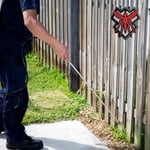
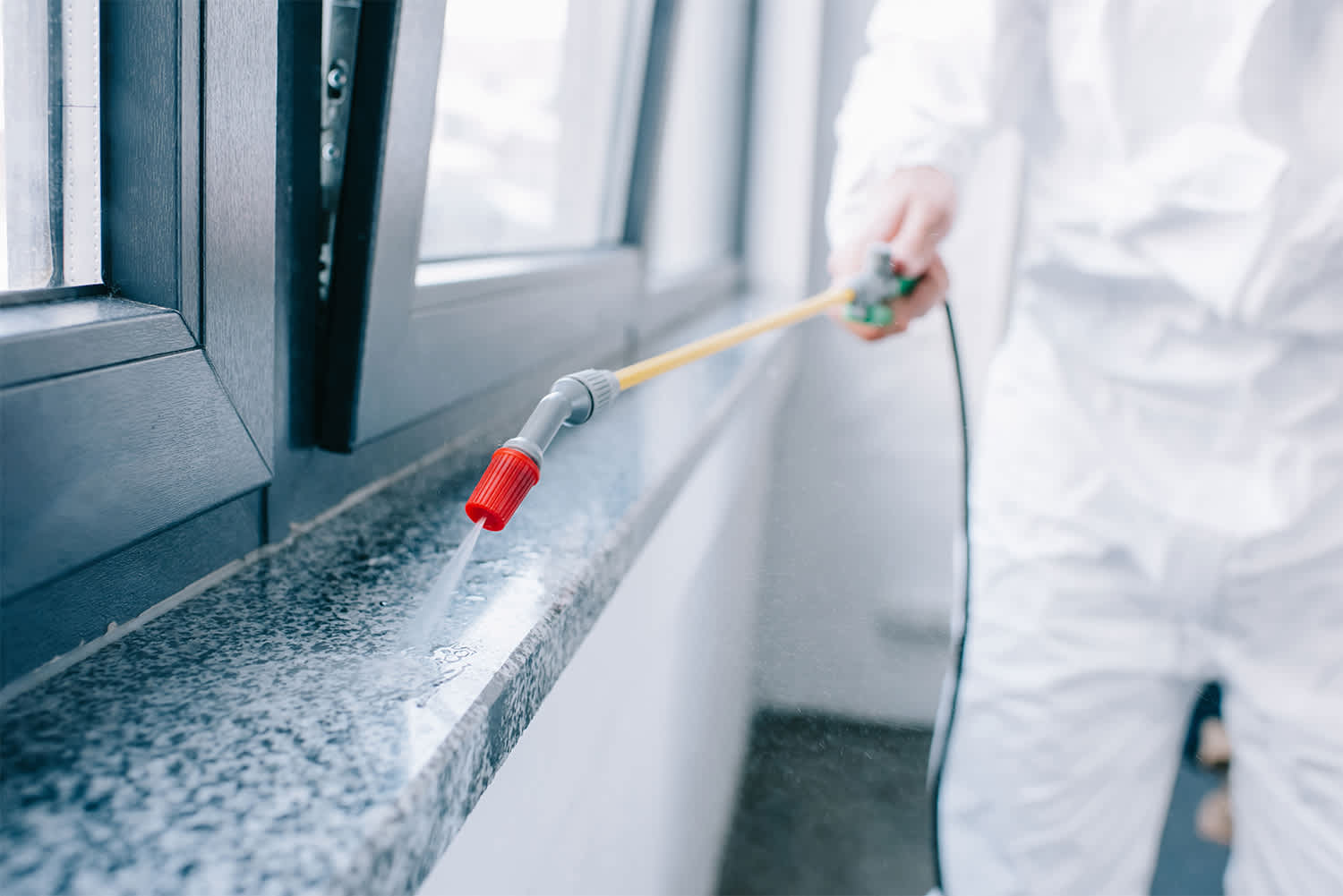
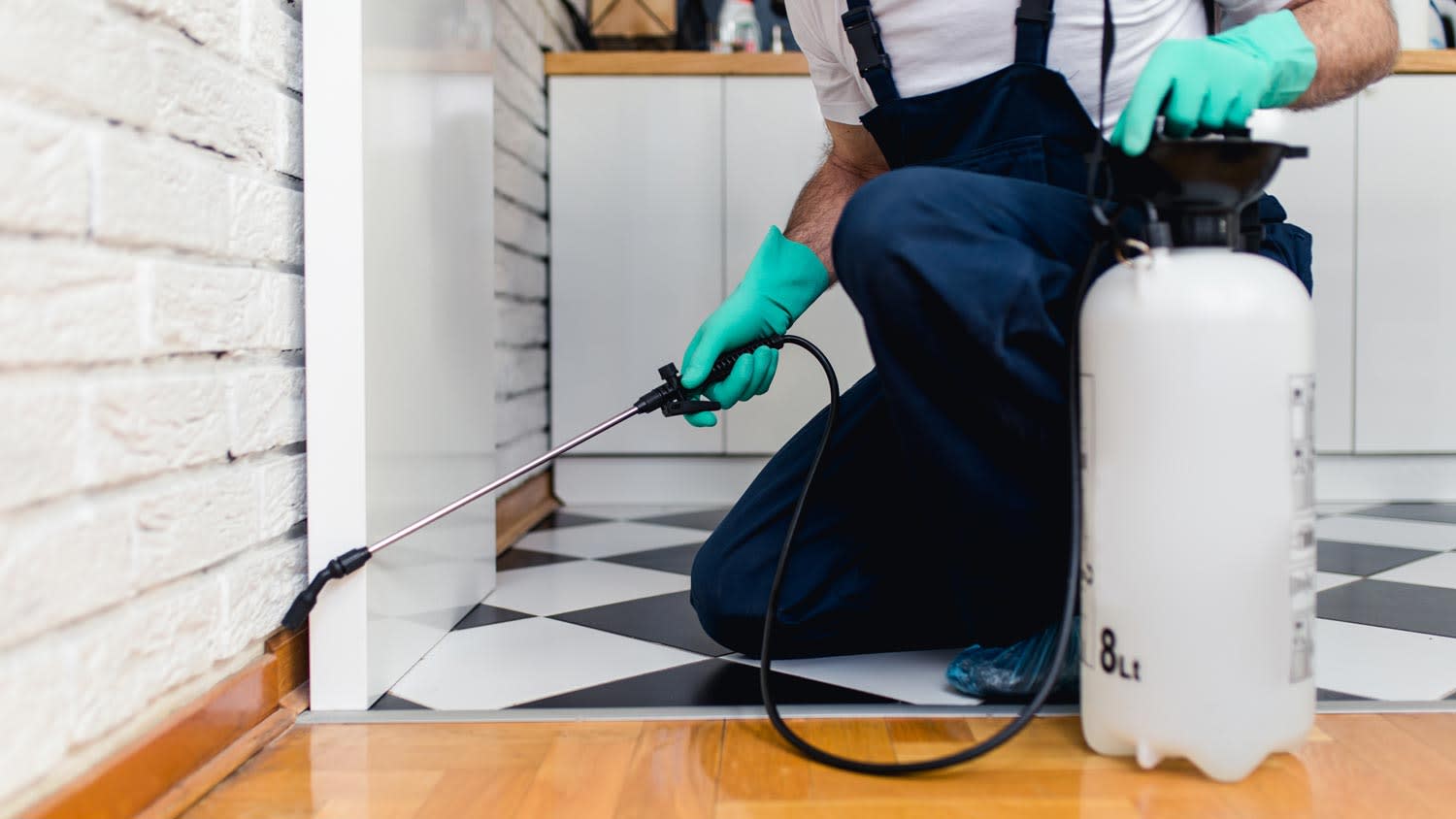
"Very knowledgeable guy who seem to know what he’s doing. Don’t know results of spraying. Have had much rain since. Will have to see if it worked. Terminex will spray again the beginning of next month."
"I had a fantastic experience with Ehrlich Southeast. Their customer service was excellent, from scheduling the appointment to the completion of the service. Their technicians were friendly, knowledgeable, and efficient, and they ensured my property was pest-free. I highly recommend them to anyone in need of pest control services."
"They came on time and inspected the property. The wood damage was caused by water, not termites. There was no charge for the inspection. I was pleased with the service."
"United Air Temp was able to procure a replacement furnace controller board in a couple of days and Zachary was out within 4 days of the initial visit. The furnace now works very well."
Fruit flies are more common during warm-weather months and may go away on their own in late fall once temperatures drop. However, they can survive year-round indoors as long as there's food available, so you'll likely want to take a proactive approach to get rid of them and stop the spread of bacteria.
A rat nest often looks like a messy, loosely formed pile hidden in a quiet spot. It may appear as a ball-shaped cluster or just a scattered heap made from shredded paper, fabric, insulation, leaves, twigs, and other soft materials. Rats gather whatever they can find nearby to build their nests, often tucking them away in walls, attics, or behind appliances for warmth and safety.
To determine if you have a rat or mouse infestation, look for several key differences. The most obvious is the size of the rodent: rats are significantly larger with thicker bodies, while mice are much smaller and more slender. You can also identify them by their droppings; rat droppings are larger and rounder, about the size of a raisin, while mouse droppings are smaller, like a grain of rice, and often have pointed ends. Other signs include the sounds they make, as rats produce louder scratching and gnawing noises due to their size. Behaviorally, rats tend to be more cautious, whereas mice are more curious and might be seen more often. Additionally, rat nests are typically larger than those of mice. If you are unable to see the pest or find clear evidence, a professional inspection can provide a definitive identification.
Squirrels have a strong sense of smell and can be deterred by various scents they dislike. Effective options include peppermint oil, rosemary, garlic, cinnamon, white vinegar, coffee grounds, and predator urine. Squirrels also have a strong aversion to capsaicin, the compound that makes chili peppers hot, making capsaicin-based repellents a good choice for protecting specific areas like gardens or bird feeders. For a DIY solution, you can create a garlic and vinegar spray and apply it daily. Additionally, placing strong-smelling items like certain soaps or dryer sheets near where squirrels frequent can also be effective.
Yes, rats will go near a sleeping human, especially if there is food or crumbs nearby. What’s worse, they may even bite humans while they are asleep. Common places for bites are exposed fingers, toes, hands, and faces. To minimize the risk of rats approaching you and your family members while they’re asleep, do not eat or leave accessible food packages in the bedroom.
The Smock, PA homeowners’ guide to pest control services
From average costs to expert advice, get all the answers you need to get your job done.
You’re not alone if you’re hoping to avoid harmful pesticides around your home to keep out pests. Here’s what you need to know about green-friendly pest control.