






Top-rated pest control specialists.

Get matched with top pest control specialists in Grindstone, PA

Enter your zip and get matched with up to 5 pros

Need a pro for your pest control project in Grindstone, PA?

Select your specific project to find the pro for you.

Find Pest control specialists in Grindstone

Showing 1-10 of 12
Pest Control questions, answered by experts

Drain flies aren’t likely to make you sick and typically aren’t harmful to humans. They don’t bite or sting; however, they can cause allergies. In some individuals, they can also trigger asthma. The main issue with these little bugs is that they’re annoying, unsightly, and unsanitary. Like all flies, they can spread bacteria from garbage or your sewer system.

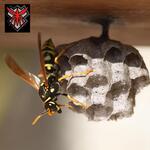
When a wasp stings, it pushes its stinger into the skin and releases venom. The sting site will typically become inflamed and swollen and likely hurt quite a bit. 

Some people are allergic to the venom and can have serious allergic reactions to a wasp sting. This sting could cause the throat to swell, difficulty breathing, hives, rapid heart rate, and vomiting. If you or someone has an allergic reaction to a wasp sting, it’s important to call 911 for emergency treatment, as reactions can be life-threatening.

If a coyote approaches you, never run away, even if it goes against your natural instinct. Make yourself look big, shout loudly, and throw something in the coyote's direction. Be persistent and continue these scare tactics until they move away. Then, you should move away slowly, always facing the coyote.

Vinegar can be an insect repellant, as many bugs find its scent off-putting. However, vinegar is acidic and may also cause damage to any plants it comes in contact with. If you'd like to use vinegar to deter pests in your garden, be careful not to spray it directly on the plant's leaves or stems.

It's also worth noting that vinegar's effects can be short. To continue to repel bugs, you'll need to spray vinegar repeatedly. 

The best termite treatment depends on your specific infestation, home, and budget. According to the Environmental Protection Agency (EPA), the most common professional treatments are soil-applied barrier treatments, like liquid termiticides, and termite baits. Bait stations are placed in the soil and work by moving poison back into the colony to kill the queen. For infestations that haven't fully taken root, barriers and targeted termiticides are often the most effective options. Additionally, preventative measures such as moisture removal and installing physical barriers to protect vulnerable wood are important, particularly during construction or remodeling. It is best to work with a termite professional to determine the right treatment for your situation.



The Grindstone, PA homeowners’ guide to pest control services

From average costs to expert advice, get all the answers you need to get your job done.