



Top-rated insulation pros.

Best insulation pros near Rockefeller, PA

Enter your zip and get matched with up to 5 pros

Need a pro for your insulation service project in Rockefeller, PA?

Select your specific project to find the pro for you.

Top-Rated Insulation pros in Rockefeller - Updated Nov 2026

Avatar for Iron Valley Spray Foam LLC
Iron Valley Spray Foam LLC
5.0(
1
)
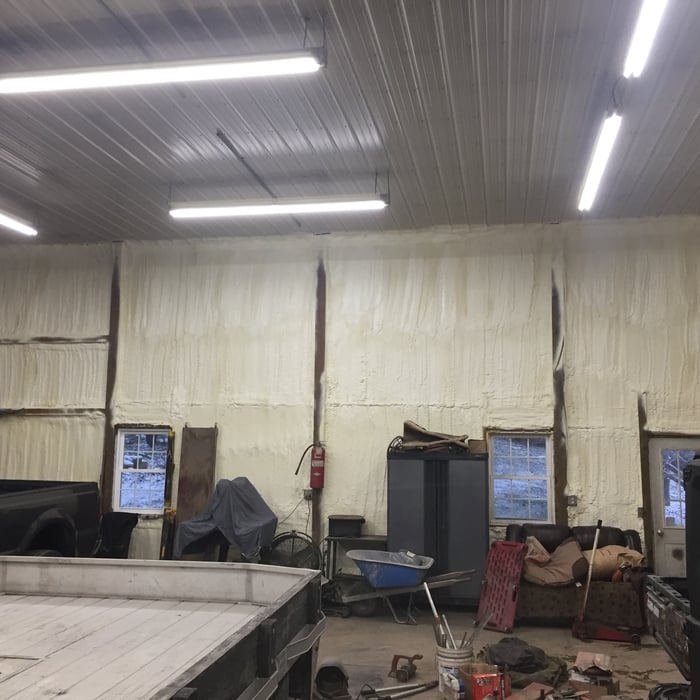
Spray Foam Insulation - Install

Serving Rockefeller, PA and surrounding areas

Approved

Free estimates

Offers commercial services

We have a single mission: Complete Customer Satisfaction! We have consistently focused on the needs of our customers, providing personalized attention and a stress-free experience. \nYou will find us to be competitively priced with close attention to the details. \nOur reputation is based on service, safety, and quality, regardless of how large or small the job. \nWe look forward to building a lasting relationship and guarantee your satisfaction! \n

Orr Industries of Pennsylvania, LLC
4.4(
28
)
Batt, Rolled or Reflective Insulation - Install or UpgradeBlown-In Insulation - Install or UpgradeInjection Insulation - Install+1 more

Serving Rockefeller, PA and surrounding areas

In business since 2021

Free estimates

Credit card accepted

"Ray arrived on time (during a snow storm). He is so knowledgeable and polite. Very easy-going and does a very through job of explaining the process and different types of insulation available As soon as I receive the email and video I will consult my husband and contact Ray."
Response time1 day
Response rate88%
Recommended by80%of homeowners
Avatar for Bullseye Garage Doors
Bullseye Garage Doors
5.0(
9
)
Blown-In Insulation - Install or Upgrade

Serving Rockefeller, PA and surrounding areas

In business since 2024

Free estimates

Credit card accepted

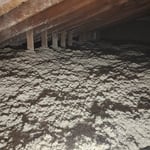
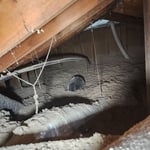
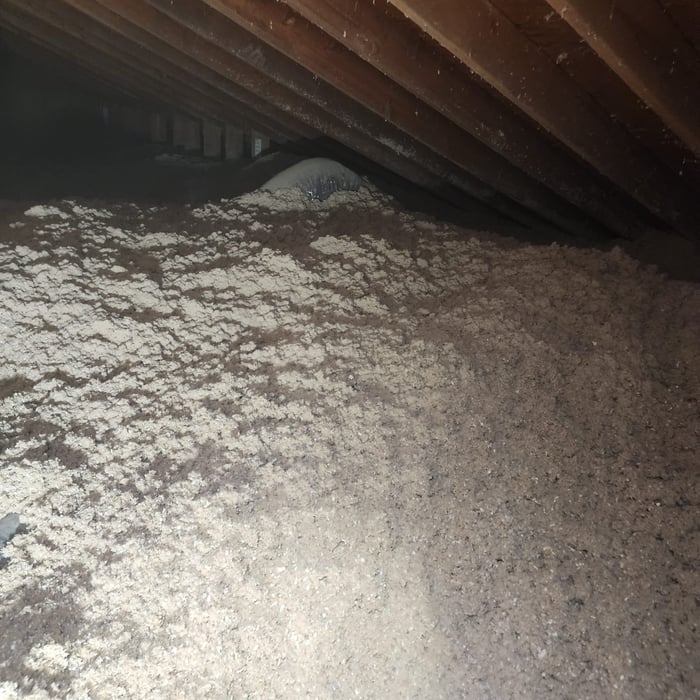
"The crew at Bullseye did a great job adding additional insulation to my attic space. They got my home back up to the proper Rvalue, they also added some vents to help with air flow. Very professional and clean up was great. Can't wait to see the savings on my heating and cooling bills!"
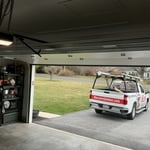
Outside of Door
Fully Opened
Finished Product!
Duct Protection
Finished Product

+5

Response time1 day
Showing 1-10 of 26
Insulation FAQs, answered by experts

Garage door insulation can last anywhere from 20 to 100 years depending on the type of insulation. Cellulose has the shortest lifespan coming in at between 20 and 30 years, while spray foam, mineral wool, and fiberglass can last between 80 and 100 years with proper maintenance. 

Humidity plays a role in how long more susceptible insulation materials—like fiberglass—last. Once fiberglass batts reach the 15-year mark, you'll need to routinely inspect your insulation to ensure that it is in mint order.

Winterizing your outdoor plumbing keeps your outdoor spigot from freezing and potentially bursting. This includes draining residual water out of the pipe and spigot after turning the valve off, then removing garden hoses and other attachments from the spigot before winter comes. Insulating the pipe that leads to the spigot and installing a freeze-proof faucet also help, as does installing an outdoor faucet protector.

Yes, you can use too much bubble wrap. If you overdo it with the wrapping, it can strain the top of your box and break open the taped seal, risking the chance that the contents of the box could fall out or break. Use enough wrapping to fully cover your item without compromising the security of your box.

You should not use spray foam insulation in several specific areas. Avoid applying it in spaces exposed to high temperatures, such as near electrical boxes or recessed lighting, unless the foam is specifically rated for such use. Applying foam near electrical boxes can damage the wiring, and using it too close to lightboxes or recessed lights creates a potential fire hazard. Additionally, do not use spray foam in areas prone to shifting or movement, as this can lead to cracks and gaps in the insulation. Finally, open-cell foam is unsuitable for use below ground or in areas exposed to moisture because it can absorb water, which compromises its insulating effectiveness.

No, you should avoid using antifreeze in your outdoor spigot to prevent freezing. Antifreeze can contaminate your water supply and harm the environment. Instead, employ safer and more effective methods for winterizing your spigot, such as draining the spigot and using insulation, to protect it from freezing temperatures.

The Rockefeller, PA homeowners’ guide to insulation services

From average costs to expert advice, get all the answers you need to get your job done.