


Top-rated tree service pros.

Get matched with top tree service pros in Reno, PA

Enter your zip and get matched with up to 5 pros

Need a pro for your tree service project in Reno, PA?

Select your specific project to find the pro for you.

TRUSTED BY RENO, PA HOMEOWNERS

  • Average homeowner rating star icon4.7
    Average homeowner rating
  • Verified reviews icon30
    Verified tree services reviews

Find Tree service pros in Reno

Avatar for Grossman Tree Service
Grossman Tree Service
5.0(
16
)
Tree RemovalTree Removal - For BusinessTree Stump - Remove+4 more

Serving Reno, PA and surrounding areas

In business since 2023

Free estimates

Emergency services offered

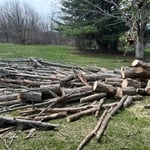
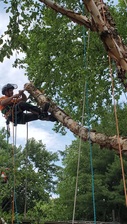
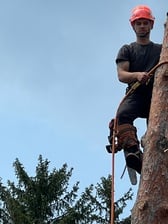
"Grossman Tree Service did an amazing job. Not only did Charlie climb and cut down the tree, he also cut the wood into pieces that would fit into my wood stove. He did an outstanding job on the clean up as well. Charlie kept me in the know the whole time and was very knowledgeable about the work he performed. Grossman Tree Service gave me an affordable price and did professional work!"
Response time8 hrs
Response rate91%
Recommended by100%of homeowners
Avatar for B & T Buckets
B & T Buckets
5.0(
30
)
Tree RemovalTree Removal - For Business

Serving Reno, PA and surrounding areas

In business since 2020

Free estimates

Credit card accepted

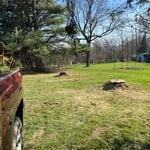
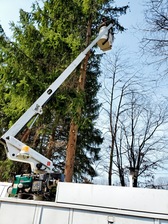
"From estimate to clean-up, they did a thorough and professional job. It was enjoyable to watch how smoothly they worked together to systematically take down the very large maple tree whose limbs extended over my home. After they ground the stump so low that I will easily be able to plant grass and people would never know there was a tree there."
Response time9 hrs
Response rate97%
Recommended by92%of homeowners
Showing 1-10 of 42
Tree Service questions, answered by experts

The amount of time it takes for a tree trunk to rot depends on several factors, including the tree’s size, species, and environmental conditions. It can take anywhere from a few years to several decades for a tree’s trunk to rot. A tree stump, on the other hand, can take up to 10 years to disappear after it’s decayed naturally.

It is possible to cut down a tree on your property yourself, but it is generally not recommended unless specific conditions are met. You should only consider this project if the tree is small (e.g., under 4-5 inches in diameter and short enough that you don't need a ladder to reach the branches), and you are experienced in handling a chainsaw. The tree must also be located far from any power lines, fences, homes, or other structures. Even for small trees, the work can be dangerous, and it's always advisable to have a spotter to ensure the tree falls correctly and no branches fall on you.

For any tree that is large, requires a ladder to access, or is near electrical lines or structures, you should always hire a professional. Attempting to remove a large tree yourself is extremely dangerous, poses a risk of serious injury, and could result in significant damage to your property.

Before any tree removal, it's also important to check your local and state regulations to ensure the tree is not historic or otherwise protected by your city.

In the short term, you’ll have a lot of fallen trees to deal with. Tree removal services costs typically start at $200 per tree and increase based on species and size. Then, you’ll have to deal with the loss of trees: That means a loss of shade and a greater risk of rain runoff and erosion. Also, you’ll miss out on the health and aesthetic benefits of having trees on your property, which could even affect the resale value of your home.

That being said, cutting down a tree it’s not always a bad idea. Trees growing too close to rooftops can present fire hazards or debris problems. You may need to remove diseased or dying trees to prevent future issues.

Generally, you’ll want to prune back the trunk by 1 to 2 feet each year to promote bushy growth. Doing so concentrates vegetative buds closer to the bottom of the tree, where you can easily harvest fruit. For side shoots that are a year old, leave at least six leaves. 

Never remove more than 30% of a tree’s foliage during pruning—even if your tree is really overgrown. Removing this much foliage at a time could kill your tree.

Tree experts don’t advise against digging through tree roots, but instead encourage caution and consultation with a local arborist to make sure you don’t damage the tree’s structure or interrupt its water or nutrient intake. An arborist can recommend specific practices when digging and help prune the roots or dig a trench for utilities with a tool that can remove soil without touching the tree’s roots.

The Reno, PA homeowners’ guide to tree services

From average costs to expert advice, get all the answers you need to get your job done.