




Top-rated lead testing and removal specialists.

Get matched with top lead testing and removal specialists in Pittston, PA

Enter your zip and get matched with up to 5 pros

Need a pro for your lead testing and removal project in Pittston, PA?

Select your specific project to find the pro for you.

Find Lead testing and removal specialists in Pittston

Avatar for SATURNO ENVIRONMENTAL TESTING LLC
SATURNO ENVIRONMENTAL TESTING LLC
5.0(
5
)
Toxic Lead - Testing

Serving Pittston, PA and surrounding areas

Approved

In business since 2020

Credit card accepted

Saturno Environmental Testing, LLC is a Lead Evaluation Firm EPA and NJ DCA certified. At Saturno, our goal is to educate the public about dangers of lead paint, help clients to be in complience with lead regulations and to help clients to get their lead safe and lead free certificate with the best of the services we offer.
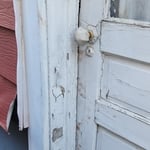
Lead Risk Assessment
Exterior Door
8 neighbors recently requested a quote
Avatar for The Radon Bros
The Radon Bros
5.0(
6
)
Toxic Lead - Testing

Serving Pittston, PA and surrounding areas

Approved

Super Service Award Winner

In business since 2018

Free estimates

Warranties offered

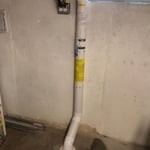
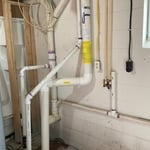
"Excellent, very satisfactory. Radon Brothers' rep came, saw the problem, and replaced the leaking radon exhaust PVC pipe in my basement floor. All in record time. Am very satisfied and will continue using Angi contractors."
Installations
Installations
Installations
Installations
Installations

+8

Response time1 day
Response rate100%
12 neighbors recently requested a quote
Lead Testing and Removal questions, answered by experts

Exterior paint contains a higher level of VOCs, which can be dangerous if you’re exposed to it for a long period of time. The good news is that paint’s toxicity reduces significantly once fully dried and cured. Do not keep open exterior paint cans in your home, basement, or garage, exposing your household to harmful chemicals over time.

If your house was built before 1978 and you’re noticing cracking or peeling paint, a lead paint inspection is a good idea. A lead paint inspection gives you accurate information about the presence, location, and condition of lead-based paint in your home. This information is essential for making informed decisions about lead paint removal to ensure your safety and health and that of your family. If your inspector finds lead, you’ll need to take steps to manage or remove the lead-based paint and comply with laws and regulations.

How you test for lead in your water depends on the source of your home's water supply. If you have municipal water, your local water system may offer to test the water for free or may connect you to a lab that will perform the testing.

If you have a private well that provides drinking water, you are responsible for testing it for lead. Look for a lab that is accredited by your state's Department of Environmental Protection to perform the test.

Lead toxicity comes from inhaling lead or consuming it. Before the 1980s, when the government banned lead from consumer use, it could be found in paint, plumbing, pipes, ceramics, and even gasoline. Lead paint is toxic for the same reason lead itself is toxic, which is why lead poisoning from paint presents the same as lead poisoning from water or food sources, with a slight increase in respiratory symptoms vs. digestive symptoms. Lead paint is most dangerous when it’s old and peeling, cracking, or otherwise disturbed. This increases the concentration in the air and, therefore, in breathable air. 

According to the Environmental Protection Agency (EPA), hazardous waste is generally classified into four main categories:

1. Characteristic Wastes: These exhibit at least one of four hazardous traits: ignitability (flammable, like gasoline), corrosivity (can rust or decompose materials, like car batteries), reactivity (unstable and can explode, like aerosol cans), or toxicity (harmful when ingested, like lead-based paint).

2. Listed Wastes: These are specific wastes from manufacturing and industrial processes that the EPA has officially designated as hazardous. They include byproducts from processes that use solvents, pesticides, and other chemicals.

3. Universal Wastes: These are commonly generated hazardous items that are subject to streamlined regulations. Examples include batteries, pesticides, mercury-containing equipment (e.g., bulbs), and some lamps.

4. Mixed Wastes: This category includes waste that contains both hazardous and radioactive components, making it subject to regulation by both the EPA and the Nuclear Regulatory Commission.

The Pittston, PA homeowners’ guide to lead testing and removal services

From average costs to expert advice, get all the answers you need to get your job done.