No, not all popcorn ceilings have asbestos, but a vast majority do. The Environmental Protection Agency (EPA) banned its use in 1973, although it still may have been used up through the early ‘90s. But, in general, homes built or remodeled before the early ‘80s likely utilized materials with asbestos. That being said, a professional test is the only way to determine for sure.
If you own a stereo microscope, you should be able to see the fibers. The stereo microscope often can perform magnification up to 50x. But unless you have experience viewing asbestos fibers, you may not know exactly what you are seeing. Some fibers are curly, while others are long and straight. Blue, brown, white, and gray colored fibers are all possible.
Many homeowners may never have to test their homes for asbestos. Asbestos particles are only dangerous if they become airborne. If you plan to do construction or notice damage to piping, siding, or drywall, you should hire a specialist to test for asbestos.
If you plan to remodel your home or have any concerns, you should have your home tested for asbestos just to be safe.
Because of the danger of inhaling asbestos fibers, figuring out through testing whether your popcorn ceiling contains asbestos is definitely worth it. If the popcorn ceiling texture has asbestos, remove it as soon as possible to keep your family safe. Any home built in or before the 1980s that has popcorn ceilings could have asbestos, necessitating testing. Asbestos carries several health risks for people who inhale it, including the increased chance of developing lung cancer in the future.
Damaged tiles can release asbestos fibers into the air. Anyone in the surrounding area who may inhale the fibers will have them settled in the lining of internal organs. Over time, it may lead to serious health conditions such as lung cancer and mesothelioma.
The only safe way to prevent these conditions is to avoid exposure to asbestos at all costs, even for a short period of time.
The New Beaver, PA homeowners’ guide to percolation testing services
From average costs to expert advice, get all the answers you need to get your job done.
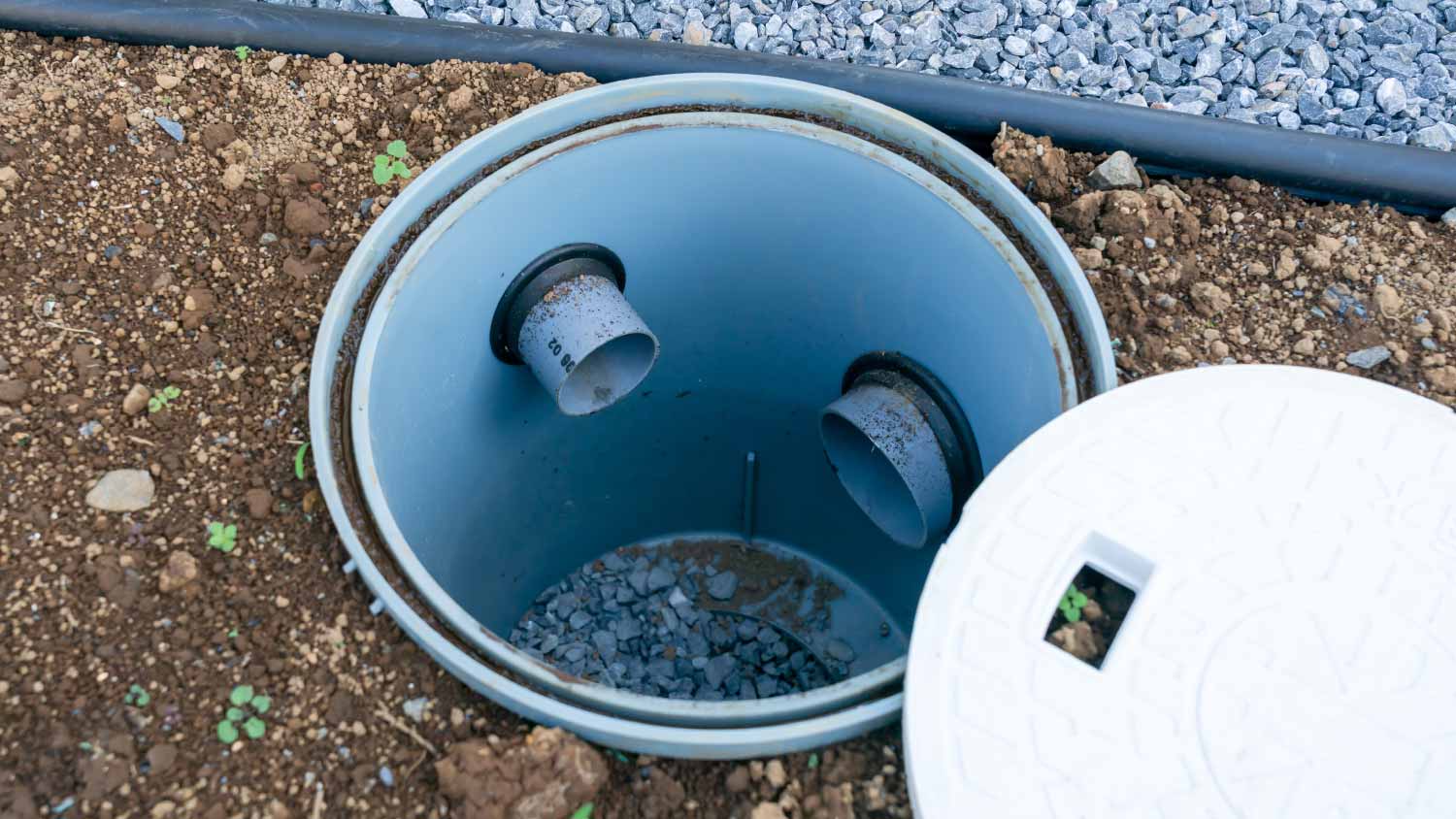
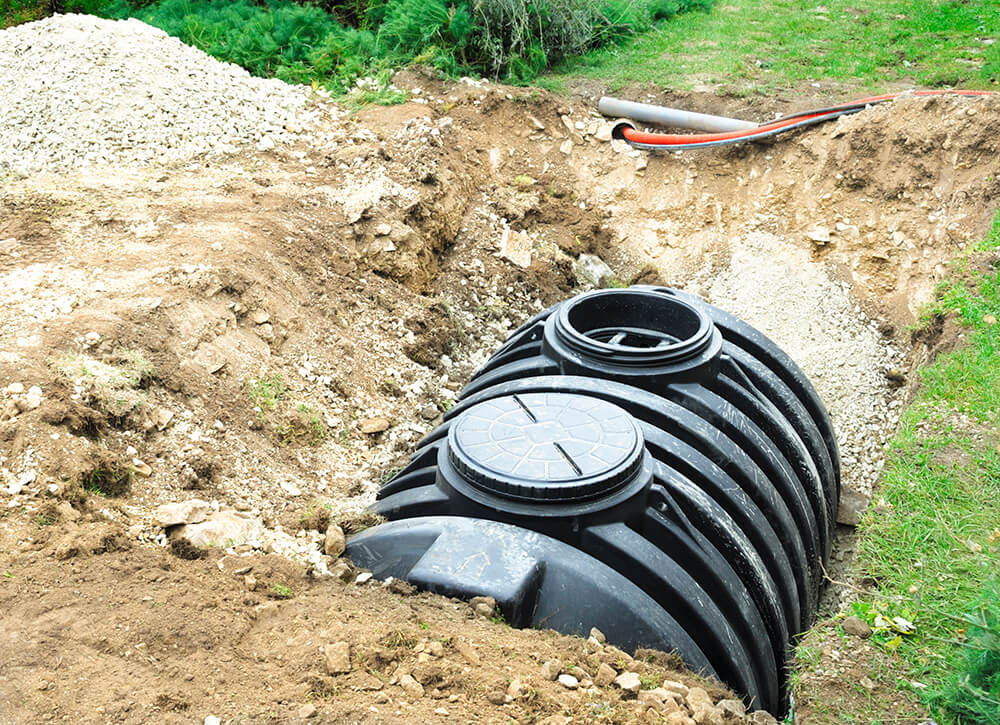
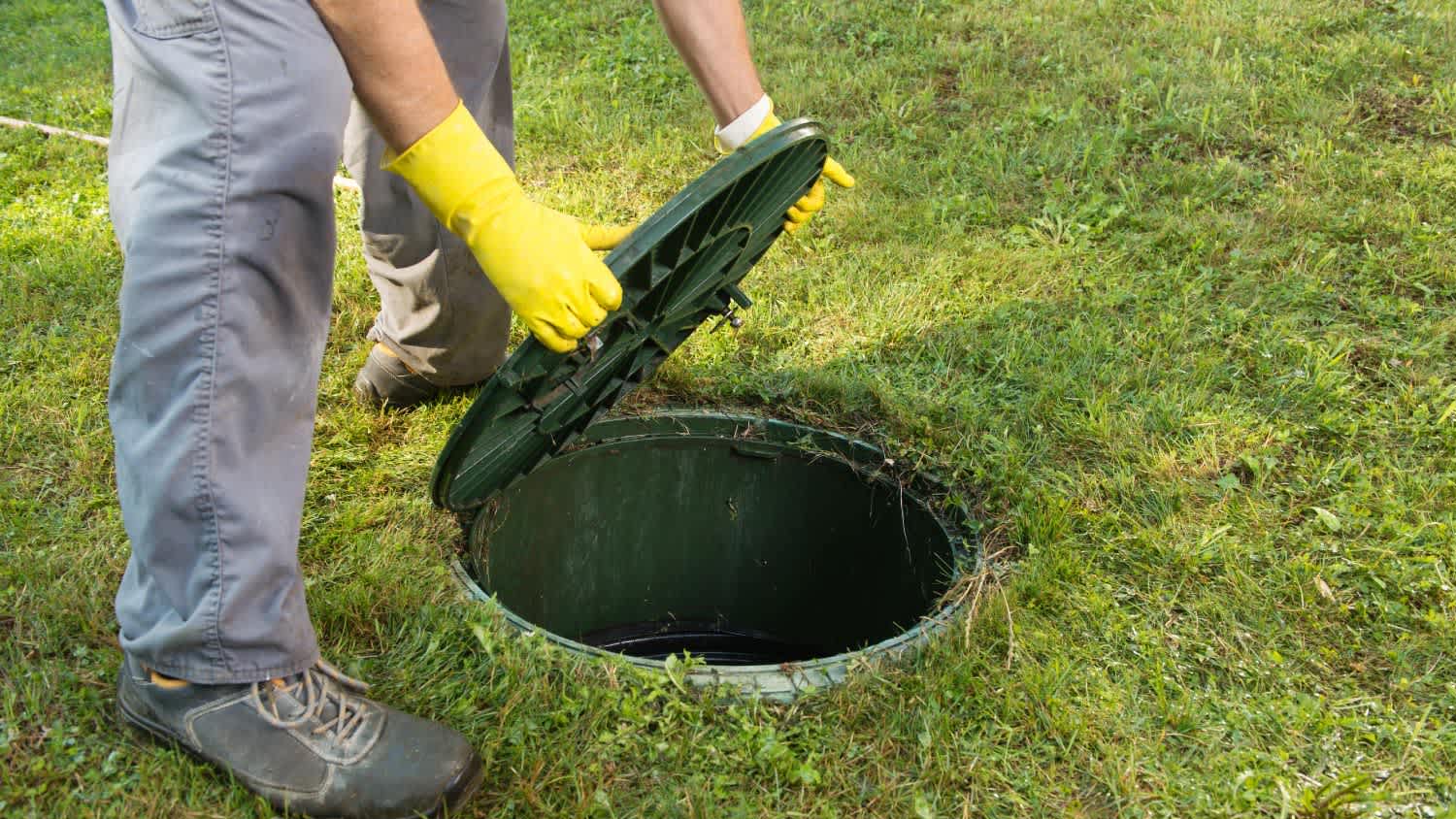
Most building projects and septic installations require soil testing to ensure proper drainage. Learn how much a perc test costs and what affects costs.
A perc test for septic analyzes the absorption rate of the soil where a tank is going to be installed. Learn more about the test, cost, and passing grades.