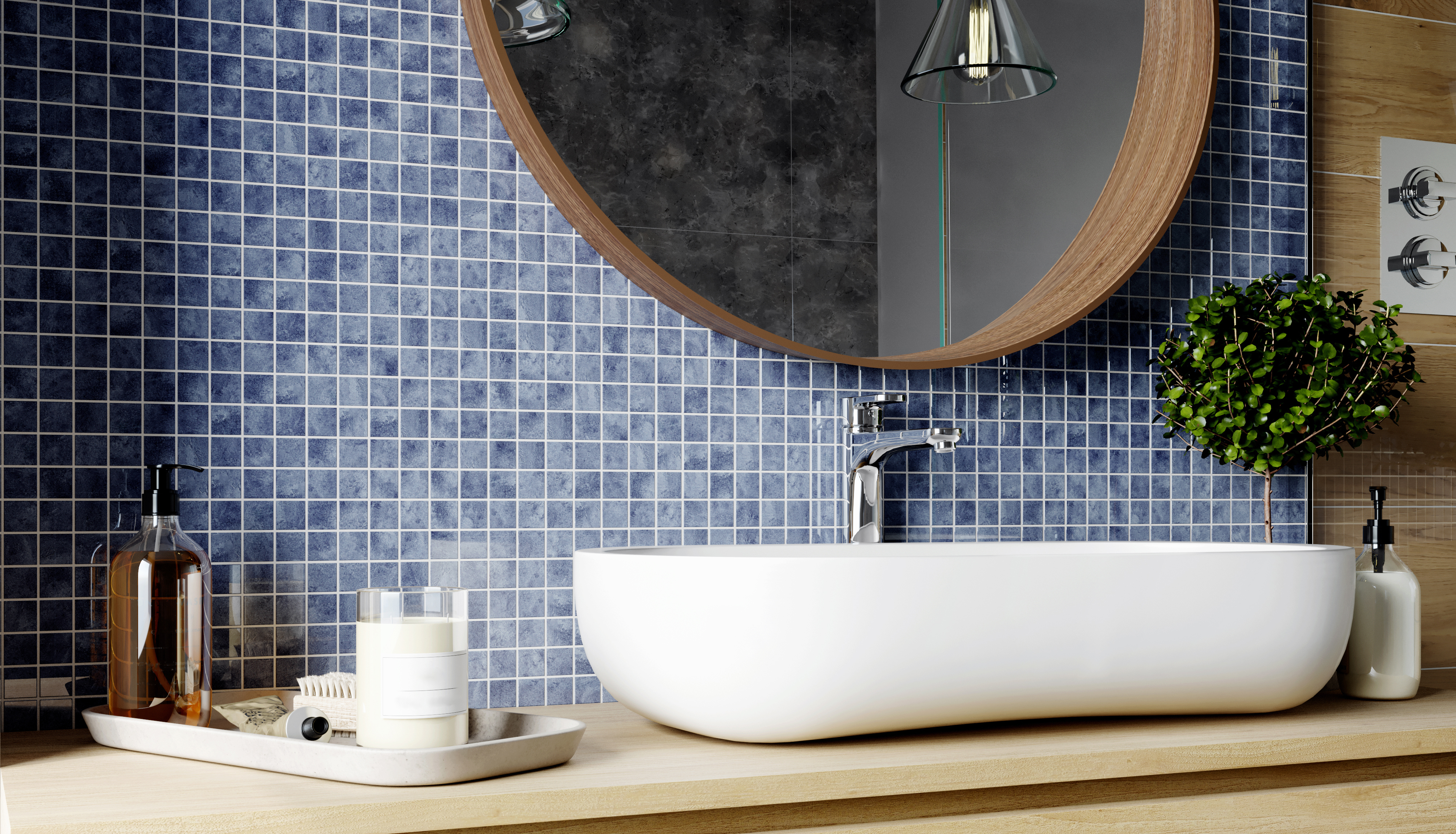


Top-rated ceramic tile pros.

Best ceramic tile pros near Millerstown, PA

Enter your zip and get matched with up to 5 pros

Need a pro for your ceramic tile service project in Millerstown, PA?

Select your specific project to find the pro for you.

Top-Rated Ceramic tile pros in Millerstown - Updated Nov 2026

Avatar for Belfry Builders, LLC
Belfry Builders, LLC
5.0(
5
)
Tile: Ceramic and Porcelain - Install - For Business

Serving Millerstown, PA and surrounding areas

Approved

Free estimates

Warranties offered

Credit card accepted

Belfry Builders is a Lancaster County–based construction firm that handles renovation and improvement projects from start to finish. We manage every part of the job, including demolition, siding, soffit and fascia, gutters, windows, doors, overhead doors, concrete, painting, and site work. You work with one point of contact who coordinates experienced, vetted trade partners, keeps the schedule moving, and makes sure the work is done right. Our background in commercial, industrial, and institutional construction means we bring the same planning, safety, and quality standards to every project, large or small. Belfry is fully insured, bonded, and SBE-certified, and we take pride in clear communication, honest pricing, and a clean, well-run jobsite. Serving Lancaster, Chester, Berks, and the surrounding counties.

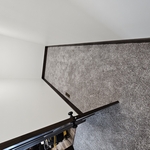
Locker Room
Locker Room
TCC Rendering
6 neighbors recently requested a quote

...
Showing 1-10 of 79
Ceramic Tile FAQs, answered by experts

Grout and caulk are commonly used together, especially in bathrooms. Grout goes between the tiles and keeps them sturdy and in place on the walls or floor. Caulk goes in corners or where two different materials meet (like where the bathtub meets the tile) to create a waterproof seal. However, they are not interchangeable—you shouldn't use caulk to adhere tile and shouldn’t use mortar if you need a waterproof seal.

Tile shouldn’t be set tight against the tub. Bathtubs can expand when filled, and they can shift slightly with the weight of occupants. For this reason, it’s important to leave a slight gap between the bathtub and the first row of tile. Aim for a narrow gap of approximately 1/16 of an inch, filled with caulk, to allow for this expansion and movement while still allowing for tile shower waterproofing.

The best trowel for penny tile is a 3/16-inch-by-5/32-inch V-notch trowel. Because of the small size of the penny tile, you want a trowel with small notches that can lay a thin layer of mortar on the surface you’re tiling. If the notches are too wide, you risk applying too thick of a layer of mortar, and it can squeeze out between the penny tiles.

The rule tells you how to cut tile to install it in a corner. The 3/4/5 rule recommends that you should have 3 feet across on one straight line, four feet on the other perpendicular line, and 5 feet of length from the end of one of the lines to the other. You’re making a right triangle with the tile, and the hypotenuse (the line across from where the 3-foot lie and 4-foot line meet) should be 5 feet long.

The underlayment determines a ceramic tile’s sturdiness, and a cement board or backer board works best. Be sure to tape the joints when using these materials, and consider laying it on top of a layer of thin-set for more stability.

The Millerstown, PA homeowners’ guide to ceramic tile services

From average costs to expert advice, get all the answers you need to get your job done.