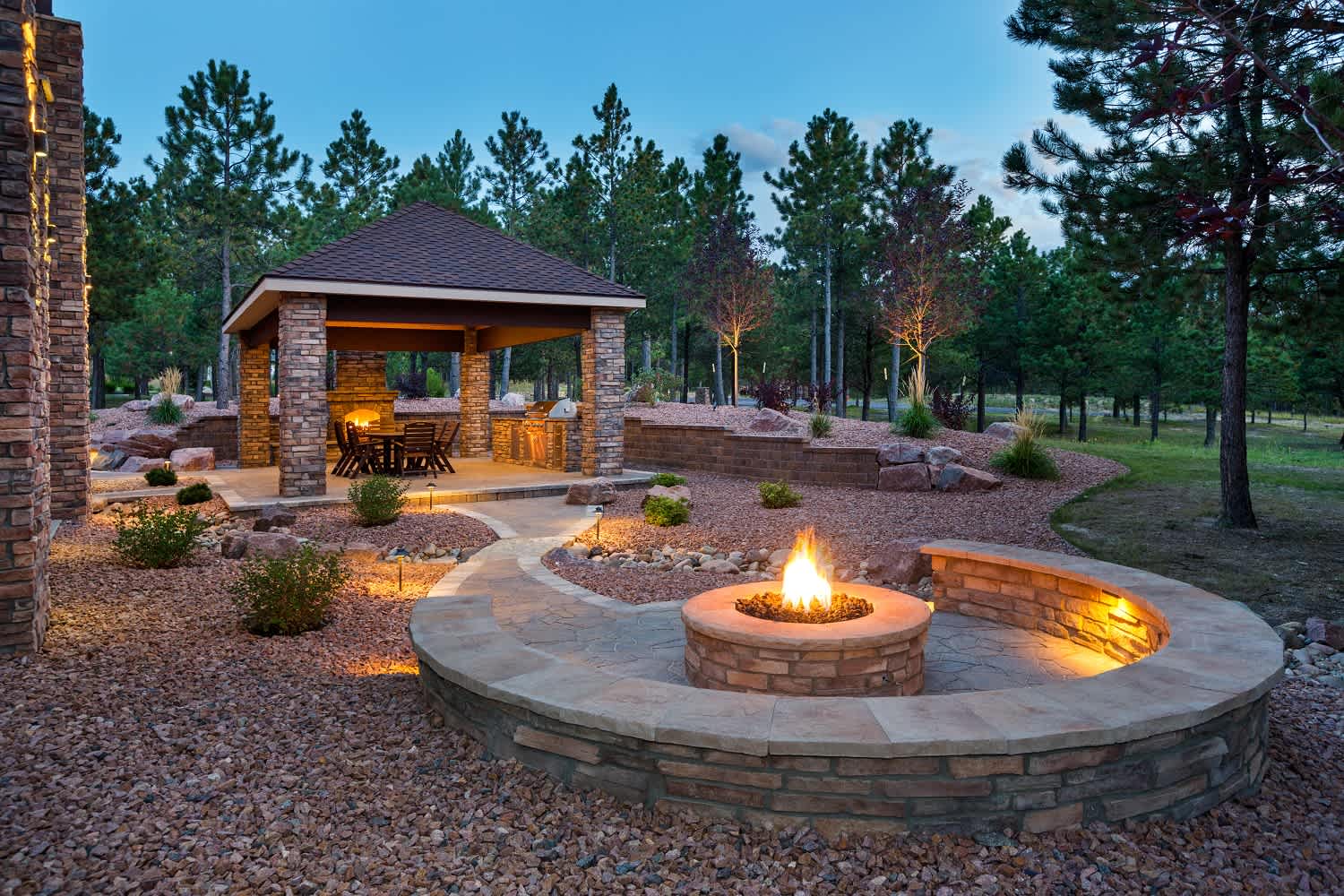






Top-rated fire pit installation pros.

Get matched with top fire pit installation pros in Mayfield, PA

Enter your zip and get matched with up to 5 pros

Need a pro for your fire pit installation project in Mayfield, PA?

Select your specific project to find the pro for you.

TRUSTED BY MAYFIELD, PA HOMEOWNERS

  • Average homeowner rating star icon3.5
    Average homeowner rating
  • Verified reviews icon80
    Verified fire pit installation services reviews

Find Fire pit installation pros in Mayfield

No results for Fire pit installation pro in

Try adjusting your search criteria.
Fire Pit Installation questions, answered by experts

Chimneys should either be sealed or waterproofed, which is different from sealing off—closing at both ends—a chimney. Waterproofing and sealing are both crucial steps to take to prevent water damage and the chimney leaking inside the house. While waterproofing is more comprehensive, both help safeguard your chimney, extending its life span and preventing expensive repairs. 

No, it is not safe to leave a propane heater on overnight. Even if you’re using the heater in a well-ventilated space, the heaters can emit carbon monoxide that can lead to fires. Be sure to fully turn off and secure the propane heater before clearing the area. 

Baseboard heaters are generally safe and efficient, but they can be dangerous if safety precautions are not followed. To ensure safety, do not block the heaters with furniture, drapes, open doors, or other items, and maintain clear space around them for proper heat flow. Regularly check that items have not fallen on or under the units. If you have children or pets, make sure they stay clear of hot heaters to avoid burns. For added safety, consider models with an automatic shut-off feature and have them professionally tested. If a problem occurs with a baseboard heater, always contact a qualified electrician or HVAC professional for repairs.

Depending on who’s doing the estimating, about 22,000 to 25,000 chimney fires happen each year in the United States. Given the fact that millions of Americans have fireplaces (and chimneys), that means chimney fires aren’t exactly common—but they’re not rare, either. Since they’re so dangerous, it’s important to take precautions to prevent them.

Yes, spider webs are flammable, taking them from minor household nuisance to something more dangerous. Silk boasts no built-in resistance to fire, though it takes an abundance of spider webs to actually catch fire and spread. A cobweb here and there poses no major fire safety risk, so it’s not a cause for concern.

The Mayfield, PA homeowners’ guide to fire pit installation services

From average costs to expert advice, get all the answers you need to get your job done.