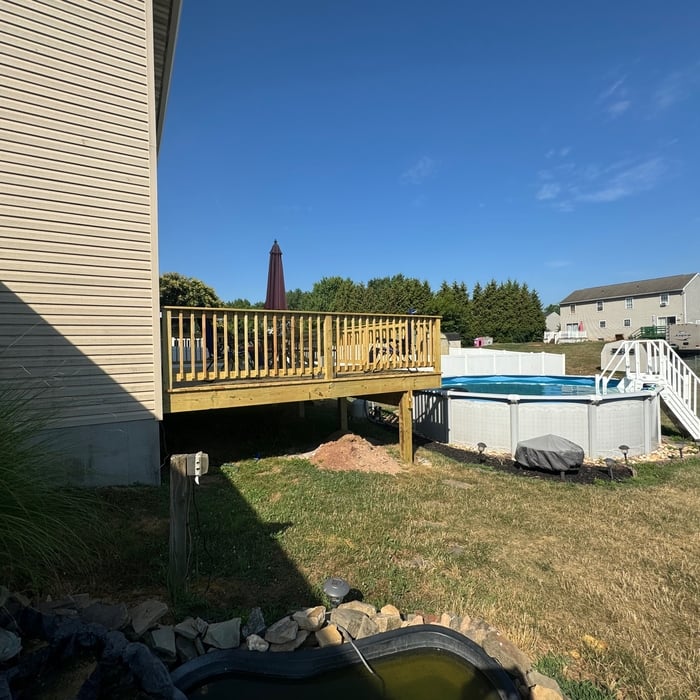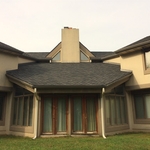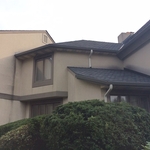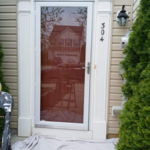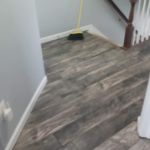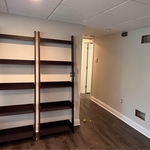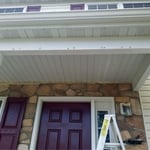


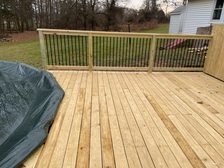





"Felix and Tammy did an excellent job staining the entire exterior of our cedar sided home. Their work was neat, clean and professional. Pleasant and easy to work with. Highly recommend. Would definitely hire them again."
"It was awesome! Juan was so nice and personable. I met him as he was staining my neighbors deck and asked if he would do mine. He came over, I picked a color and he came the next day and completed the job. It looks great! Totally satisfied. He does lots of other work and I’ll be hiring him again for sure."

"Mike gave me an estimate on my shutters repair the day after I requested his service (on Saturday). Shortly after, he came out and completed the repairs. He did a great job at a great price. Thank you Mike. I will use your service again."
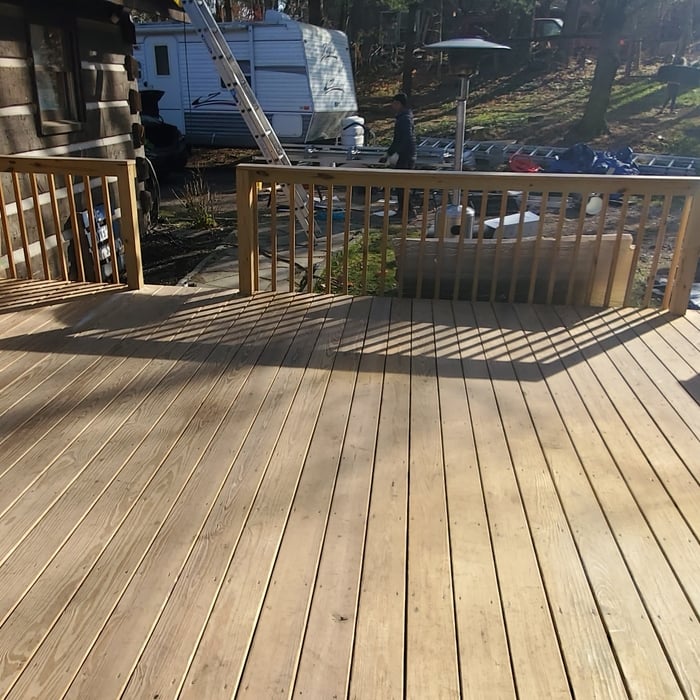
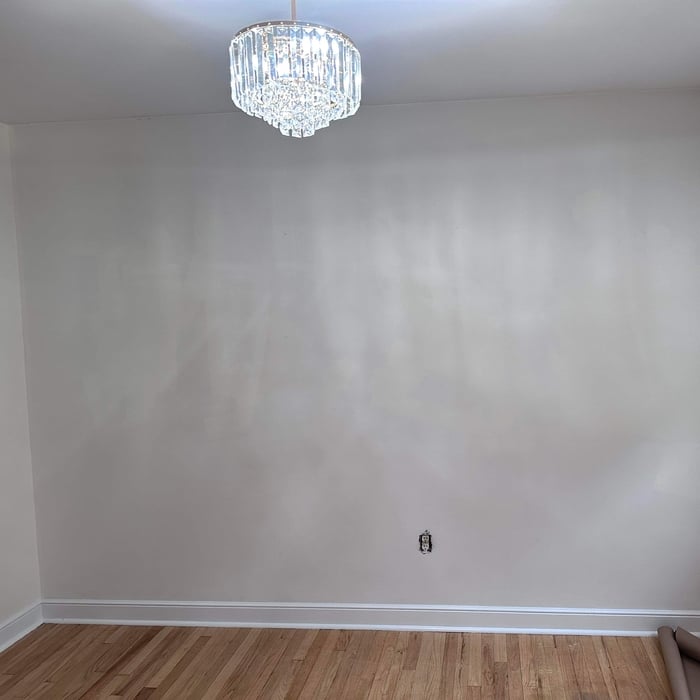
"We hired Rewind Time Painting to help us paint some empty apartments we clean for some property management companies. They are very reliable and thorough. His team makes the process of apartment turnovers very easy. I highly recommend this company."


"Had our porch painted and it went well! They were super efficient, got it done quickly, cleaned up well and even set the porch back up! Was very happy with the job. Thank you!"
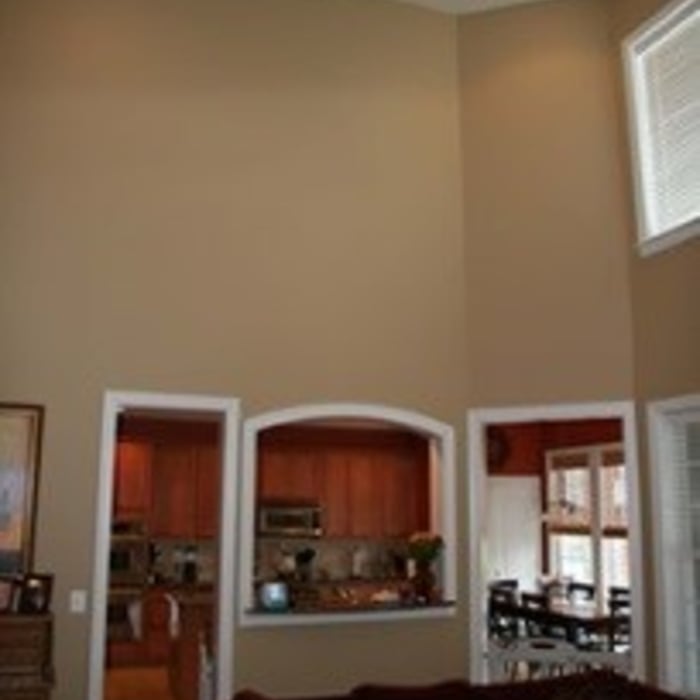
"They were very good at explaining the painting process. They were very helpful in picking the best colors for our rooms. The crew was always on task and willing to answer any questions. We will probably hire them to do some exterior painting."
No, it is not okay to paint over rotted wood. Painting over rotted wood will not address the underlying issue and can trap moisture, leading to further decay. Properly addressing the rotted wood by removing and replacing or repairing the damaged areas is necessary before you can even consider painting.
Wet-sanding and dry-sanding each have pros and cons. Dry-sanding is less messy, so it’s a good option if you’re trying to minimize dust (for example, if you’re sanding an occupied home or working with particularly dry or dusty drywall mud). However, dry-sanding is quicker because you don’t have to keep rinsing a sponge or wait for it to dry before painting.
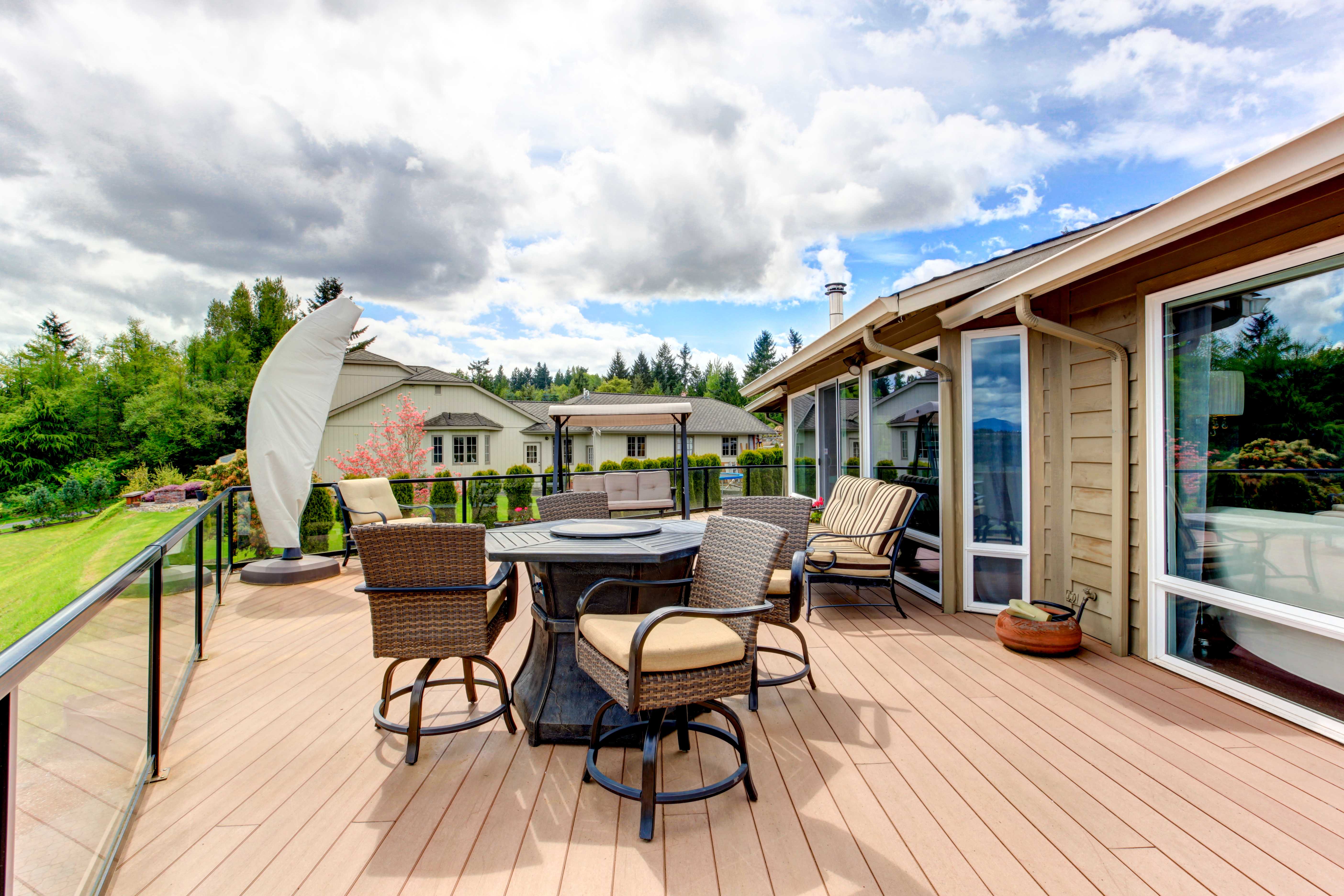
Avoid using cleaning products that are abrasive or contain bleach or acidic components on composite decking to avoid discoloration. Early-generation Trex decking isn’t designed to handle pressure washer cleaning—and if you use them on second-generation boards, always use a low setting to avoid the risk of damage that can risk voiding your warranty.
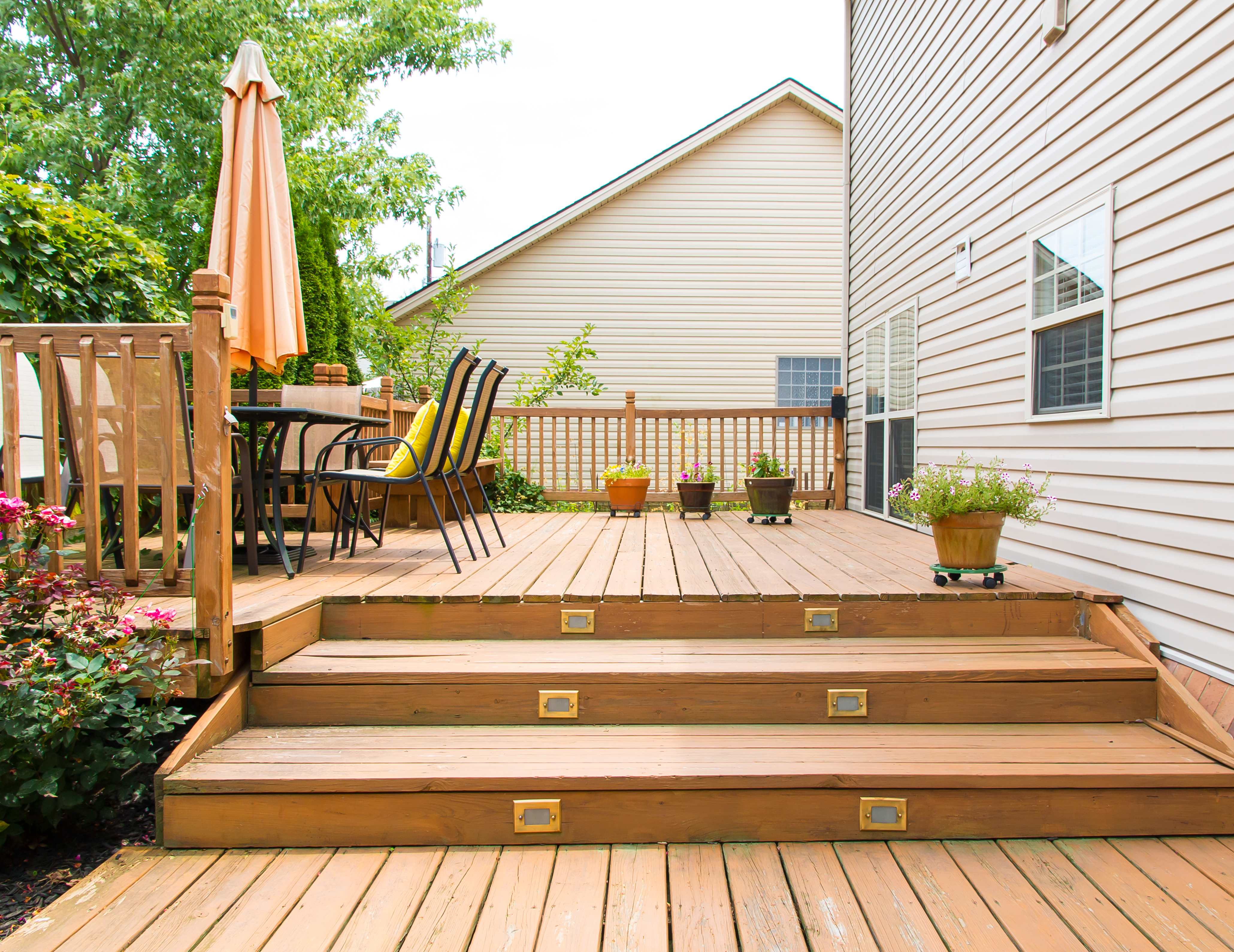
Wood stain is typically dry to the touch within 6 to 12 hours, but it is not fully cured at this point. You should wait at least 24 hours before applying a second coat or a protective finish. For surfaces like decks, avoid walking on them for at least 24 to 48 hours, and wait even longer before placing furniture. The full curing process can take from 24 hours to one week, depending on the type of stain. Factors like high humidity and cold temperatures can extend drying and curing times, so it's wise to allow for extra time in these conditions.
The general consensus is that two coats of stain are required and since the cedar is siding, a third coat of sealant is always a good idea. This helps protect the wood and stain, so you won’t need to resand and restain for at least a decade. Each stain after the first will darken the wood, so be aware of that when choosing a colored stain.
The Manchester, PA homeowners’ guide to deck staining services
From average costs to expert advice, get all the answers you need to get your job done.
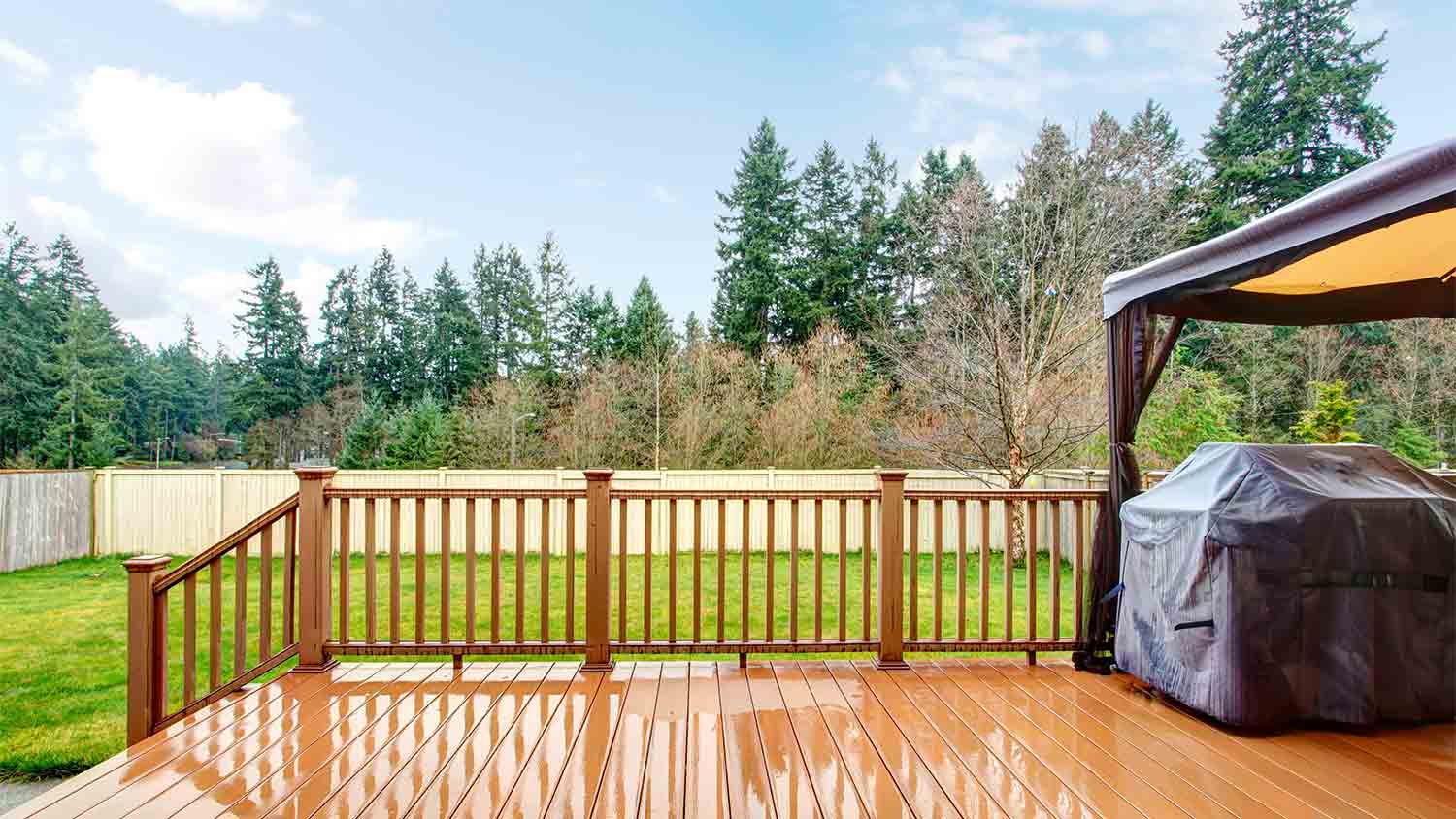
The best time to stain a deck is when it’s dry but not too sunny. How often you restain a deck depends on climate and wood type, but every two to three years is normal.