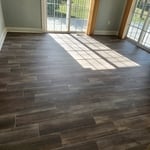
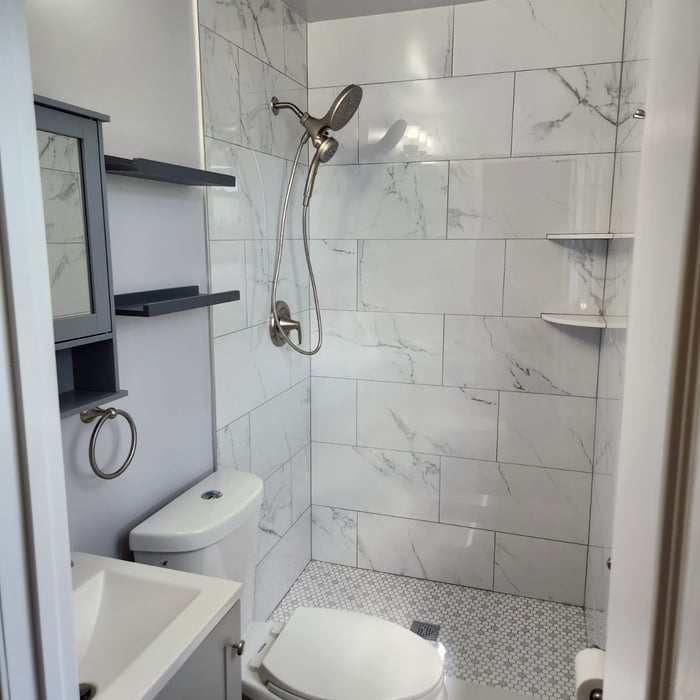
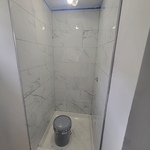
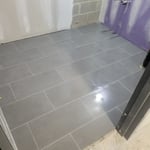
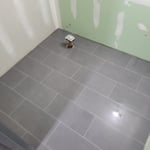
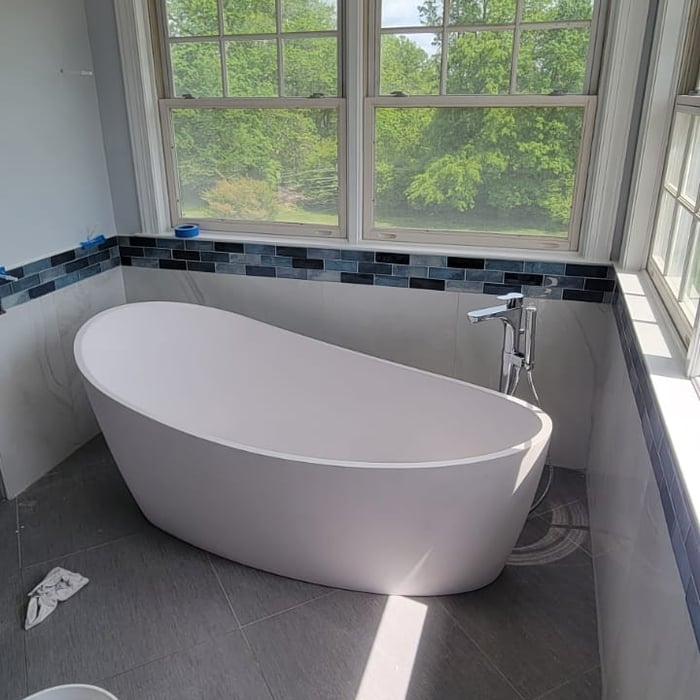
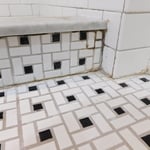
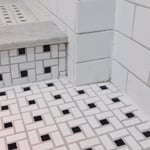
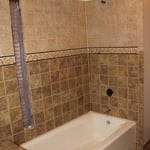
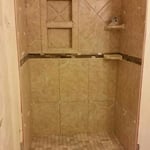
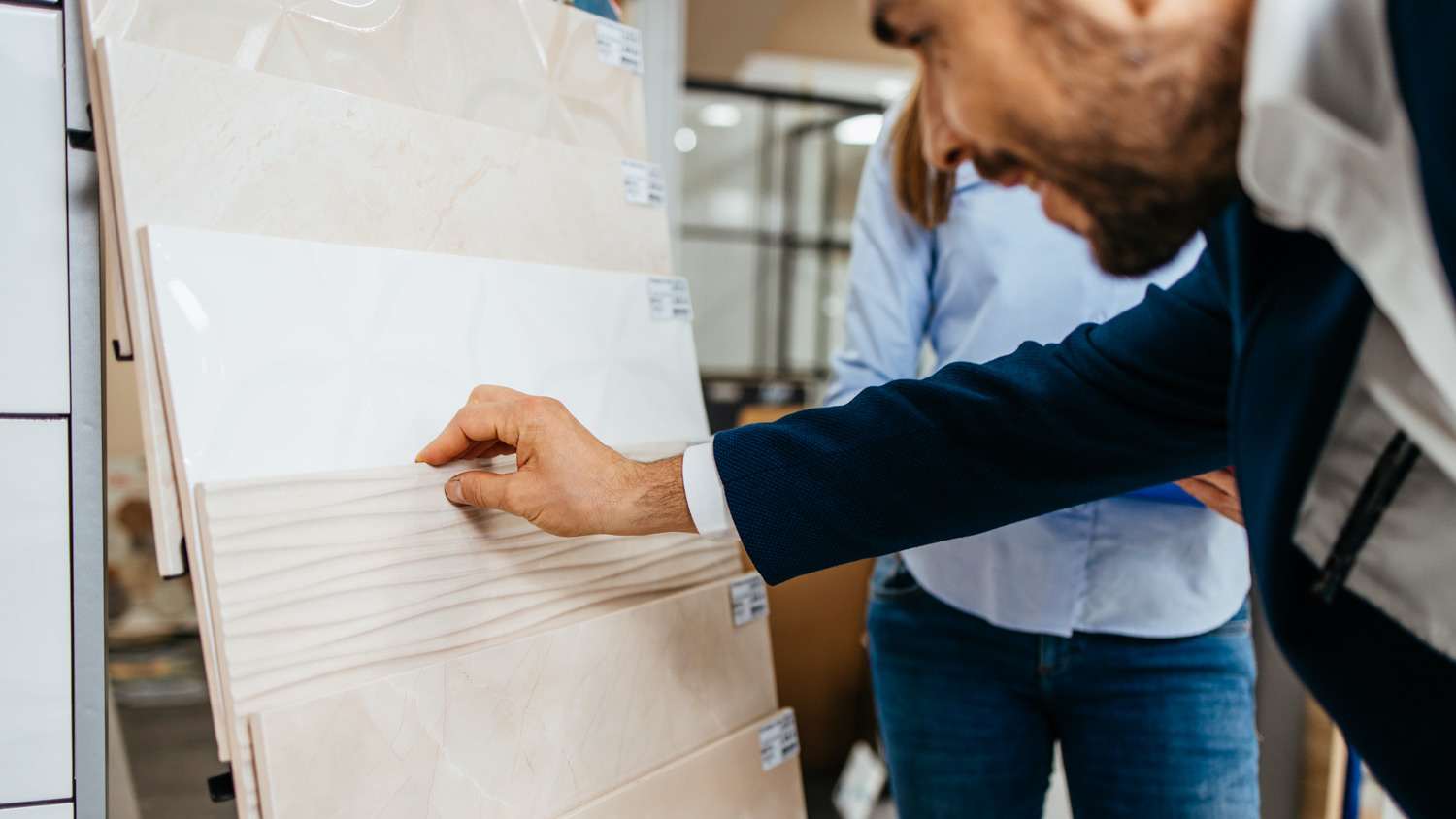
"Diego did an incredible job on our shower! We had to replace the floor and deep clean & seal the surrounding slate. Diego was detailed oriented, and generally great to have in our home. Would highly recommend ADJ construction and we will absolutely use Diego & his team again"
"Patrick Nance was the definition of professionalism. We were pleased with the services as well as the end results. He was friendly and knowledgeable and had the answers to all of our questions. We are going to acquire his services again in the near future."
"Our experience with Honesty Construction was great! Excellent communication, always arrived early and quality workmanship. We used them to remove an old patio door/install new door."
Belfry Builders is a Lancaster County–based construction firm that handles renovation and improvement projects from start to finish. We manage every part of the job, including demolition, siding, soffit and fascia, gutters, windows, doors, overhead doors, concrete, painting, and site work. You work with one point of contact who coordinates experienced, vetted trade partners, keeps the schedule moving, and makes sure the work is done right. Our background in commercial, industrial, and institutional construction means we bring the same planning, safety, and quality standards to every project, large or small. Belfry is fully insured, bonded, and SBE-certified, and we take pride in clear communication, honest pricing, and a clean, well-run jobsite. Serving Lancaster, Chester, Berks, and the surrounding counties.
"Excellent work. Jon installed three pieces for me-a large picture over my couch, a landing mirror, and a wall clock-and handled each one with precision. He found studs, used the right anchors, and double checked the leveling. He worked efficiently and made sure that I was happy with the placement. Highly recommended."
"Kitchen tile was in good shape but the grout was missing and cracked in places. They came in and cleaned tile and grout. Removed cracked grout and re-grouted in places. Then entire kitchen grout was sealed in the color I picked. Looks great now!"
"John was an easy-going person to work with. I could tell right away that he knew exactly what he was doing. He made recommendations to do a skim coat and gave it a day to cure. The next day he installed the tile and gave it another day to cure. The thi..."
When working on your bathroom floor tiling, you should always tile the floor first and then refit the toilet afterward. This has both practical and visual advantages—the tile will have a better seal, and the installation will look cleaner.
On the other hand, when you try to cut the tiles to fit around the toilet, you’re putting yourself at a disadvantage. It’s a lot more work, it’s hard to be precise, and mistakes or miscalculations can lead to future moisture damage to the tiling, grout, and subfloor.
Yes, tiling a bathroom is a great way to boost your home's value, especially if you are replacing old or dated flooring. Adding a new tile floor can deliver a return on investment (ROI) of around 56.4%, with some projects offering up to 100% ROI. Buyers appreciate new tile because it provides a modern look and is known for being durable, water-resistant, low-maintenance, and easy to clean. For the best results and highest return, consider hiring a professional, as tiling mistakes can be very noticeable and detract from the value.
Glass tiles are among the most difficult to install. This is because their transparency makes the adhesive visible, and any imperfections on the opposite side are also likely to be visible. Glass tiles also must be handled carefully during installation, as they are prone to scratching. For these reasons, glass tiles often require professional installation to get the most out of their beauty and unique look.
Deciding between using a shower pan or tile will likely come down to the shower’s design. You can learn how to install a shower pan liner, but it has a standard look similar to most other showers, though there is some flexibility for material and color choices. Tile, on the other hand, can be customized and is set directly into the shower base. However, a shower tile floor is more difficult to install than a shower pan.
Yes, you can tile a shower as a DIY project, and you can save hundreds of dollars in labor costs by doing so. However, you’ll need to rent or buy quite a few tools and supplies for the job, including a saw, tile nippers, and a new shower pan. In terms of the work itself, you should be prepared to tackle a variety of different tasks, including measuring and ordering materials, removing old tile, waterproofing the wall, adding rows of tile, grouting, and more.
The Landenberg, PA homeowners’ guide to ceramic tile services
From average costs to expert advice, get all the answers you need to get your job done.
Tiling a shower is an investment in the look and function of your home. This guide explains the factors behind the cost to tile a shower in Philadelphia, PA.
Find out the average bathroom tile repair cost in Philadelphia, PA. Learn what you can expect to pay for local tile restoration and fix your shower today.
Whether it’s on your floor, walls, or shower, ceramic tile can add style to your space. So, how much does ceramic tile installation cost? Let’s break it down.
Learn how to hire a ceramic tile repair professional with confidence. Discover essential questions, qualifications, and costs to find the right expert for your project.
Porcelain and ceramic tiles aren’t exactly the same. Discover the key differences between porcelain versus ceramic tile, including cost, durability, and more.
Ceramic tile as a flooring option boasts a long list of advantages over other surfaces. However, there are also some key drawbacks worth considering. We’ve rounded up both the pros and the cons of ceramic tile into a helpful list.