







Top-rated arborists.

Get matched with top arborists in Kingston, PA

Enter your zip and get matched with up to 5 pros

Need a pro for your arboricultural service project in Kingston, PA?

Select your specific project to find the pro for you.

TRUSTED BY KINGSTON, PA HOMEOWNERS

  • Average homeowner rating star icon4.5
    Average homeowner rating
  • Verified reviews icon77
    Verified arboricultural services reviews

Find Arborists in Kingston

Avatar for Lawn lovers landscaping
Lawn lovers landscaping
New to Angi
Tree Removal - For BusinessTree Stump - Remove - For BusinessTree Trimming - For Business

Serving Kingston, PA and surrounding areas

Approved

I'm Darren I have 10 years of construction experience I'm OSHA certified I offer many services including lawn and property maintenance, tree service, junk removal, excavating and more. I service Scranton Pa, wilkesbarre Pa, Tunkhannock PA, and surrounding areas and also Binghamton NY vestal NY, and owego NY, \n

Ramos Landscaping & Tree Services LLC
5.0(
6
)
Tree RemovalTree Removal - For BusinessTree Stump - Remove+5 more

Serving Kingston, PA and surrounding areas

Free estimates

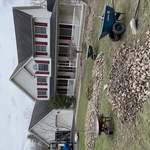
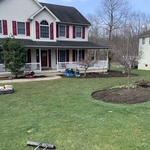
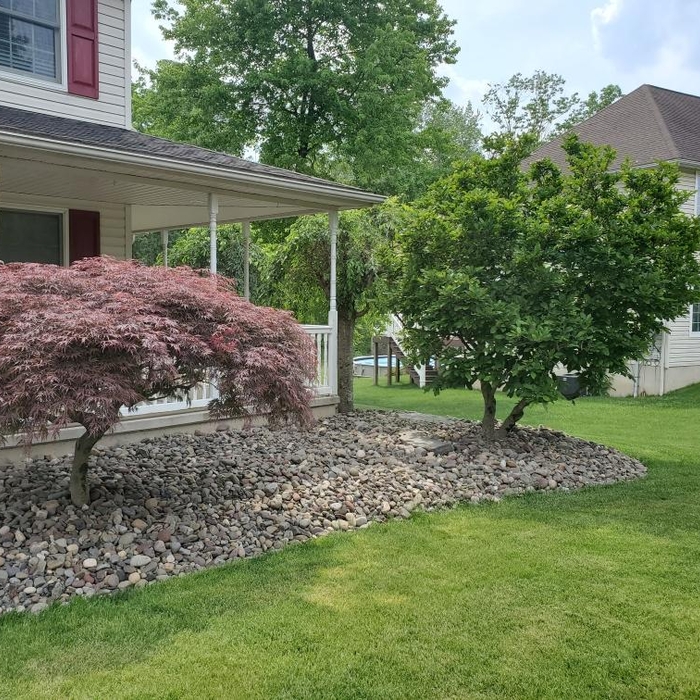
"Josue was quick to get back to me on my request, he and his workers were able to remove 3 trees in my yard and did some amazing landscaping work in my front yard! I would definitely hire again! I recommend going with this company if you’re looking for tree removal! They did an excellent job!!!"
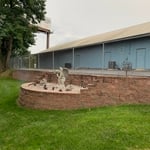
Landscaping Project
Landscaping Project
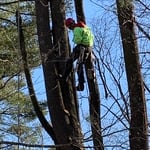
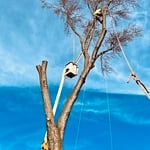
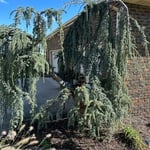
Additional Photos
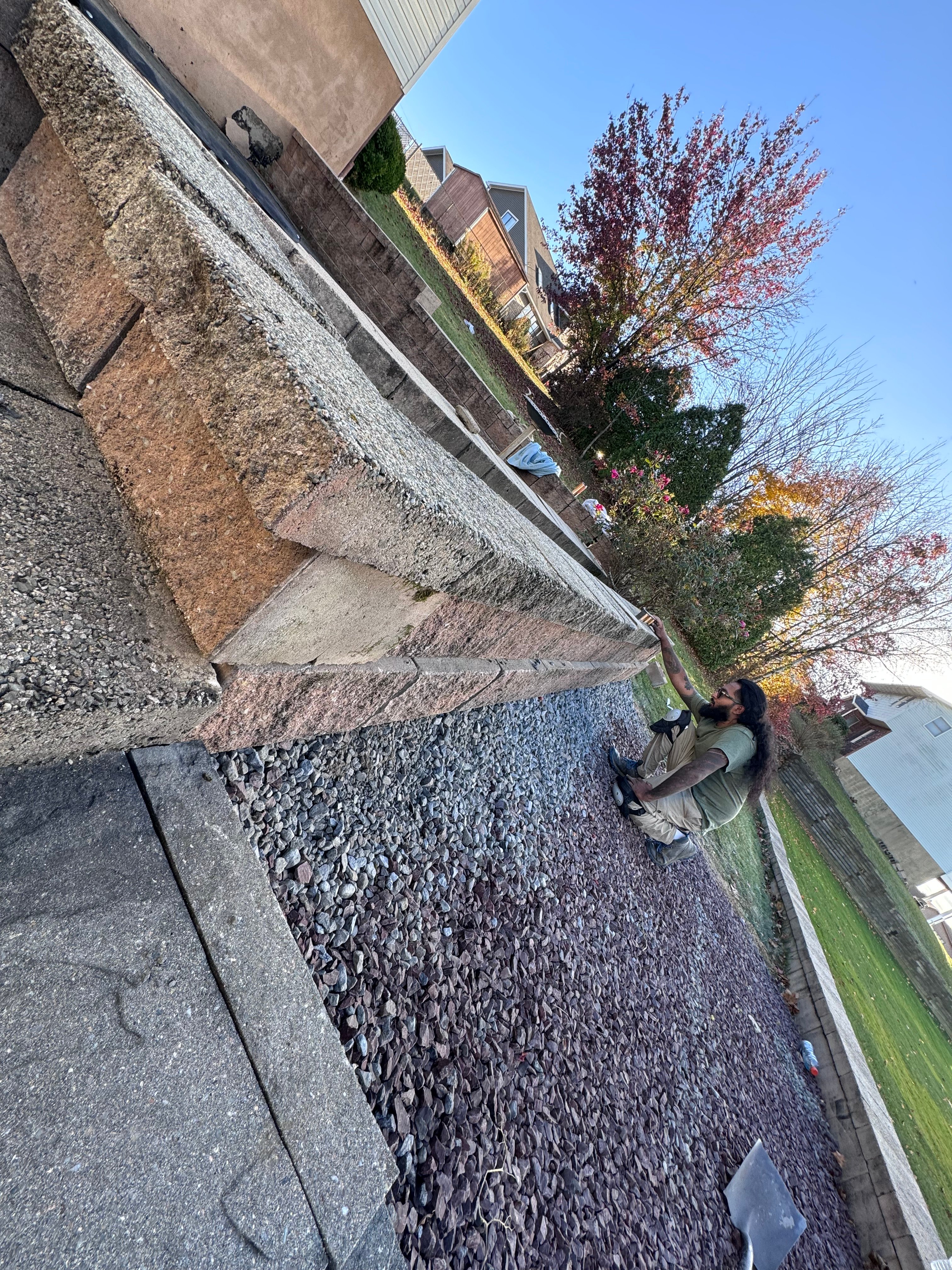
Additional Photos
Additional Photos

+22

Recommended by100%of homeowners
...
Showing 1-10 of 100
Arborists questions, answered by experts

It is possible to cut down a tree on your property yourself, but it is generally not recommended unless specific conditions are met. You should only consider this project if the tree is small (e.g., under 4-5 inches in diameter and short enough that you don't need a ladder to reach the branches), and you are experienced in handling a chainsaw. The tree must also be located far from any power lines, fences, homes, or other structures. Even for small trees, the work can be dangerous, and it's always advisable to have a spotter to ensure the tree falls correctly and no branches fall on you.

For any tree that is large, requires a ladder to access, or is near electrical lines or structures, you should always hire a professional. Attempting to remove a large tree yourself is extremely dangerous, poses a risk of serious injury, and could result in significant damage to your property.

Before any tree removal, it's also important to check your local and state regulations to ensure the tree is not historic or otherwise protected by your city.

Dead trees are dangerous for several reasons. They are structurally compromised and prone to branch or trunk failure, which can pose a significant safety risk to people, vehicles, and nearby structures. Dead trees can also harbor pests like termites, which may spread to other trees or your home. If a tree died from a disease, it could spread the illness to healthy trees. Additionally, the dry wood is highly flammable, increasing fire risk.

Lightning can cause massive damage, fires, and openings for other threats like bugs or fungal diseases. Barring any large fires or explosions, it’s difficult to tell how much damage a lightning strike has done until after a thorough inspection. Contact local authorities immediately if lightning strikes a tree in your yard and it causes a fire or explosion.

If it’s your property, then you can plant a tree near power lines, but it’s not the best idea. Any vegetation that grows within 10 feet or so of power lines will fall under the responsibility of the utility company, and they may trim or remove it as necessary. If you do move forward with your plan, try to choose a smaller ornamental tree, plant it as far away from the power lines as you can, and keep it trimmed to avoid future problems.

The best time to transplant a tree is when it is dormant. For many trees, this means either in the fall after the leaves have dropped (around October or November) or in early spring before new growth begins (around March). The ideal timing can depend on the type of tree. Deciduous trees do well when moved in early spring or fall, while evergreens are best transplanted in early spring or late summer. For example, pine trees are best moved in early fall, but maples prefer late fall. Avoid transplanting in winter, as the frozen or hard, cold soil poses a significant risk to the roots and prevents the tree from acclimating properly.

The Kingston, PA homeowners’ guide to arboricultural services

From average costs to expert advice, get all the answers you need to get your job done.