





Top-rated excavation pros.

Best excavation pros near Coal, PA

Enter your zip and get matched with up to 5 pros

Need a pro for your excavation project in Coal, PA?

Select your specific project to find the pro for you.

Top-Rated Excavation pros in Coal - Updated Nov 2026

Avatar for E&M land services
E&M land services
New to Angi
Building Site - Preparation and Clearing

Serving Coal, PA and surrounding areas

Approved

Free estimates

Emergency services offered

Small jobs welcome

Hello All,\n\nWe'd like to welcome you to the E&M family. \n\nWe are a small Christian family owned company, we strive to not only serve our customers but also our community.\n\nHere at E&M we specialize in a wide variety of services like, brush mowing/land clearing, driveway repair and grading, excavation, and snow removal.\n\nWe thank for checking us out and we look forward to serving you!

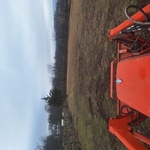
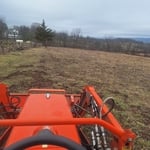
Brush mowing
Brush mowing
Brush mowing
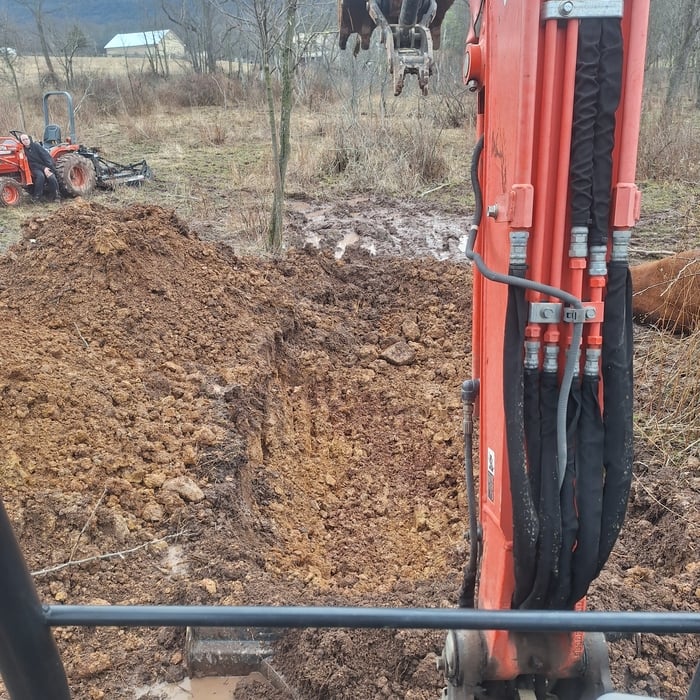
Livestock burial
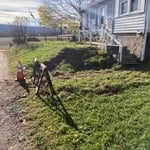
Starting the dig

+13

Avatar for Spencer Enterprises
Spencer Enterprises
New to Angi
Building Site - Preparation and ClearingExcavation - Major Grading or Resloping - For BusinessBuilding Site - Preparation and Clearing - For Business

Serving Coal, PA and surrounding areas

Approved

In business since 2024

Free estimates

Offers commercial services

Spencer Enterprises is committed to excellence in every aspect of our business. We uphold a standard of integrity bound by fairness, honesty, and personal responsibility. Our distinction is the quality of service we bring to our customers. Accurate knowledge of our trade combined with ability is what makes us true professionals. Above all, we are watchful of our customers' interests, and make their concerns the basis of our business. \n

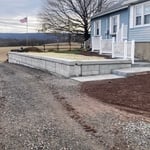
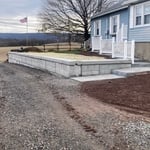
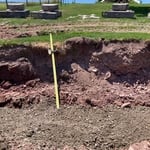
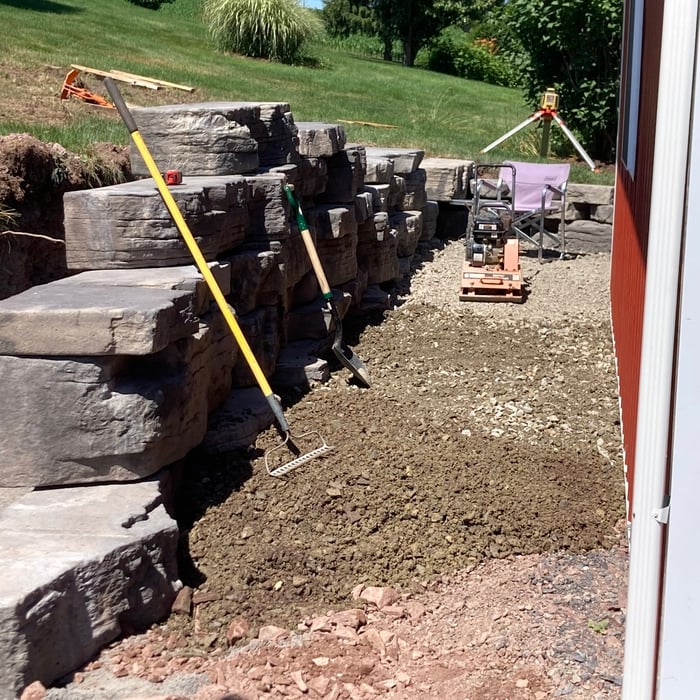
Garage pad site
Garage pad site
Garage pad site
Garage pad site
Garage pad site

+8

8 neighbors recently requested a quote
...
Showing 1-10 of 66
Excavating FAQs, answered by experts

There are several methods to hollow out a tree stump, and the best one depends on your tools, experience, and priorities. Common methods include using a chisel and hammer, a chainsaw, or burning.

  • Chisel and Hammer: This is often considered the easiest approach for those with limited tools or experience, though it is the most time-consuming.

  • Chainsaw: Using a chainsaw is the fastest method, but it comes with significant safety risks, especially for inexperienced users.

  • Burning: This can be an effective method, but it is not recommended unless you can first drill holes into the stump. Without holes, the stump will be difficult to light and may not burn completely through.

A power drill with at least a ⅜-inch diameter bit can make the job quicker and easier, regardless of the primary method. While you can use a chisel or chainsaw without a drill, it will require more time and effort. Always wear protective goggles and thick gloves, as splinters are an inevitable risk.

Tree experts don’t advise against digging through tree roots, but instead encourage caution and consultation with a local arborist to make sure you don’t damage the tree’s structure or interrupt its water or nutrient intake. An arborist can recommend specific practices when digging and help prune the roots or dig a trench for utilities with a tool that can remove soil without touching the tree’s roots.

Prior to excavation, you should prepare the dig site and call 311 before you sign anything.

To get your site ready for excavation, you should move anything in the area that isn’t affixed to the land. You can save money on the excavation by removing hardscaping, including walkways, decks, concrete patios, and paver patios.

Before you carry out any digging, you should call 311 to confirm that there are no utility lines running through your excavation site. Skipping this step could lead to severe injury and property damage if your excavator hits a water, sewage, or gas line.

Yes, you can excavate in the winter, but it might make the job harder. Frozen ground is harder to dig, and snow or ice can make the work site more hazardous. A contractor may need special equipment and techniques, such as ground-thawing methods, to break through frozen soil. Although winter excavation is possible, it may take longer and be more costly than excavating during warmer months.

Sewer lines can be buried anywhere from 18 inches to 8 feet deep, with a common average depth between 18 and 30 inches. The exact depth depends on local factors like climate and soil type. In colder regions, pipes must be buried deeper (below the frost line) to prevent freezing, sometimes as deep as 8 feet. The digging depth can also impact the cost of sewer line replacement. To find the specific depth for your property, you can check the building plans for your system, which should be on file with your city or local sanitation department since permits are required for installation.

The Coal, PA homeowners’ guide to excavation services

From average costs to expert advice, get all the answers you need to get your job done.