


Fire Pit Installation questions, answered by experts
Although no heating appliance can be entirely risk-free, a fireplace insert is considered a safer alternative to a traditional open fireplace, thanks to their enclosed design. With a sealed combustion chamber, a fireplace insert effectively reduces the risk of sparks and embers escaping into the room, minimizing the chance of an accidental fire.
Additionally, an insert comes equipped with various safety features, such as tempered glass doors that create a barrier between the flames and the surrounding space. This enhances both safety and energy efficiency by preventing heat loss. As an added bonus, many inserts are designed to meet strict safety standards that ensure proper ventilation and combustion.
Yes, a faulty or broken light switch can be a serious fire hazard. Malfunctioning switches often result from loose wiring, exposed connections, or other electrical problems that can cause overheating or sparking. Warning signs include crackling, popping, or hissing sounds when you flip the switch, which indicates live electricity that could ignite nearby flammable materials. If you suspect your light switch is faulty, immediately turn off the power at the circuit breaker and contact a qualified electrician to remedy the issue.
Baseboard heaters are generally safe and efficient, but they can be dangerous if safety precautions are not followed. To ensure safety, do not block the heaters with furniture, drapes, open doors, or other items, and maintain clear space around them for proper heat flow. Regularly check that items have not fallen on or under the units. If you have children or pets, make sure they stay clear of hot heaters to avoid burns. For added safety, consider models with an automatic shut-off feature and have them professionally tested. If a problem occurs with a baseboard heater, always contact a qualified electrician or HVAC professional for repairs.
Certified fire door inspectors should inspect fire doors. These professionals receive training to specifically assess the condition, functionality, and compliance of fire doors. They often hold credentials from groups like the Door and Hardware Institute (DHI) or the International Fire Door Inspector Association (IFDIA). While fire marshals won’t usually do hands-on inspections, they’ll check that doors are being maintained properly during routine safety audits. If a building relies on fire doors for code compliance, it needs someone who understands the details—the difference between a cosmetic issue and a safety failure—and standards to sign off with confidence.
A chimney requires both a cover and a cap, but these parts often get confused with one another. A chimney cover seals the top of the chimney around the flue pipe to prevent water from entering the chimney. A chimney cap is a piece that sits above the flue to prevent animals, debris, and water from entering the flue.
The Cabot, PA homeowners’ guide to fire pit installation services
From average costs to expert advice, get all the answers you need to get your job done.
A fire pit installation costs $850 on average but can vary by size, fuel type, materials, and more. See how much you need to budget for a new fire pit.
Discover fire door cost data, including installation, materials, and tips to save. Learn what impacts fire door pricing and how to budget for your project.
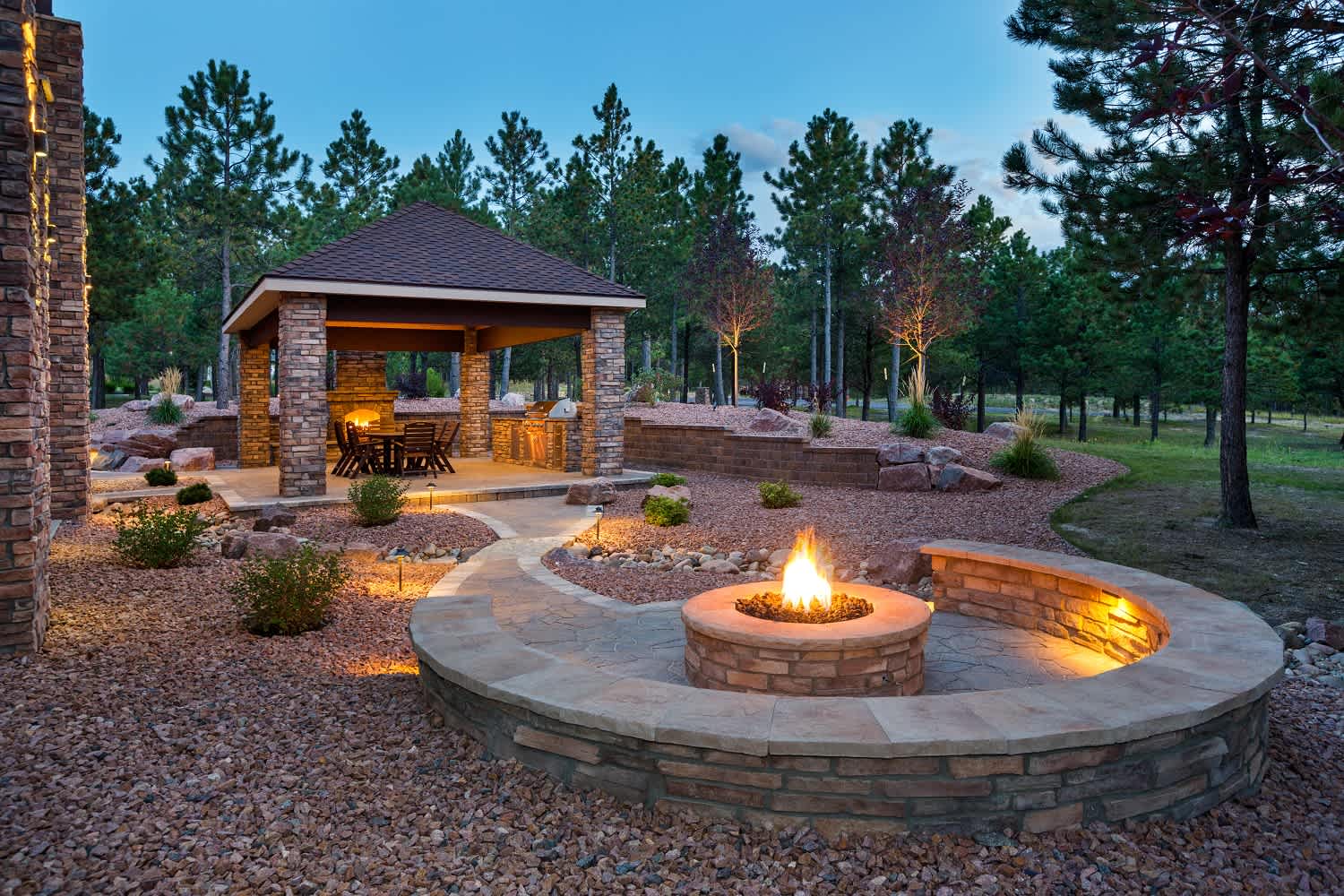
A fire pit adds attractive entertainment space to your backyard. Learn about standard fire pit dimensions and what factors contribute to fire pit size.
Learn how to enjoy the unique experience of lighting a fire pit in your backyard while staying safe and not letting a single ember get out of your control.