


Top-rated lead testing and removal specialists.

Get matched with top lead testing and removal specialists in Austin, PA

Enter your zip and get matched with up to 5 pros

Need a pro for your lead testing and removal project in Austin, PA?

Select your specific project to find the pro for you.

Find Lead testing and removal specialists in Austin

No results for Lead testing and removal specialist in

Try adjusting your search criteria.
Lead Testing and Removal questions, answered by experts

DIY kits are available for basic air quality testing, but professional services provide more comprehensive results and recommendations. While a DIY kit may seem cost-effective, a professional assessment is more thorough. Inspectors are better equipped to catch all pollutants and hazards, and you'll still need a professional to verify and act on DIY test results. Furthermore, some kits don't test for certain pollutants or only detect their presence without measuring specific levels (like mold spores). It's generally better to opt for a detailed professional assessment.

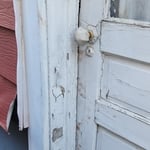
While not all homes built before 1978 contain lead paint, enough do, so you’ll still want to test to be on the safe side. The federal government banned lead-based paint for homes in 1978, but your state may have banned lead before that time. Around 24% of homes built between 1960 and 1977 contained lead-based paint, while 87% of homes built before 1940 contained lead-based paint.

Lead testing in residential properties involves collecting samples from paint, dust, soil, or plumbing and analyzing them in certified laboratories to accurately identify lead levels.

The average cost of a lead paint inspection is about $600, but it can cost as low as $150 or as much as $800, depending on the size of the area, geographic location, and the inspection methods. Some of the most common lead paint inspection methods include:

  • Visual inspection: $150–$400

  • Paint sampling: $200–$600

  • X-ray fluorescence (XRF): $250–$700

  • Risk assessment: $300–$800

With regular testing, treatment, and maintenance, water from a community well should be safe to drink. Unfortunately, the EPA does not regulate private wells, and contamination can happen. 

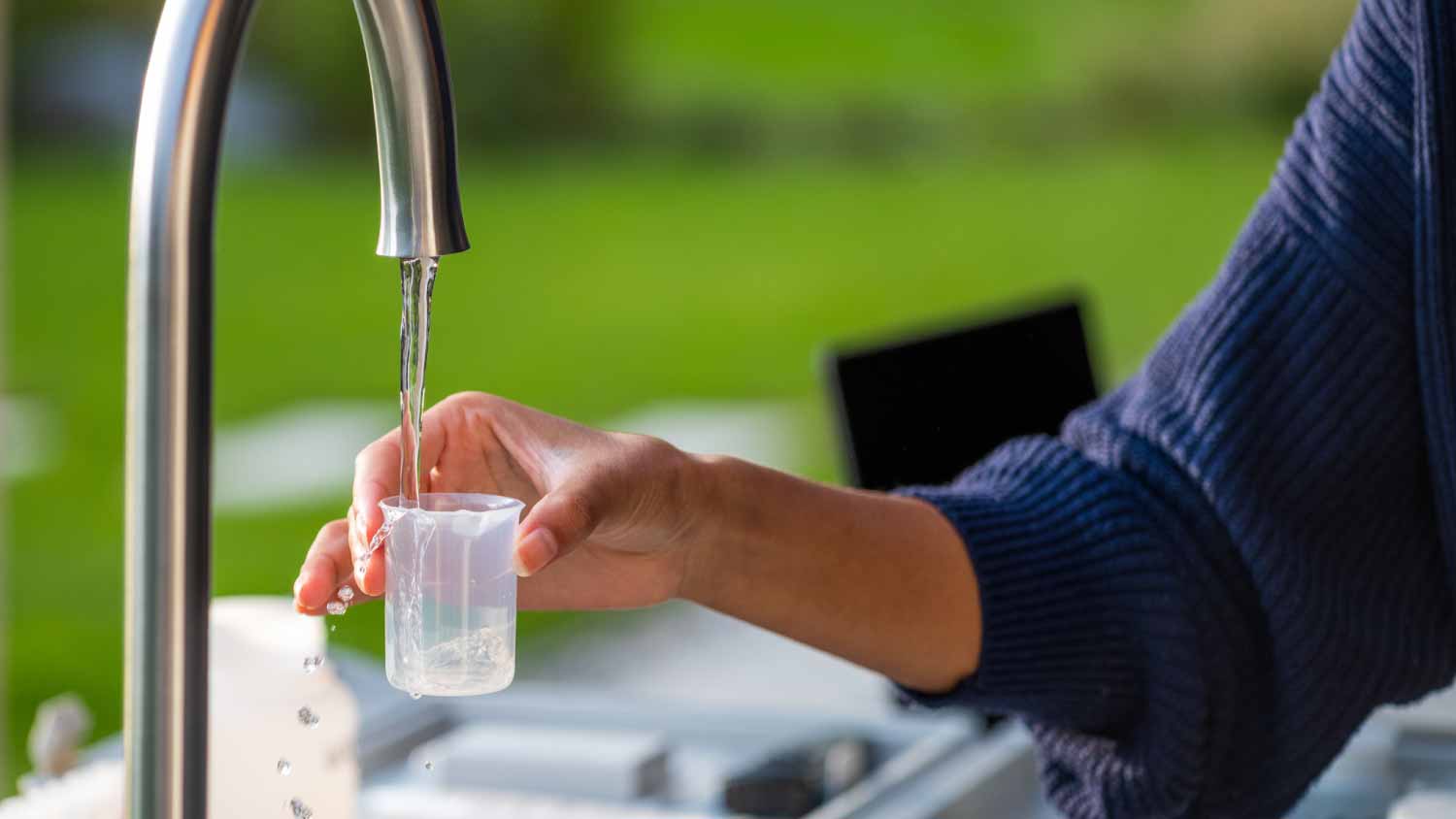
If you have doubts about the quality and safety of your drinking water, you have options for testing. You can pick up kits from your local home supply store or harvest samples and send them to a local testing facility. To get the most complete water quality testing and system diagnosis, seek a local well professional. They know what to test for and can recommend and implement a longer-lasting solution.

The Austin, PA homeowners’ guide to lead testing and removal services

From average costs to expert advice, get all the answers you need to get your job done.