

Top-rated arborists.

Best arborists near Ashland, PA

Enter your zip and get matched with up to 5 pros

Need a pro for your arboricultural service project in Ashland, PA?

Select your specific project to find the pro for you.

TRUSTED BY ASHLAND, PA HOMEOWNERS

  • Average homeowner rating star icon5
    Average homeowner rating
  • Verified reviews icon12
    Verified arboricultural services reviews

Top-Rated Arborists in Ashland - Updated Nov 2026

Avatar for JSV Contracting
JSV Contracting
5.0(
5
)
Tree Removal - For Business

Serving Ashland, PA and surrounding areas

Approved

In business since 2005

Free estimates

Small jobs welcome

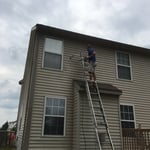
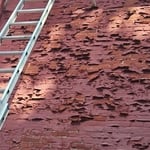
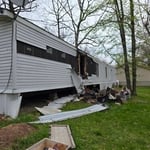
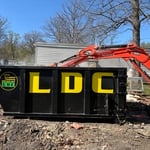
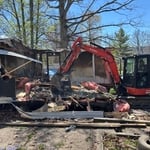
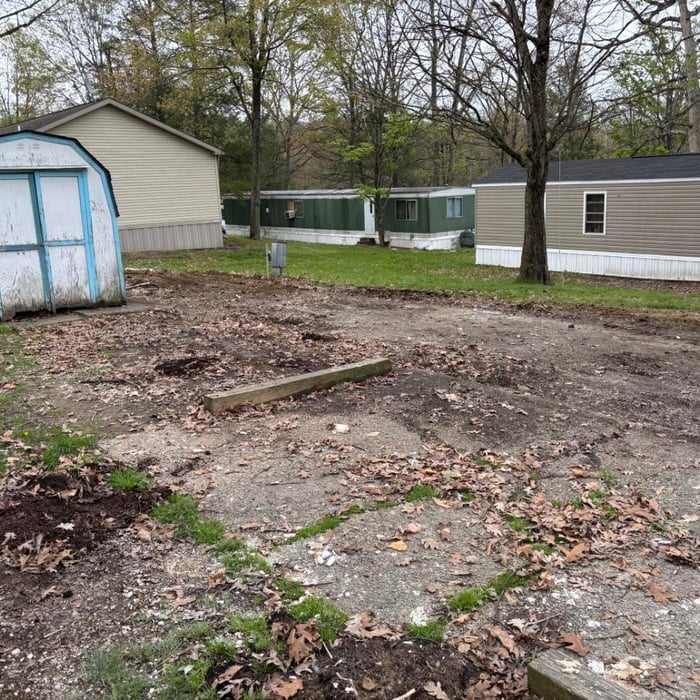
"I got a very efficient and professional job done. I was very happy and highly recommend them. My home caught fire. The structure was removed in less than two days."
Demolition of mobile home

+1

6 neighbors recently requested a quote
Recommended by40%of homeowners
Avatar for Small Backhoe & Hauling Services
Small Backhoe & Hauling Services
5.0(
2
)
Tree Stump - Remove - For Business

Serving Ashland, PA and surrounding areas

Approved

In business since 2020

Free estimates

Credit card accepted

"Awesome!! He was professional, courteous and very prompt. He exceeded my expectations for his work. I would highly recommend him to anyone needing his services. He persevered until the job was done ."
Response time1 hour
Recommended by100%of homeowners

...
Showing 1-10 of 84
Arborists FAQs, answered by experts

Not all evergreen conifers need to be pruned, but some do. Pruning pine trees is not necessary, but you can do so during June and July if you wish. On the other hand, spruce, firs, and junipers do need to be pruned from late winter to early spring.

In most cases, you should not use a pruning seal on trees after trimming. Applying a sealant can interfere with the tree's natural healing process, and it does not guarantee protection from pathogens. Instead of sealing the cut, the best practice is to support the tree's natural recovery by providing it with plenty of water and a dormant-style fertilizer. However, there are exceptions. Pruning seals may be recommended for very vulnerable species, like elm trees, in areas where dangerous diseases such as Dutch elm disease are prevalent. In these specific situations, the protection offered by a sealant can outweigh its downsides. For advice tailored to your situation, especially after cutting large branches, it is best to consult a local tree trimming professional.

Ensures complete removal and mitigates risks of underground root damage.

If it’s only a smaller branch that has died and you’re keeping an eye on the tree, it’s probably nothing to worry about. But if other nearby branches start dying off as well, or a very large branch dies, then you likely have a bigger problem. It’s time to watch for diseases and other problems and possibly get professional guidance on how to proceed.

If you’re wondering whether you can plant a tree where the stump was removed, know that the soil conditions won’t be ideal, so you should avoid it. The soil beneath the previous tree will likely be depleted of nutrients, plus there may be roots left behind that will seriously hinder the growth of a new tree. Also, if you use salt or other chemical solutions to kill the stump, these can linger in the soil for months or even years and prevent healthy growth. It’s best to choose a different spot that’s at least three feet away for a new tree, or wait at least a year and thoroughly amend the soil before you plant.

The Ashland, PA homeowners’ guide to arboricultural services

From average costs to expert advice, get all the answers you need to get your job done.