




"I bought this on a coupon and when I was ready to set up the appointment, it was difficult to get a call back. When I did reach them, because I had a coupon, they did not want to come out and see the job first to let me know what they could get done in the time I had purchased, and tell me how much paint I needed. I did describe to them over the phone and he estimated the paint need and it worked out pretty close. They arrived within 15 minutes of when they said they would come and were very nice and got right to work after a quick walk through. I am happy with the painting they did, but am still scraping some spatters up off my floor. I think these happened in the end, when they got in a hurry, so they could leave as soon as threir 8 hours were up. I would use them again because the painting quality is good. I think more time might have been taken had I been a full price paying customer, and this was a little disappointing. "
Yes, vinegar and water can strip wax. For a DIY wax stripper, mix about a quarter cup of vinegar with one gallon of warm water. You can also mix one cup of cream of tartar, one cup of white vinegar, and one gallon of water. Before using it on a large area of the floor, you should test it in an inconspicuous place to make sure it works like you want it to.
Yes, you can polish an existing concrete floor—as long as the slab is structurally sound and in good shape. In fact, that’s what makes this type of flooring upgrade so appealing. Polishing works best on bare concrete with minimal surface damage, although you can usually repair cracks and stains before the grinding and buffing begins. Instead of ripping out your existing concrete floor, polishing it can turn it into a high-shine showpiece that’s both practical and sleek.
You can use dish soap mixed with warm water to clean just about any type of flooring, and while vinegar is a great addition to some floor cleaners, it’s not a good idea to use it on wood flooring or engineered wood flooring. Vinegar is very acidic, and it can gradually eat away at the protective finish on wood floors. If you’re cleaning laminate, tile, concrete, or vinyl floors, feel free to use vinegar and water in a 1-to-1 ratio with a few drops of dish soap. For wood floors, substitute the vinegar for olive oil.
Professionals use various tools and cleaning solutions based on the type of floor they’re cleaning. They often use industrial steam cleaners to pull debris out of the carpet. For localized stains, they may use a commercial cleaner or a mixture of water, vinegar, and dish soap. For tile, they’ll typically use dish soap and hot water, plus a mixture of baking soda and hot water for the grout. For cleaning wood floors, they might use a low-heat steamer, a mop with an oil wood floor cleaner, or a mixture of hot water, vinegar, and lemon juice.
The best way to clean vinyl floors is to vacuum or sweep away debris and then mop the floors using a mixture of warm water and dish soap or vinegar. You can also use store-bought cleaners if they’re marked safe for vinyl surfaces.
The Wallowa, OR homeowners’ guide to floor polishing services
From average costs to expert advice, get all the answers you need to get your job done.
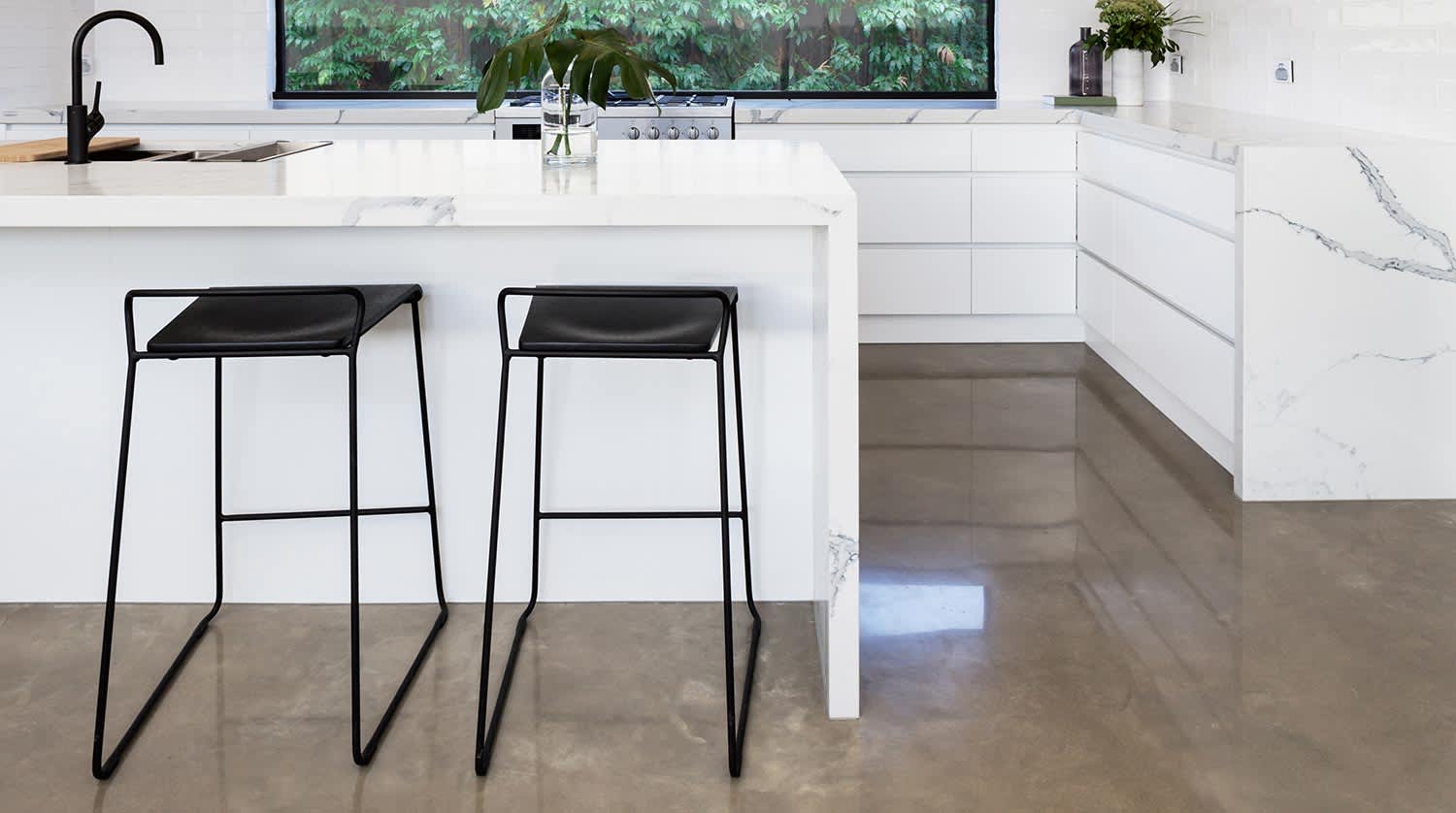
Polished concrete floor costs depend on the size of the area you’re targeting and the style of concrete floor. Our guide breaks down all the cost factors.
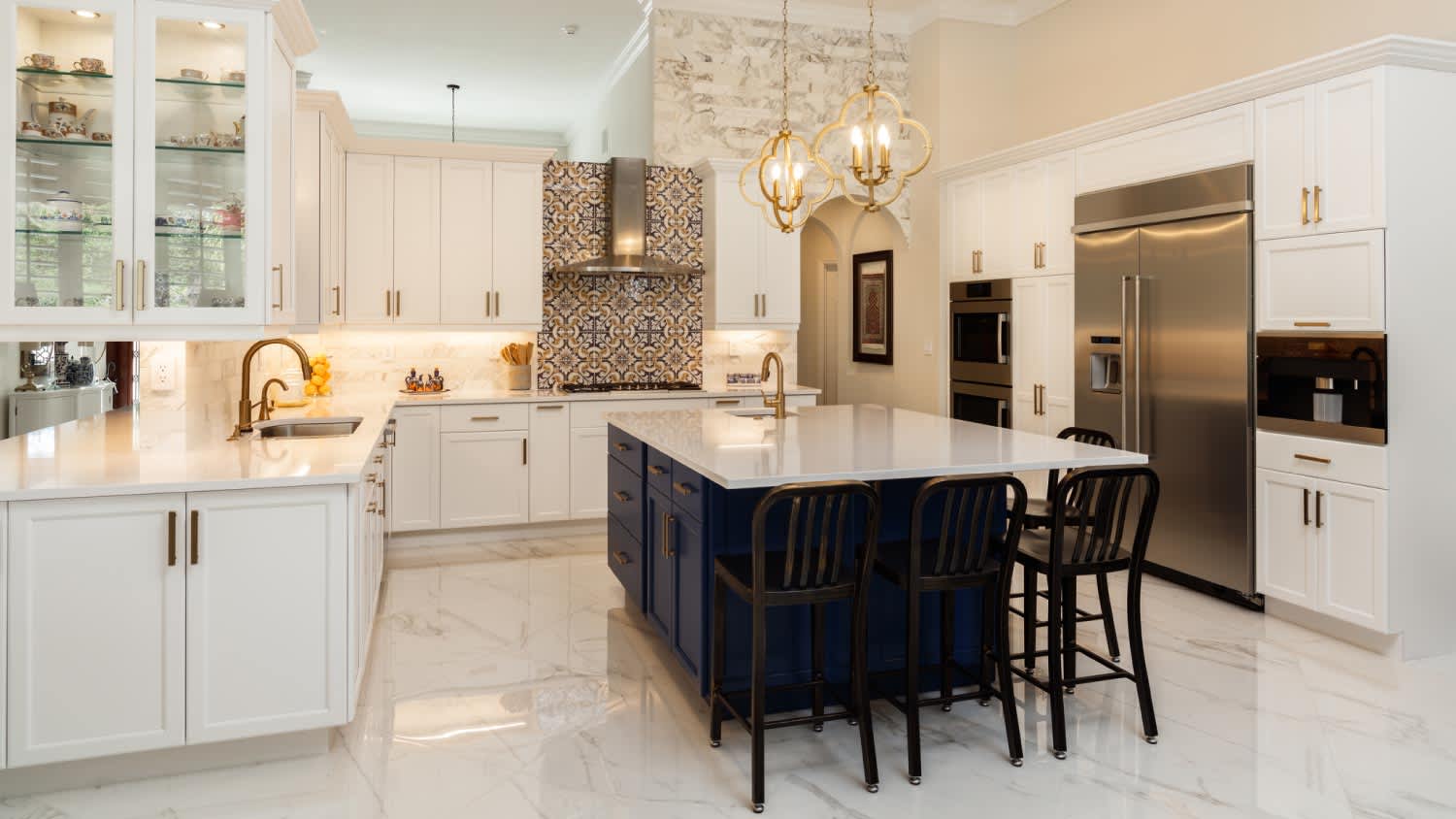
Hardwood floor repair costs depend on the problem. This guide breaks down common costs based on factors like the type of problem, repair method, and whether you hire a pro or DIY.
Faced with the shiny dilemma of polished concrete floors vs epoxy, you’ll need the details of cost, aesthetics, and durability to weigh and measure the winner.
With so many types of polished concrete floors to choose from, you should first learn about the classes of grinding, levels of polishing, and color options.