

Top-rated tree service pros.

Get matched with top tree service pros in Tidewater, OR

Enter your zip and get matched with up to 5 pros

Need a pro for your tree service project in Tidewater, OR?

Select your specific project to find the pro for you.

TRUSTED BY TIDEWATER, OR HOMEOWNERS

  • Average homeowner rating star icon4.7
    Average homeowner rating
  • Verified reviews icon69
    Verified tree services reviews

Find Tree service pros in Tidewater

Powers Yard and Lawn Service
5.0(
4
)
Tree RemovalTree Removal - For BusinessTree Stump - Remove+5 more

Serving Tidewater, OR and surrounding areas

In business since 2020

Free estimates

Emergency services offered

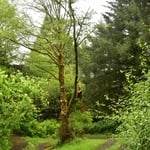
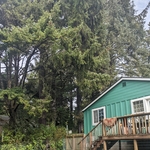
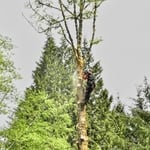
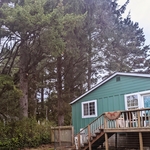
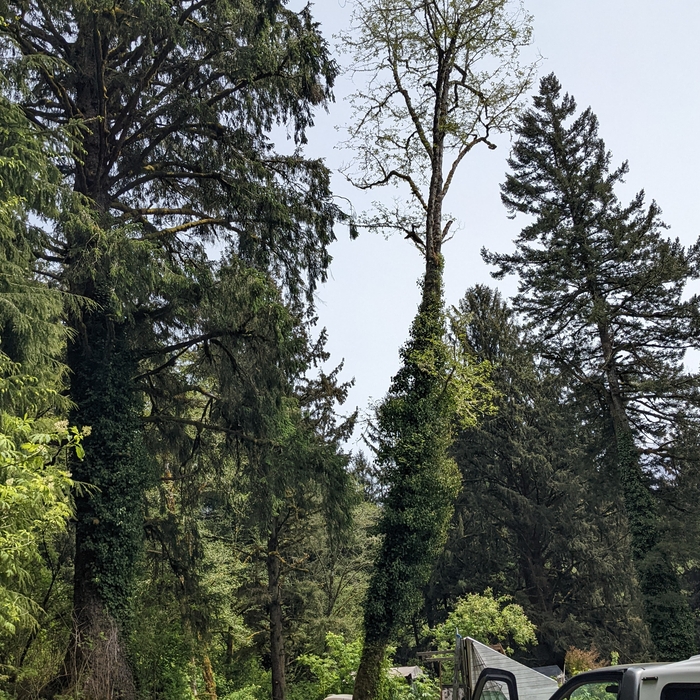
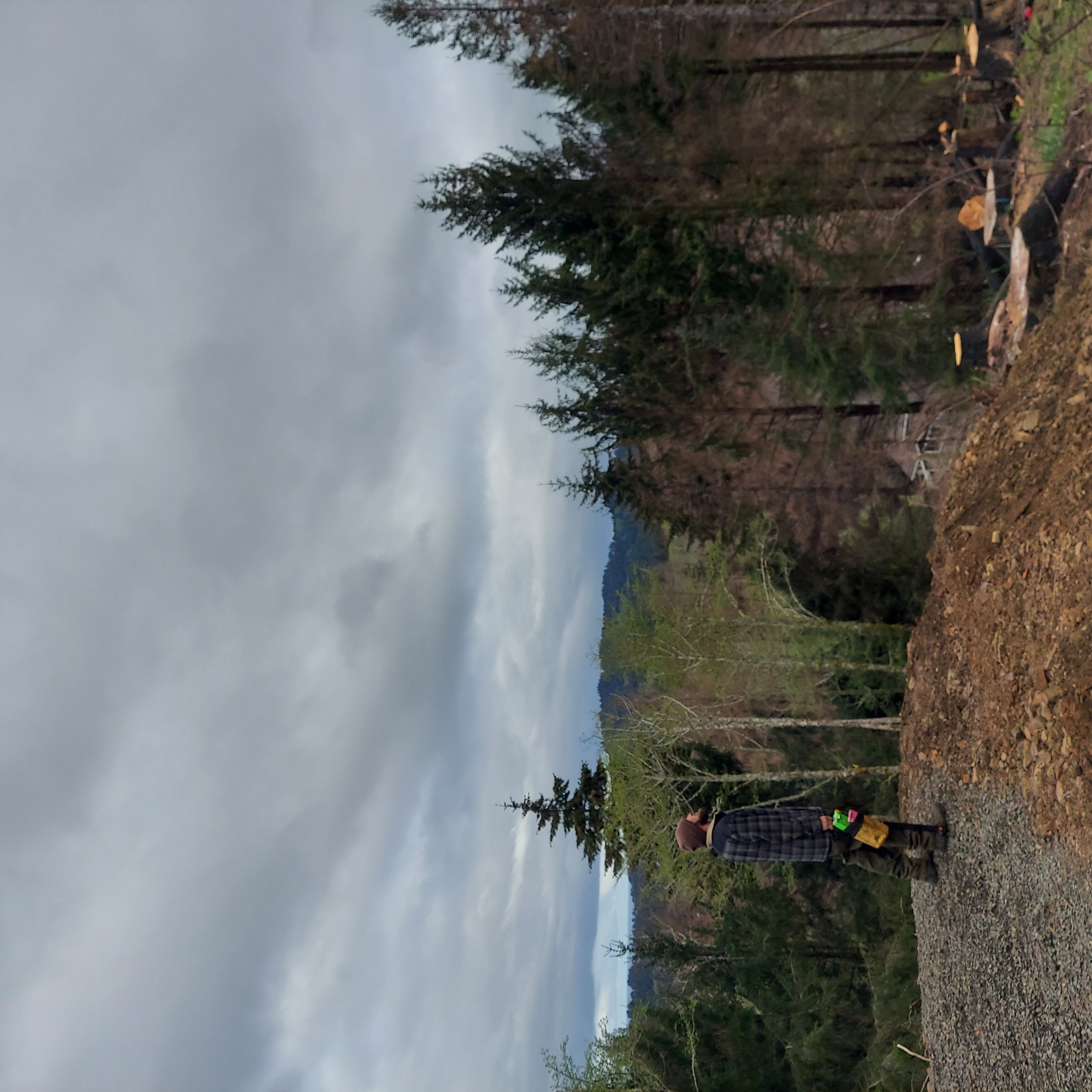
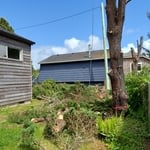
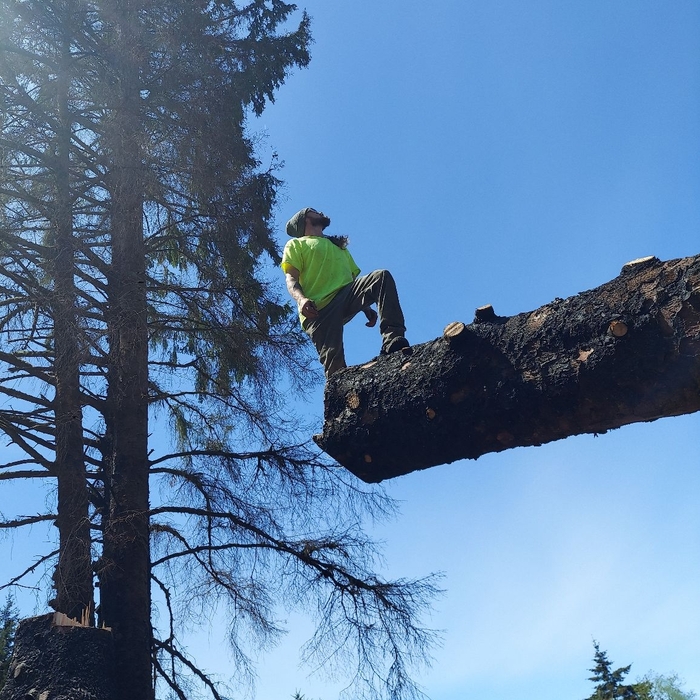
"It took most of three days to cut down, separate branches from trunks, chip the branches and cut the trunks. The crew took three loads of chips, twigs and needles to the land fill. The yard hasn't been this clean in several years! Thank you Team Powers!"
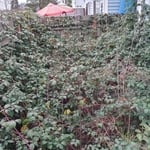
Thick heavily overgrown Blackberry Briars
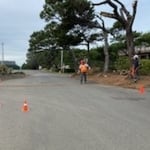
Start of job
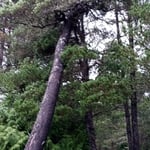
Main Tree about one third of the way up
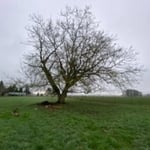
Befor
Tree Service Project

+81

Recommended by100%of homeowners
Avatar for East Line Tree and Home Service LLC
East Line Tree and Home Service LLC
New to Angi
Tree RemovalTree Trimming

Serving Tidewater, OR and surrounding areas

In business since 2024

Free estimates

With over 5 years of experience, we take pride in our quality work. We are owner operated, and believe in building long-term relationships with our clients by delivering reliable work, with friendly, easy to work with customer service. We are knoweledgable in the trade and work closely with our clients so they know whats happening in their project every step of the way. Give us a call today, we look forward to working with you!

Showing 1-10 of 15
Tree Service questions, answered by experts

Completely topping a plum tree is a risky business. Cut too much, and you’ll kill your tree. That said, you do need to trim the top of your tree to encourage bushy growth, maintain your tree’s vase shape, and limit size. 

A plum tree's central leader (or trunk) should never extend more than 3 feet above the highest branch. When you first plant your tree, cut the central leader so it’s 2 to 3 feet tall. As it grows, cut it back 12 to 20 inches until it reaches its desired height. Never prune more than one-third of the new growth.

Early signs that a tree is struggling include premature leaf shedding and lesions or other strange markings. Peeling bark, dead or rotten branches on the ground, and a conspicuous lack of leaves can all be signs that a tree has started to die. By the time a tree starts leaning, it’s usually too far gone to save.

Although the terms tree trimming and tree pruning are used interchangeably, they are very different types of tree maintenance. Tree trimming involves enhancing the appearance of your tree by removing unruly branches, providing your tree with ample sunlight and nutrients and prevents unsightly overgrowth. 

Tree pruning helps keep your trees disease-free. This process removes unhealthy growths, dead branches, and other unhealthy parts of the tree. It’s more common for deciduous and ornamental trees but not so common for evergreen trees. To determine which method you need, discuss it with a tree trimming specialist.

There are several methods to hollow out a tree stump, and the best one depends on your tools, experience, and priorities. Common methods include using a chisel and hammer, a chainsaw, or burning.

  • Chisel and Hammer: This is often considered the easiest approach for those with limited tools or experience, though it is the most time-consuming.

  • Chainsaw: Using a chainsaw is the fastest method, but it comes with significant safety risks, especially for inexperienced users.

  • Burning: This can be an effective method, but it is not recommended unless you can first drill holes into the stump. Without holes, the stump will be difficult to light and may not burn completely through.

A power drill with at least a ⅜-inch diameter bit can make the job quicker and easier, regardless of the primary method. While you can use a chisel or chainsaw without a drill, it will require more time and effort. Always wear protective goggles and thick gloves, as splinters are an inevitable risk.

A tree growing close to a house can pose several risks, but removal isn't always the only or best solution. Potential problems include roots growing into the foundation and causing structural cracks, branches damaging the roof or promoting moss growth, and debris clogging gutters, which can lead to water damage. Trees can also provide access for pests and encourage mold. However, a small, healthy tree may not be a problem, and for larger, established trees, strategic trimming can be a cheaper and more beneficial alternative to removal. It is generally recommended to take action for trees within 10 to 20 feet of your home, especially if they are unhealthy or encroaching. Your best bet is to consult a professional arborist who can assess the specific situation and provide expert advice.

The Tidewater, OR homeowners’ guide to tree services

From average costs to expert advice, get all the answers you need to get your job done.