


Top-rated lead testing and removal specialists.

Get matched with top lead testing and removal specialists in Harbor, OR

Enter your zip and get matched with up to 5 pros

Need a pro for your lead testing and removal project in Harbor, OR?

Select your specific project to find the pro for you.

Find Lead testing and removal specialists in Harbor

Avatar for JBC Group Solutions Inc
JBC Group Solutions Inc
4.0(
4
)

Serving Harbor, OR and surrounding areas

In business since 2007

Emergency services offered

"They did a real good job. They were real professional. We can now open the garage door from the inside of the house and now it is so smooth that we have to check to see if we hit the button to open it or close it.  Before we used to know when it was opening or closing because it used to make a noise. It helps when you move to a city where you are new. "
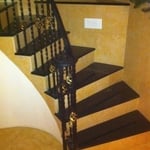
Custom Staircases
Custom Exterior Restoration
Custom Bathrooms
Recommended by75%of homeowners

Pacific Rim Construction Services, Inc.
0.0(
2
)

Serving Harbor, OR and surrounding areas

In business since 1996

Our expertise ranges from small remodeling abatement projects to preparation for complete demolition. Our abatement activities are performed above the standards of E.P.A. / D.E.Q Regulations.\n\nEach and every project, no matter how small is documented to assist the owner / property manager with the critical information often valuable in later sales, appraisal and or renovations.\n\nPacific Rim Construction takes great pride in the fact of meeting stringent site specific needs of our clients and keeping the project needs **Cost Effective**. We understand that in many applications, abatement Work Needs to be Performed **Discreetly**and **Work Windows of Opportunity can be Tight**. With all of these challenges, Pacific Rim Construction Services Inc. Sets into motion a *Site* Specific Plan** Tailored to your Needs.\n\n

Lead Testing and Removal questions, answered by experts

Lead testing in residential properties involves collecting samples from paint, dust, soil, or plumbing and analyzing them in certified laboratories to accurately identify lead levels.

With regular testing, treatment, and maintenance, water from a community well should be safe to drink. Unfortunately, the EPA does not regulate private wells, and contamination can happen. 

If you have doubts about the quality and safety of your drinking water, you have options for testing. You can pick up kits from your local home supply store or harvest samples and send them to a local testing facility. To get the most complete water quality testing and system diagnosis, seek a local well professional. They know what to test for and can recommend and implement a longer-lasting solution.

DIY kits are available for basic air quality testing, but professional services provide more comprehensive results and recommendations. While a DIY kit may seem cost-effective, a professional assessment is more thorough. Inspectors are better equipped to catch all pollutants and hazards, and you'll still need a professional to verify and act on DIY test results. Furthermore, some kits don't test for certain pollutants or only detect their presence without measuring specific levels (like mold spores). It's generally better to opt for a detailed professional assessment.

When a surface that contains lead dust is disturbed, the dust can float about in the air for roughly an hour before settling again. Since you cannot see the dust, it is important always to wear protective gear when working with any materials that may contain lead paint and to keep children, pets, and others away from the area for as long as possible

According to the Environmental Protection Agency (EPA), hazardous waste is generally classified into four main categories:

1. Characteristic Wastes: These exhibit at least one of four hazardous traits: ignitability (flammable, like gasoline), corrosivity (can rust or decompose materials, like car batteries), reactivity (unstable and can explode, like aerosol cans), or toxicity (harmful when ingested, like lead-based paint).

2. Listed Wastes: These are specific wastes from manufacturing and industrial processes that the EPA has officially designated as hazardous. They include byproducts from processes that use solvents, pesticides, and other chemicals.

3. Universal Wastes: These are commonly generated hazardous items that are subject to streamlined regulations. Examples include batteries, pesticides, mercury-containing equipment (e.g., bulbs), and some lamps.

4. Mixed Wastes: This category includes waste that contains both hazardous and radioactive components, making it subject to regulation by both the EPA and the Nuclear Regulatory Commission.

The Harbor, OR homeowners’ guide to lead testing and removal services

From average costs to expert advice, get all the answers you need to get your job done.