







Top-rated deck maintenance specialists.

Get matched with top deck maintenance specialists in Grants Pass, OR

Enter your zip and get matched with up to 5 pros

Need a pro for your deck maintenance project in Grants Pass, OR?

Select your specific project to find the pro for you.

TRUSTED BY GRANTS PASS, OR HOMEOWNERS

  • Average homeowner rating star icon4.6
    Average homeowner rating
  • Verified reviews icon12
    Verified deck maintenance services reviews

Find Deck maintenance specialists in Grants Pass

Avatar for River Grain Construction
River Grain Construction
5.0(
5
)

Serving Grants Pass, OR and surrounding areas

In business since 2022

Free estimates

Small jobs welcome

"Allowed me to participate to save money. Carson is efficient, takes pride in his work, and is enjoyable to be around. Very personable. Very very satisfied with the outcome of our deck"
Response time2 days
Recommended by80%of homeowners
Showing 1-10 of 22
Deck Maintenance questions, answered by experts

The average cost to professionally clean or pressure wash a deck is around $150, with prices typically ranging from $100 to $600. Several factors influence the final price, including the deck's size, material, condition, and how long it has been since its last cleaning. For a smaller deck of about 300 square feet, you might pay around $100. For a larger deck of 1,000 square feet or more, the cost could be closer to $300 to $400. Decks that are very dirty or haven't been cleaned in years may require more time and special detergents, which will increase the price. The deck's material also plays a role. Wood decks often cost more to clean because they require a gentle power washing technique to avoid damage. Composite decks are typically less expensive to clean, and cleaning a metal deck may cost around $100.

Yes, and in some cases, frozen ground may improve the digging process for footings due to sturdier conditions. It’s easier than working in muddy conditions, which are more common in the spring. Contractors may use machinery that makes this step a breeze, so harder ground shouldn’t affect the building process.

Yes, deck pier blocks can be used as an alternative to traditional deck footings, especially for smaller or low-to-the-ground decks. Unlike poured concrete and buried post footings, deck blocks do not require digging or pouring. However, their use is dependent on local building codes. Some areas, particularly those prone to high winds, earthquakes, or hurricanes, may not permit the use of deck pier blocks. It is essential to consult your local building codes before choosing them for your deck project.

Staining and sealing the underside of a deck creates a moisture barrier but traps water in the boards, quickly leading to rot. No matter how well you seal the above deck, water still gets through via nails and screw heads on the surface. Allow this water to flow naturally under the deck, where it is routed through the drainage system.

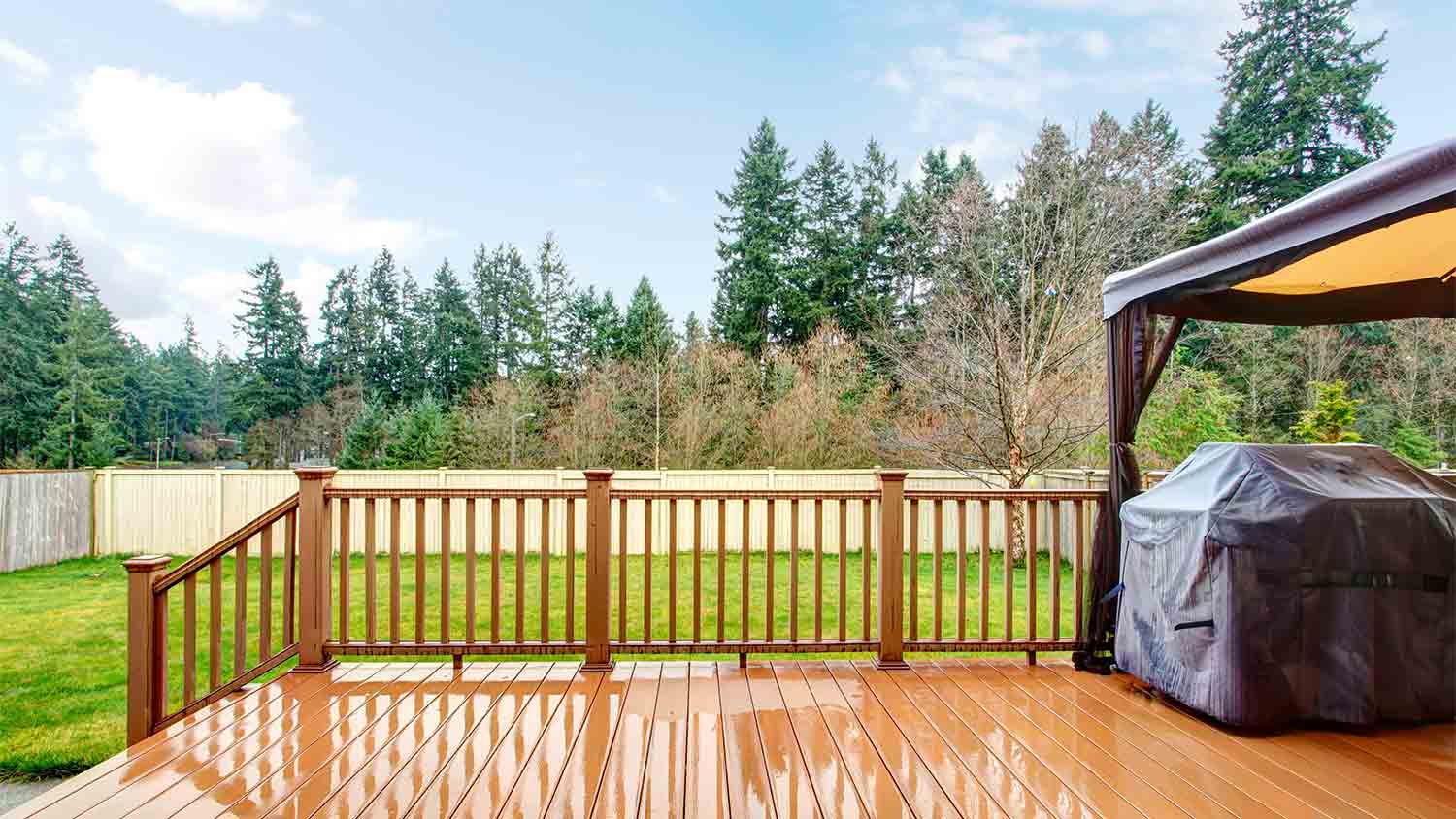
As with patios, there are many types of deck choices to choose from to add personalization to your home. Some common deck options include:

  • Attached decks are anchored to the home and include simple ground-level options or multi-level structures with stairways and separate landings. 

  • Detached island decks are not attached to the home; they’re a freestanding structure in the yard. 

  • Wraparound decks connect the back of the house with at least one other side and often are built with railings for safety. 

  • Multi-level decks connect your deck through varying levels of elevation, featuring landings that are attached to stairs.

The Grants Pass, OR homeowners’ guide to deck maintenance services

From average costs to expert advice, get all the answers you need to get your job done.