"He was able to quickly diagnose that the water leak from the water heater was a result of a ruptured tank, resulting in the need to replace the entire water heater."
You should not use a water conditioner with a water softener because a water conditioner changes the chemistry of the water and causes the ion exchange in a softener to be ineffective. Choose a water softener if you have hard water or well water, and use a water conditioner if you need to remove certain contaminants.
Most of the U.S. has hard water, especially across portions of the West and Midwest. The areas with the hardest water include parts of Texas, Oklahoma, Kansas, Colorado, New Mexico, Utah, Wyoming, Illinois, North and South Dakota, Ohio, and New York. You’ll find soft water in parts of New England, the Southeast, the Pacific Northwest, and Hawaii.
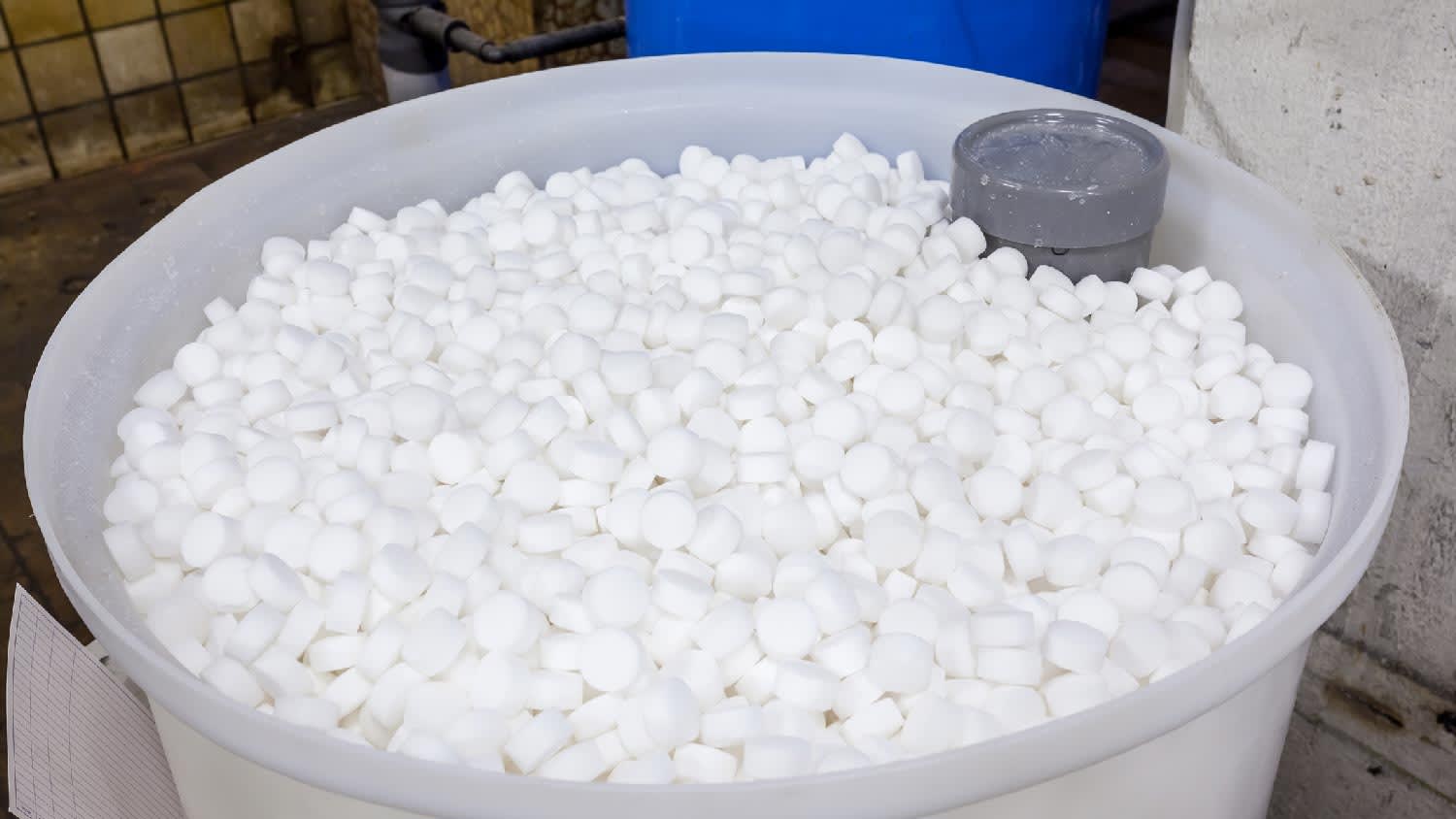
It’s not a good idea to oversize your water softener. Doing so will mean the tank doesn’t get full, which can lead to channeling. This leads to a large portion of the resin beads not being utilized and the beads at the bottom of the tank being overused. Over time, this will reduce the efficiency of your system, not to mention that the upfront cost of an oversized softener is unnecessarily high. If you have a timed regeneration cycle rather than a demand-based one, you’ll also spend far more on replacing salt than you need to.
While not everyone can detect taste differences in high-calcium water, water that has a slightly metallic taste probably has too much calcium.
The primary difference between a water softener and a water filter lies in what they remove from the water. A water softener is designed to remove hard minerals like calcium and magnesium. In contrast, a water filter has a broader effect, removing various contaminants above a certain size, which can include bacteria and other impurities.
To decide which you need, consider your goal. If you want to eliminate hard minerals, choose a softener. If you want to remove a wide range of contaminants, a filter is the better option. Filters are also generally less expensive to install. Depending on your water supply, you may need to install both for comprehensive treatment.
The Enterprise, OR homeowners’ guide to water softener services
From average costs to expert advice, get all the answers you need to get your job done.
Water softener repair costs can add up, but they’re almost always worthwhile. Use this guide to see what your project is going to cost before you get started.
There are four common softener alternatives available on the market today. We compare and contrast each one to help you find your best-fit solution in this blog.
Who repairs water softeners? You should be able to hire water softener repair and installation companies or plumbers to fix issues with these appliances.
Water softeners last up to 25 years, but maintenance, usage, and other factors can affect the life span. Learn more about how long water softeners last.