"He was able to quickly diagnose that the water leak from the water heater was a result of a ruptured tank, resulting in the need to replace the entire water heater."
A good hardness level for drinking water can vary based on personal preferences, but an ideal level is 3.5 to 7 GPG. This means your water isn’t soft or hard. However, some people prefer the “fresh” taste from the minerals in hard water, while others like the smoother, “slippery” texture of soft water.
A tankless water heater should be at least 10 feet away from a water softener, although the pros you hire for water softener installation can help you determine the correct distance. These two units need to have some distance between them to prevent hot water from the tankless water heater from flowing backward into the water softener when it runs a regeneration cycle.
No. You should never directly drain a water softener into a sewer cleanout. This practice is illegal in many areas because it could allow raw sewage to get into your drinking water and make you seriously ill. Many places have codes requiring a specific seal, pipe, and a large air gap between a water softener and a sewage cleanout. Check out Florida's Plumbing Building Code as an example of what these restrictions might look like.
Most of the U.S. has hard water, especially across portions of the West and Midwest. The areas with the hardest water include parts of Texas, Oklahoma, Kansas, Colorado, New Mexico, Utah, Wyoming, Illinois, North and South Dakota, Ohio, and New York. You’ll find soft water in parts of New England, the Southeast, the Pacific Northwest, and Hawaii.
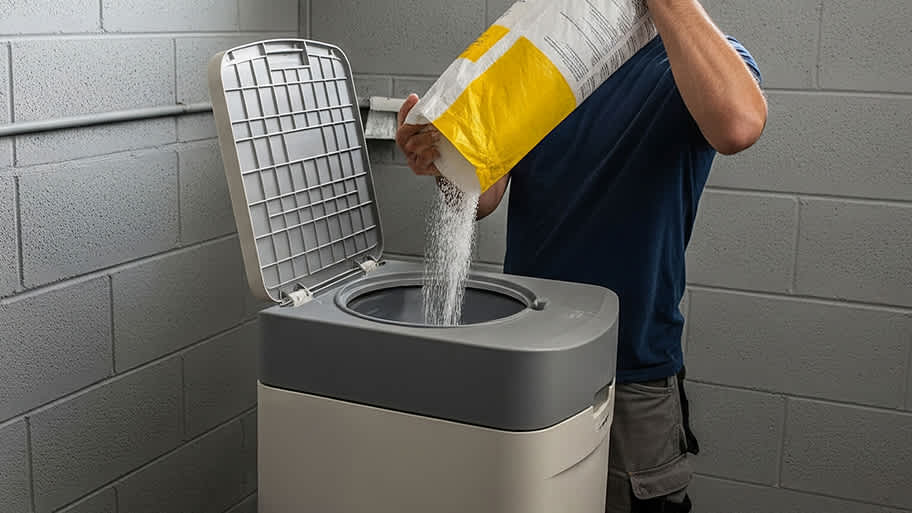
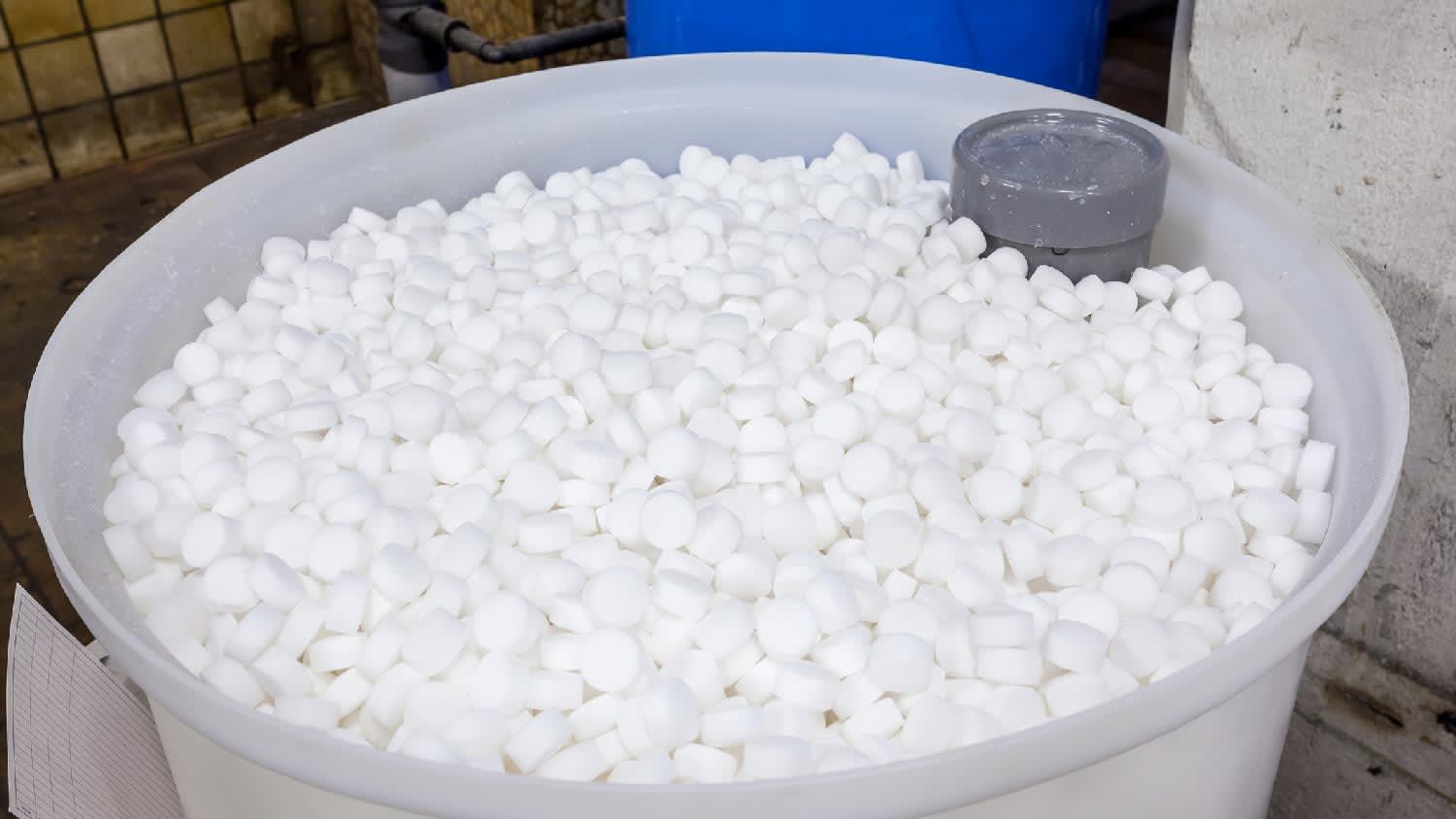
You can install a water softener system by turning off the water supply, draining the water, and then connecting your device to the waterline. Next, you’ll fill your tank with the recommended amount of salt or brine (whichever your unit calls for; be sure to read the instructions). Turn the water supply on and check for leaks. You can opt to let your water run for a few minutes, then test it using strips.
Water softener repair costs can add up, but they’re almost always worthwhile. Use this guide to see what your project is going to cost before you get started.
There are four common softener alternatives available on the market today. We compare and contrast each one to help you find your best-fit solution in this blog.
Who repairs water softeners? You should be able to hire water softener repair and installation companies or plumbers to fix issues with these appliances.
Water softeners last up to 25 years, but maintenance, usage, and other factors can affect the life span. Learn more about how long water softeners last.