

Top-rated paving pros.

Get matched with top paving pros in Duncan, OK

Enter your zip and get matched with up to 5 pros

Need a pro for your paving service project in Duncan, OK?

Select your specific project to find the pro for you.

TRUSTED BY DUNCAN, OK HOMEOWNERS

  • Average homeowner rating star icon4.9
    Average homeowner rating
  • Verified reviews icon10
    Verified paving services reviews

Find Paving pros in Duncan

Avatar for No Kap Paving
No Kap Paving
4.2(
5
)

Serving Duncan, OK and surrounding areas

In business since 2021

Free estimates

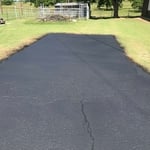
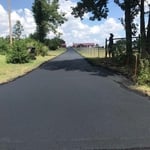
"Buddy arrived when he said that he would, repaired the driveway by sweeping, power washing, and then applied a top coat, with a seal coat after the 1st application set up. He offered to come back and re-apply if needed; explained to me that we may need to seal the drive again next year. He worked with me on the overall cost, and payment. Good Job Buddy! Thank You"
Driveways - Asphalt Project

+42

Recommended by80%of homeowners
Avatar for Rolin Seal and Stripe
Rolin Seal and Stripe
4.8(
8
)

Serving Duncan, OK and surrounding areas

In business since 2014

Free estimates

Credit card accepted

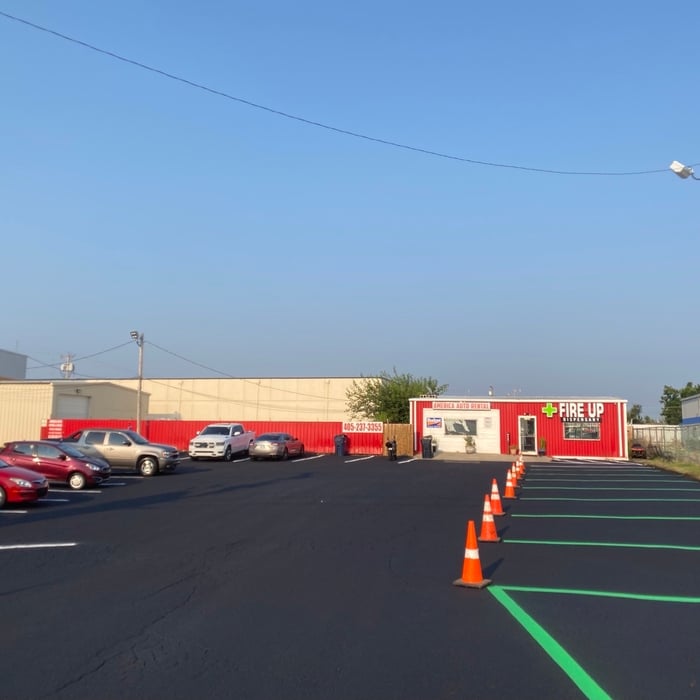
"Rolin Seal and Stripe was very professional. Kept us informed about when temperature was correct. They arrived on time and did a great job. I recommend this asphalt company to others."
Before
Before
Before
Before
Before

+20

Response time2 days
Recommended by100%of homeowners
Showing 1-10 of 31
Paving Services questions, answered by experts

Asphalt and tarmac are not the same thing. Traditional tarmac, short for tarmacadam, uses tar as a binder to hold crushed stone together. Asphalt uses bitumen—a byproduct of crude oil—to bind aggregate. Though tarmac was once a go-to for roads, asphalt has become the modern standard. And these days, most surfaces referred to as “tarmac” are actually asphalt. So, while the names may overlap, the key distinction lies in the binder—tar for tarmac and bitumen for asphalt.

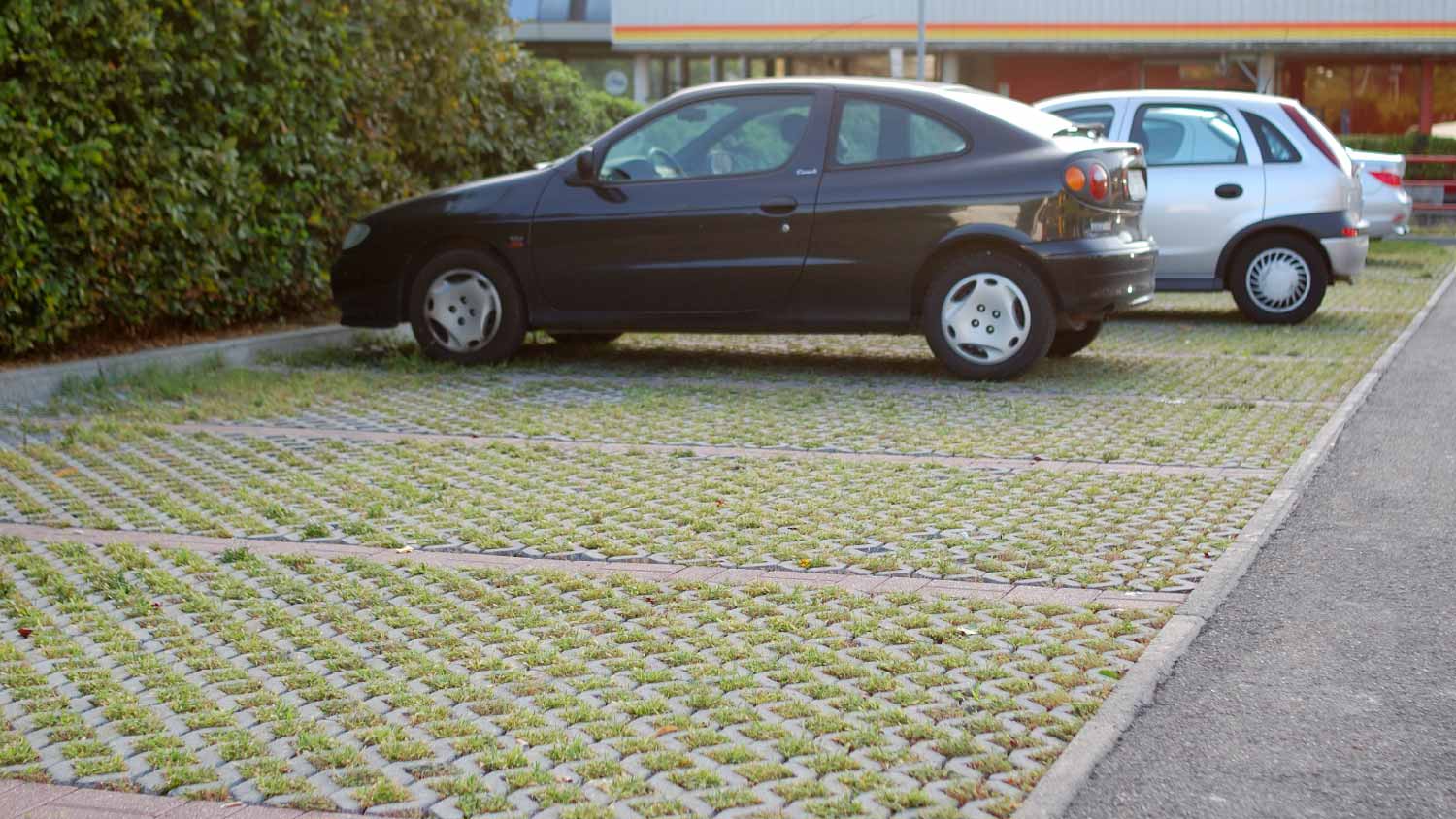
Yes, permeable paving is expensive. For driveways, expect to pay up to $70 per square foot; for patios, permeable paving can cost up to $30 per square foot. Costs will depend on the type of material you choose, plus the standard labor rate in your area.
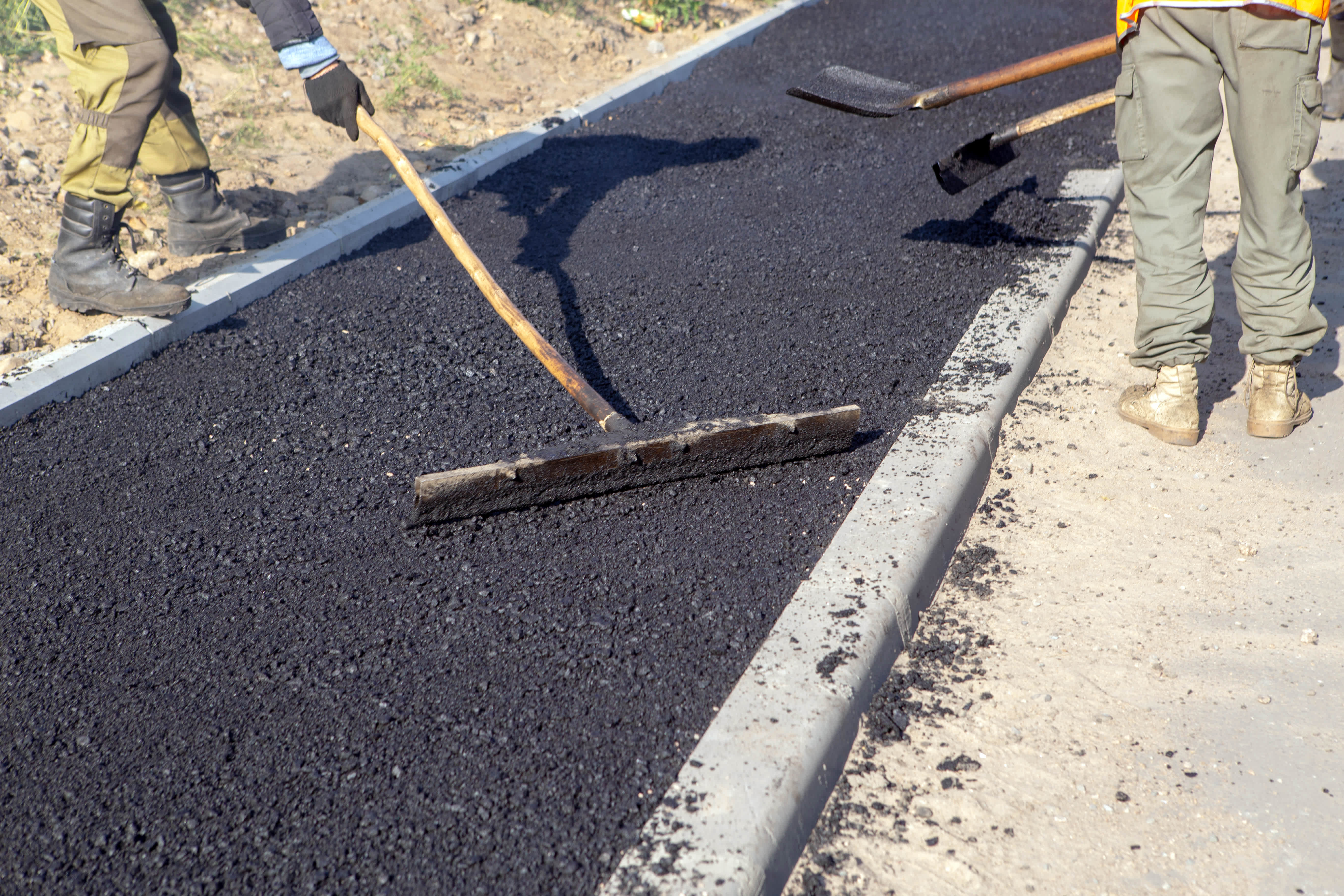
Professional installers often include a deep layer of crushed gravel under permeable pavers to allow more runoff to soak through into the soil below. Many installations will include multiple layers of gravel, with coarser aggregate at the base and finer aggregate that sits on top of that bottom layer. Above the gravel, you’ll often find coarse sand that helps reduce paver shifting over time. Some permeable paver designs include a water collection system set into the gravel layer to route runoff to a safe area for disposal.
Paving is a part of hardscaping, so all paving is hardscaping, but not all hardscaping is paving. Paving involves laying down concrete or asphalt, while hardscaping can also include the use of paving stones, bricks, gravel, wood, and more. Hardscape features that involve paving are considered permanent and will increase your property taxes, while some other hardscaping features—like those involving bricks, gravel, and paving stones—will not affect property taxes. Paving also typically requires a permit, while hardscaping features considered temporary will not.

Interlocking pavers offer a number of advantages over regular pavers. For instance, they’re more durable, more resistant to shifting, and easier to repair. There are also permeable options that allow for drainage. However, interlocking pavers are more often more expensive than regular pavers and are prone to growing weeds over time.

The Duncan, OK homeowners’ guide to paving services

From average costs to expert advice, get all the answers you need to get your job done.