Doorbell Installation questions, answered by experts
It’s best not to install a radiant barrier directly under insulation because it requires an air gap on at least one side to work properly. Instead, you should install the radiant barrier over your existing insulation to create an air space to reflect the radiant heat.
On average, insulating an attic costs about $2,500, with a typical range of $1,500 to $3,500. The final price often depends on the attic's size, with costs generally falling between $1 to $3 per square foot. For example, insulating a 1,800-square-foot attic would likely cost between $1,800 and $5,400.
If the project involves removing old insulation, this can add an average of $900 to the total cost, bringing a full removal and reinsulation project to around $3,000.
Several factors influence the overall cost:
Insulation Type: Prices per square foot vary significantly by material.
Reflective: $0.50–$1.50
Blown-in: $1–$4
Batt: $2–$4
Loose-fill: $2–$5
Spray foam: $2–$5
Structural insulated panels (SIPs): $4–$7
Project Complexity: Factors like sealing air leaks, poor attic accessibility, and required inspections can add to the cost.
Removal Issues: The discovery of mold, asbestos, or pests during the removal of old insulation can substantially increase the price.
Your home's location, budget, and the type of insulation you’re using are just a few of the factors that can help you choose the right insulation. For example, blown-in insulation is typically used in attic spaces, while batts and rolls are ideal for floors and walls. Blown-in insulation is usually a good option if you're adding more insulation to an area that already has some, but not enough.
Three signs that you need crawl space insulation are drafts, high energy bills, and mold. Drafts can start in crawl spaces and cause hot or cold air to spread to the rest of your home through holes in the floors and walls. And even if your entire home is well-insulated, you can still feel an unchecked draft from your crawl space and in your utility bill. Uninsulated crawl spaces can let in air and moisture, and because they’re built directly on the ground and difficult to dry out, they are hotspots for mold and mildew.
If you’re a savvy DIYer around the house, own the basic tools, and have enough time on your hands, you can definitely install fiberglass insulation yourself. Doing the work yourself will certainly keep overall insulation costs down. However, if you’re not confident in your handy skills around the house, call in a professional.
The Dover, OK homeowners’ guide to doorbell installation services
From average costs to expert advice, get all the answers you need to get your job done.
Ring a bell? From replacing a wired doorbell to setting up a smart home system, learn about typical doorbell installation costs, including materials and labor.
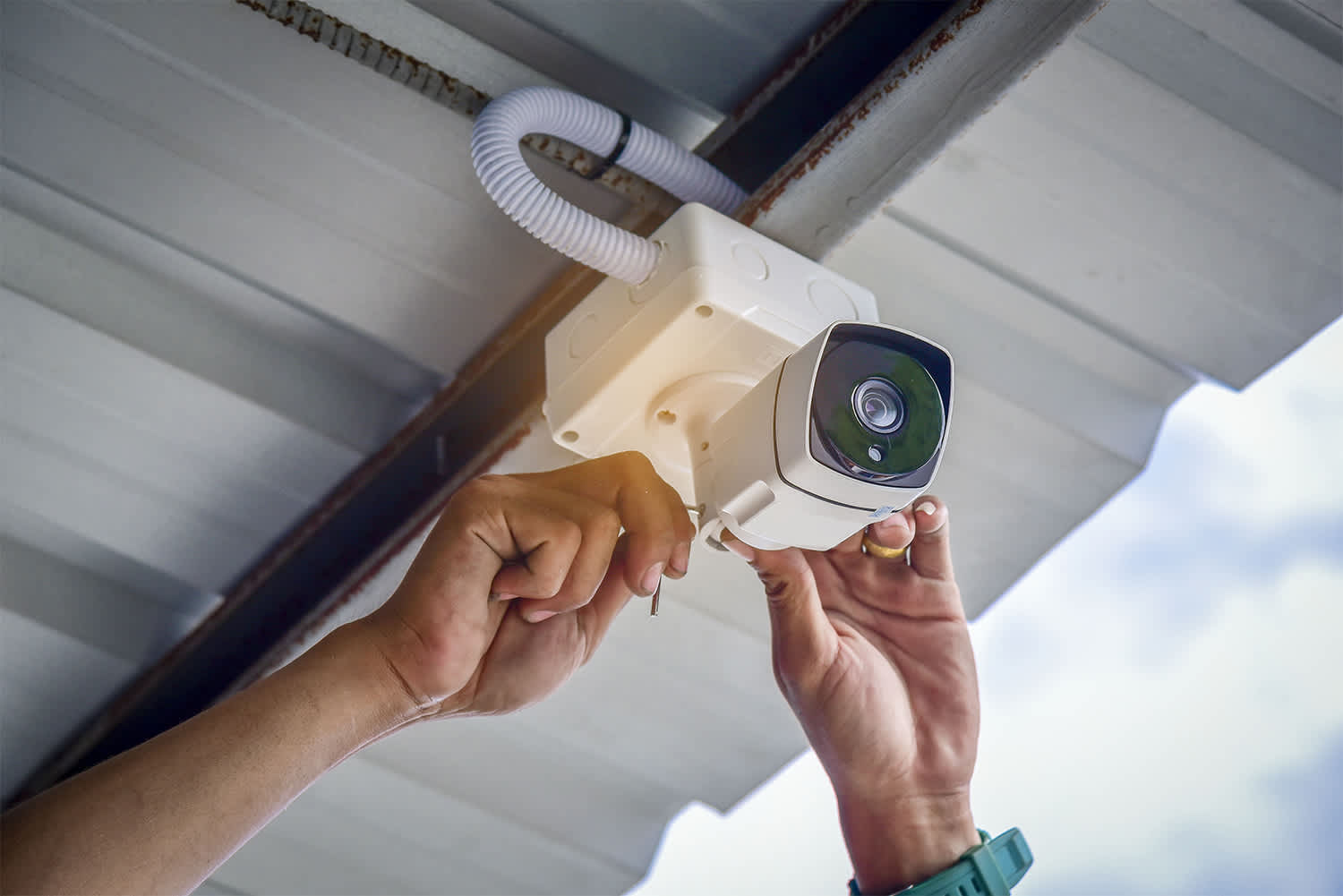
How much does it cost to install a doorbell camera? It depends on whether you plan to DIY or hire a pro. Learn about different models and their power sources, too.
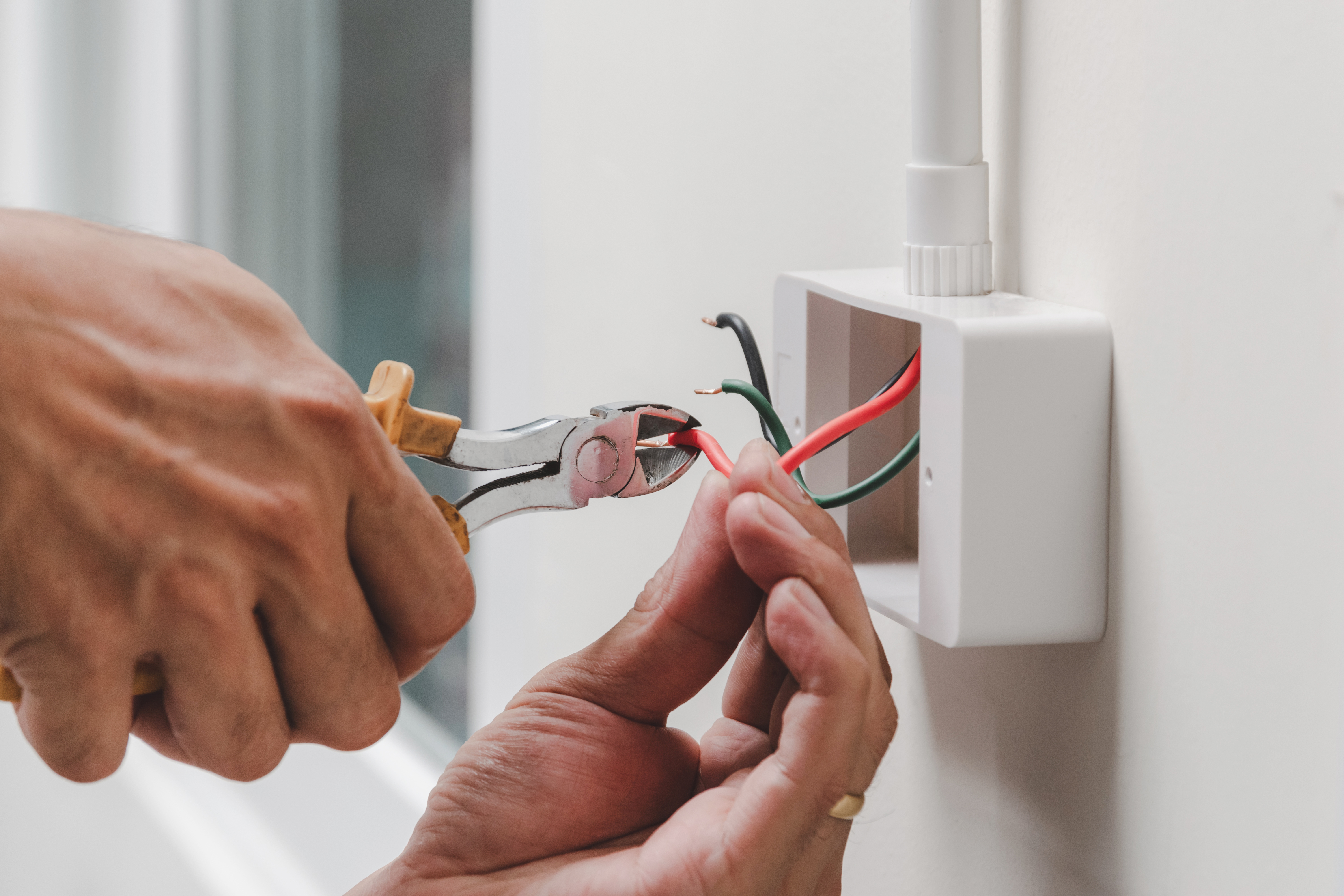
Doorbell wiring is a project you can DIY. This guide covers everything you need to know, from different types of doorbells to wiring, and how to remove an old doorbell.
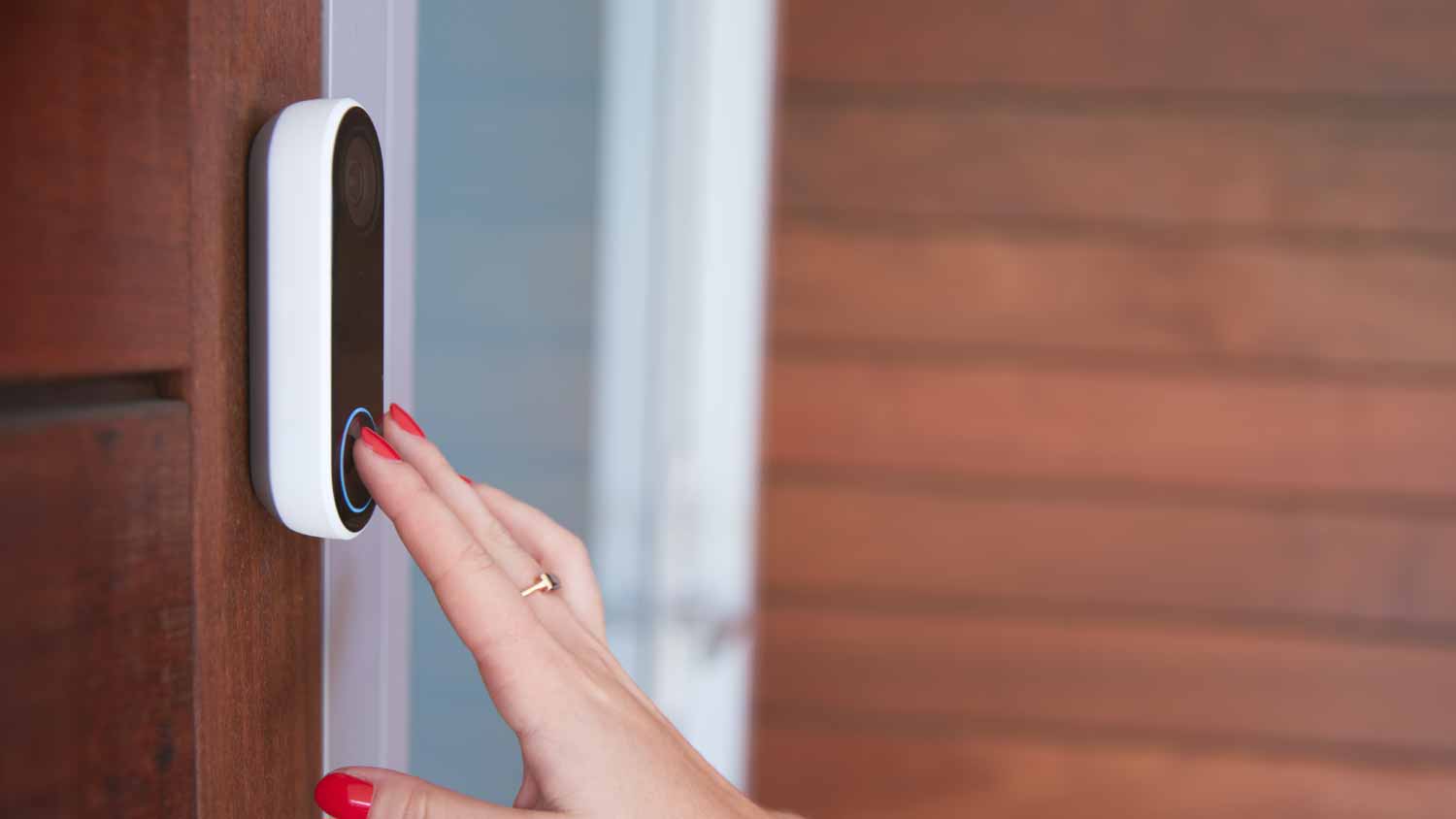
Ready to upgrade your front door and learn how to wire a doorbell? You may be able to handle this relatively simple DIY installation without an electrician.