




Top-rated fountain pros.

Get matched with top fountain pros in Youngstown, OH

Enter your zip and get matched with up to 5 pros

Need a pro for your fountain service project in Youngstown, OH?

Select your specific project to find the pro for you.

Find Fountain pros in Youngstown

Fountains questions, answered by experts

While they’re popular and have a lot of pros, the cons of river rocks include the following:

  • River rocks don’t break down or provide nutrients to plants. 

  • These stones can get hot and scorch nearby plants. 

  • River stones may heat the surrounding soil to inhospitable temperatures. 

  • Rocks can block rainwater from seeping into the ground if installations are too thick or tightly packed.

Most downsides occur when using river rock as mulch in gardens and flower beds. However, you can still incorporate river rocks into your landscape as long as you use them in the correct ways.

Though there are a lot of factors that go into caring for a koi pond, the most important maintenance you can do is frequent water checks using a koi pond test strip that checks the water for dangerous conditions.  In addition to regular pond maintenance costs, you’ll also need to winterize your koi pond if you live in a colder area.

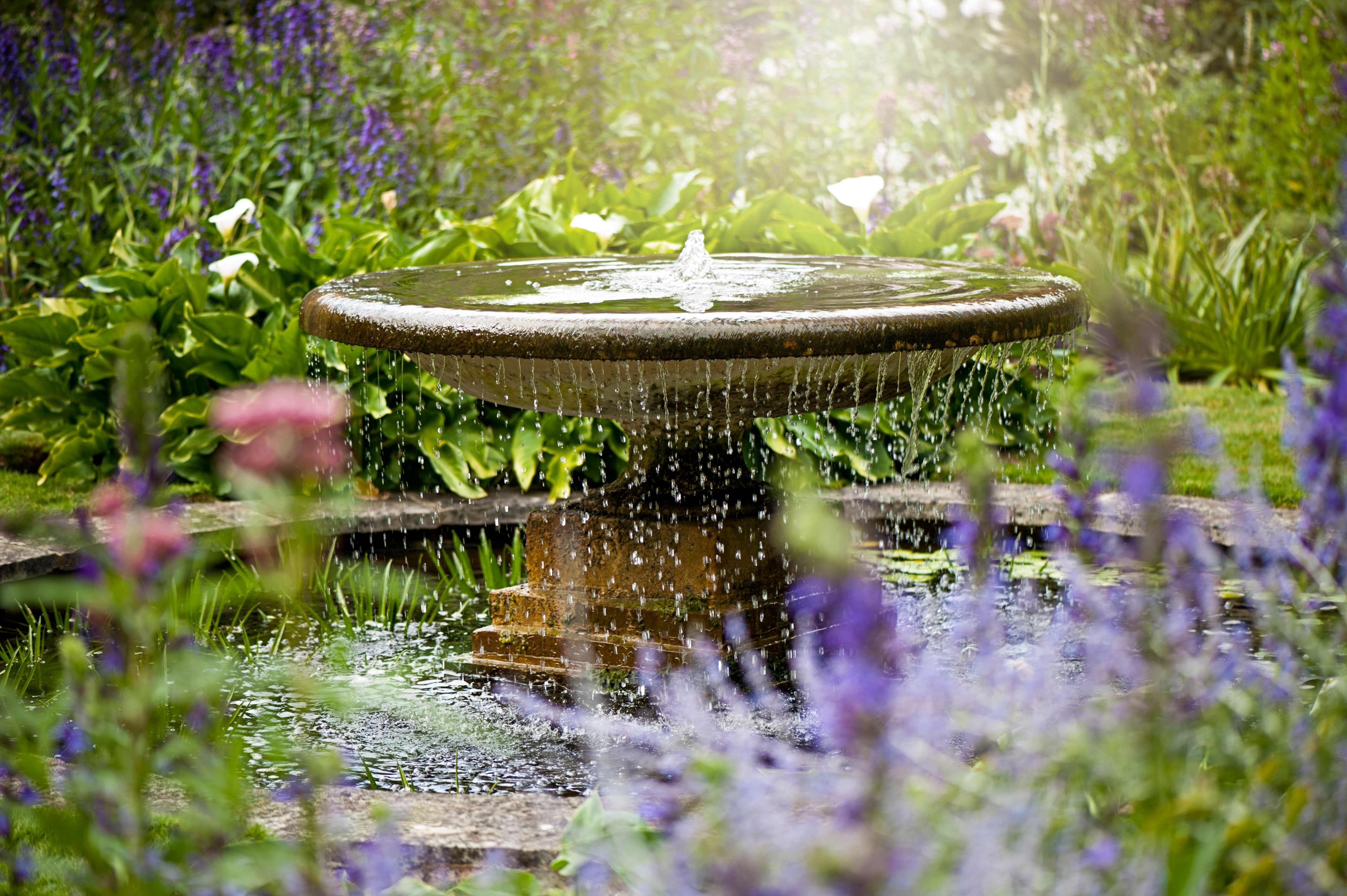
Most outdoor water fountains and features do not use a lot of electricity, typically consuming between 100 and 250 watts per day. The size of the fountain's motor can impact its overall electricity usage. To reduce energy consumption, you can use a timer to automatically turn the fountain off at night or when you are away from home. Additionally, installing solar power components can help lower electricity costs after the initial investment is recouped.

Natural swimming pools are designed to deter pests, including mosquitoes. While any body of water can potentially attract pests, the natural filtration system keeps the water clean and constantly moving. Mosquitoes specifically are attracted to standing water, so the continuously circulating water in a natural pool makes it an inhospitable environment for them.

Seeps and springs form when groundwater reaches the earth’s surface. The main differences between them are the amount of water and the flow rate. Seeps are smaller than springs and consist of water that’s stagnant or flows slowly. Springs contain more water and flow more quickly.

The Youngstown, OH homeowners’ guide to fountain services

From average costs to expert advice, get all the answers you need to get your job done.