



Top-rated lead testing and removal specialists.

Get matched with top lead testing and removal specialists in Toronto, OH

Enter your zip and get matched with up to 5 pros

Need a pro for your lead testing and removal project in Toronto, OH?

Select your specific project to find the pro for you.

Find Lead testing and removal specialists in Toronto

Avatar for CIERRA ENVIRONMENTAL
CIERRA ENVIRONMENTAL
4.4(
7
)

Serving Toronto, OH and surrounding areas

In business since 2001

Emergency services offered

Credit card accepted

"They were very responsive to our needs and were able to schedule the work quickly.  Their price was comparable to the other estimates we had gotten.  They completed the job in two days and everything looked great afterwards.
"
Recommended by100%of homeowners
Easy Lead Free
New to Angi

Serving Toronto, OH and surrounding areas

Credit card accepted

Easy Lead Free LLC is an Ohio-licensed lead risk assessment company serving Cleveland and surrounding areas. We specialize in lead risk assessments and clearance testing required for Cleveland rental registration and lead-safe certification. Our services are designed for landlords and property managers who need compliant testing, clear guidance, and fast turnaround to avoid delays, re-inspections, or penalties. We focus exclusively on rental compliance testing — not real estate inspections — to help units pass the first time.

Lead Testing and Removal questions, answered by experts

Lead testing in residential properties involves collecting samples from paint, dust, soil, or plumbing and analyzing them in certified laboratories to accurately identify lead levels.

Services test for allergens, mold, VOCs, and carbon monoxide levels to ensure a healthy indoor environment.

According to the Environmental Protection Agency (EPA), hazardous waste is generally classified into four main categories:

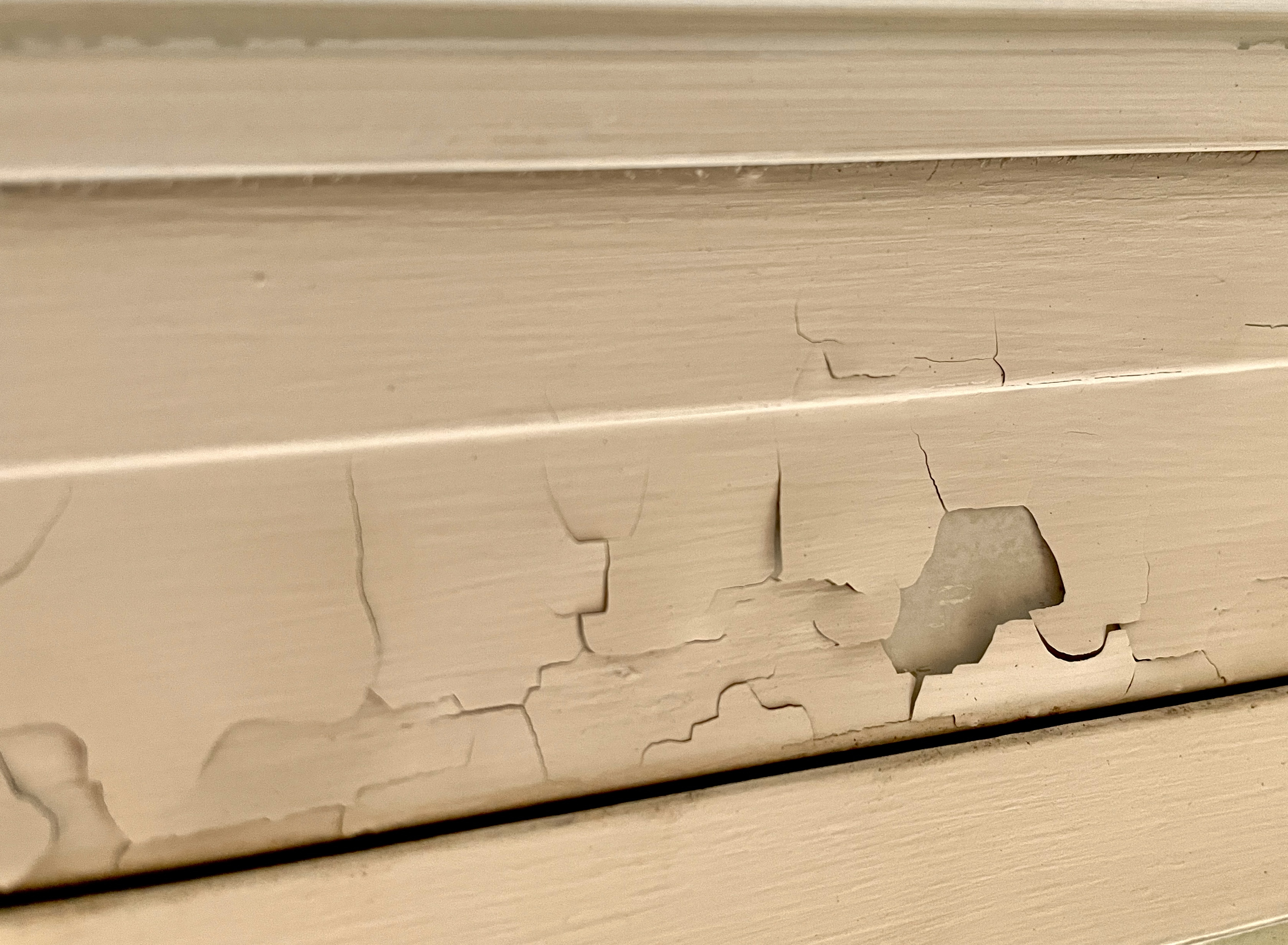
1. Characteristic Wastes: These exhibit at least one of four hazardous traits: ignitability (flammable, like gasoline), corrosivity (can rust or decompose materials, like car batteries), reactivity (unstable and can explode, like aerosol cans), or toxicity (harmful when ingested, like lead-based paint).

2. Listed Wastes: These are specific wastes from manufacturing and industrial processes that the EPA has officially designated as hazardous. They include byproducts from processes that use solvents, pesticides, and other chemicals.

3. Universal Wastes: These are commonly generated hazardous items that are subject to streamlined regulations. Examples include batteries, pesticides, mercury-containing equipment (e.g., bulbs), and some lamps.

4. Mixed Wastes: This category includes waste that contains both hazardous and radioactive components, making it subject to regulation by both the EPA and the Nuclear Regulatory Commission.

How you test for lead in your water depends on the source of your home's water supply. If you have municipal water, your local water system may offer to test the water for free or may connect you to a lab that will perform the testing.

If you have a private well that provides drinking water, you are responsible for testing it for lead. Look for a lab that is accredited by your state's Department of Environmental Protection to perform the test.

Costs depend on test type, home size, number of testing locations, and whether follow-up testing is required.

The Toronto, OH homeowners’ guide to lead testing and removal services

From average costs to expert advice, get all the answers you need to get your job done.