

Top-rated ceramic tile pros.

Best ceramic tile pros near Leetonia, OH

Enter your zip and get matched with up to 5 pros

Need a pro for your ceramic tile service project in Leetonia, OH?

Select your specific project to find the pro for you.

TRUSTED BY LEETONIA, OH HOMEOWNERS

  • Average homeowner rating star icon4.3
    Average homeowner rating
  • Verified reviews icon26
    Verified ceramic tile services reviews

Top-Rated Ceramic tile pros in Leetonia - Updated Nov 2026

J&A tile
New to Angi
Tile: Ceramic and Porcelain - Repair

Serving Leetonia, OH and surrounding areas

Approved

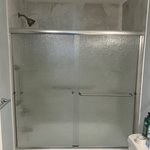
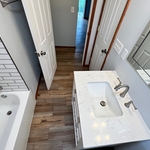
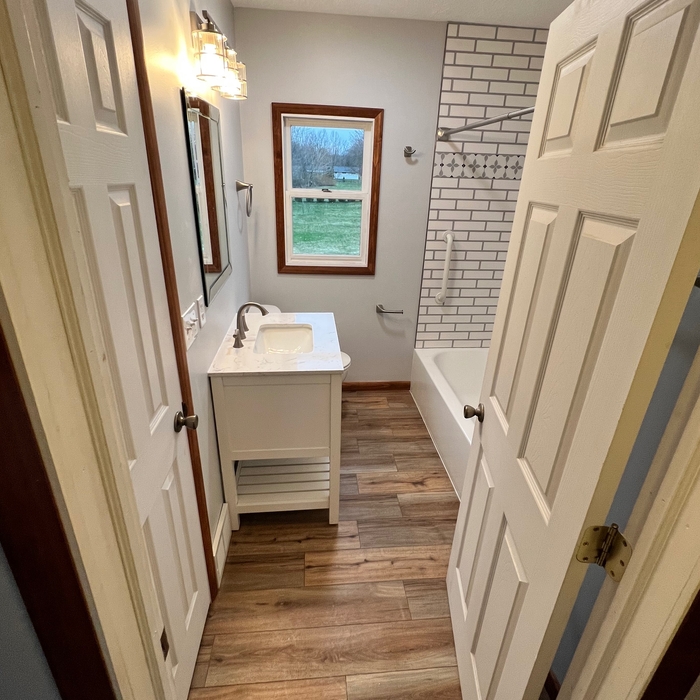
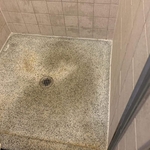
At J&A Tile, we take pride in delivering high-quality tile installation with craftsmanship you can trust. From custom showers and full bathroom remodels to kitchen backsplashes and flooring, we bring attention to detail and precision to every project.\n\nOur mission is simple: to create beautiful, durable spaces that exceed our customers’ expectations. We believe every tile should be installed with care, professionalism, and a commitment to quality that lasts for years to come.\n\nJ&A Tile is here to turn your vision into reality—one tile at a time.

...
Showing 1-10 of 66
Ceramic Tile FAQs, answered by experts

You can lay tile directly on a plywood countertop, but if it’s a high-traffic surface in a kitchen, it’s better to add a moisture-resistant base. Plywood is susceptible to moisture, so if dampness seeps through from the surface around the sink or where you prep food, it can cause the plywood to warp, leading to grout damage, cracked tiles, or mold growth under the surface. 

Glazed ceramic tiles don’t need to be sealed because the glazing already offers some protection against moisture. Unglazed ceramic tiles need to be sealed to keep the porous tile safe from moisture and staining. However, both types of tile can benefit from sealing. Sealant can make the tiles easier to keep clean and offer more resistance to water, spills, and stains.

You can attach tiles to a wall using thin-set mortar. You’ll also need a notched trowel to create grooves within the adhesive so it flattens completely when pressed in and securely holds the wall tiles. Finally, you’ll need grout to smooth the gaps between the tiles and, ideally, a grout sealer to prevent mold. While it sounds simple enough, proper planning and execution are crucial, so carefully review the steps in this guide or hire a pro tile installer to complete this project.

Yes, but you’ll have to use some other type of tool to avoid damaging the tile and possibly injuring yourself. Some alternatives to tile cutters include a glass cutter, angle grinder, and wet saw. Depending on the tile material, you might simply be able to measure and score it with something sharp, like a carbide-tipped pencil, and break it off. Be sure to sand the edge for a smooth installation.

The number of boxes of tile you need depends entirely on the amount of tile in each box or case. Different manufacturers package their tiles differently, and boxes contain different amounts of tile depending on the size, shape, and material. Often, the amount of area that a case will cover is listed in the product description. To calculate the number of boxes you need, take the total square feet of the space and divide it by the number of square feet the box will cover.

The Leetonia, OH homeowners’ guide to ceramic tile services

From average costs to expert advice, get all the answers you need to get your job done.