We take great pride in our experience, expertise, quality, and customer service that we provide to meet the consumer's needs. It is our mission to provide excellent workmanship and complete customer satisfaction from start to completion of a project. In order to understand the needs and expectations of our customers, we take great care to work and communicate with every customer in a professional manner. Our reputation is based on service, safety, and quality, regardless of how large or small the job. Call us today.
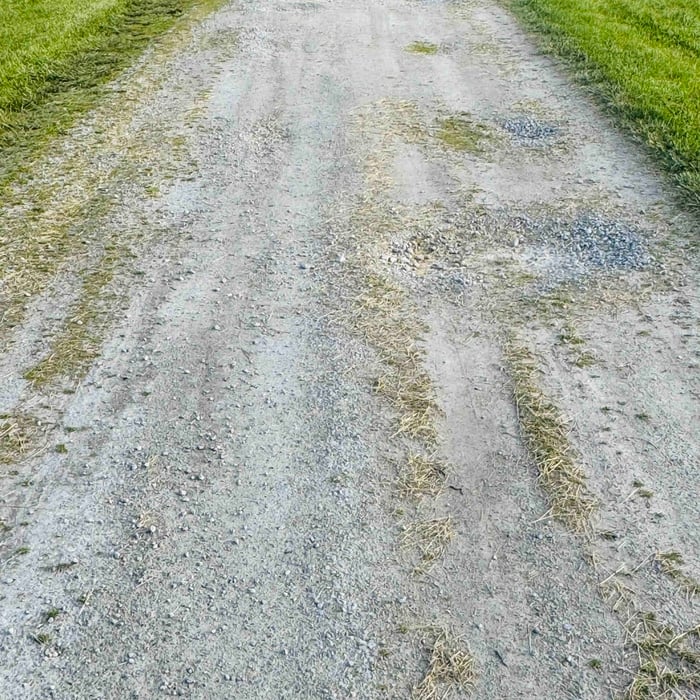
Home\nDesign ideas and concept creation for interior needs through software at a cost)sometimes you don’t know what you want until you see it visually)\nGeneral maintenance around repair around house\nPressure washing\nGutter cleaning\nJunk removal\nCabinet install\n\n\n\n\nLand\nI offer services such as driveway repair and remediation, tree removal, site prep for building install and grading fill for proper drainage.
Welcome to our family-owned company! With over 25 years of experience, we are dedicated to delivering excellence in everything we do. We believe in fair and honest pricing, ensuring that our valued customers receive the best service without any surprises. Thank you for choosing us, and we look forward to serving you!
Shoemaker Excavating is committed to excellence in every aspect of our business. We uphold a standard of integrity bound by fairness, honesty, and personal responsibility. Our distinction is the quality of service we bring to our customers. Accurate knowledge of our trade combined with ability is what makes us true professionals. Above all, we are watchful of our customers' interests, and make their concerns the basis of our business.\n
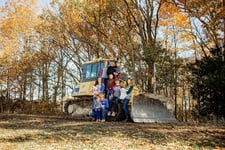
Our company is made up of just four owner operators which means the people you talk with and meet with will be the ones doing the work and will be committed to performing quality work that our business depends on.
Clark's Excavating is committed to excellence in every aspect of our business. We uphold a standard of integrity bound by fairness, honesty, and personal responsibility. Our distinction is the quality of service we bring to our customers. Accurate knowledge of our trade combined with ability is what makes us true professionals. Above all, we are watchful of our customers' interests, and make their concerns the basis of our business.\n\n
Local Farmer owned landscaping company thriving to give our clients the look they want. We have clients in Urbana, St. Paris, Bellefountain, Marysville, Springfield and surrounding areas.
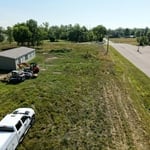
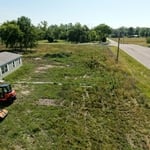
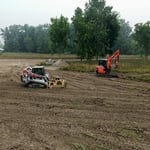
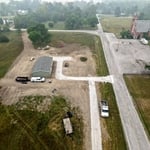
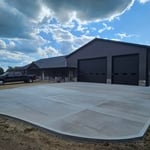
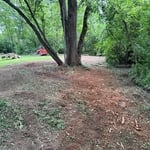
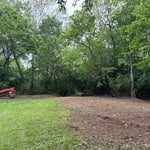
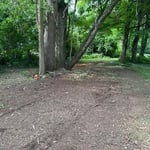
Improving the Land around us; whether it be through Forestry Mulching, Fine Grading, Demolition, or Concrete Flatwork. We are a tight bonded Family Company. Experienced and Insured.
I am a competent individual with unique experiences that suit me to take on almost any job around your property. My kids describe me as someone who can figure out how to do anything. Please allow me to help you with your projects!
Depending on the severity of the freeze and the method used, thawing frozen underground pipes can take anywhere from 30 minutes to several hours. Applying heat directly to the pipe using heat tape, infrared lamps, or hot water jetting can speed up the process. However, patience and careful monitoring are key to avoiding pipe damage.
No, you typically cannot use metal detectors to find your sewer line. Most sewer lines are made of non-metallic materials such as PVC, clay, or cast iron, which are not detectable by standard metal detectors. Metal detectors are designed to locate metallic objects, so they won't be effective for identifying the path of a non-metallic sewer line. To locate your sewer line accurately, it's best to use other methods.
It can take several weeks for the ground to settle after removing a tree, and the soil under larger, more mature trees can take months. The deeper the tree has been ground under the soil, the longer it will take to settle. However, this extra depth can help you plant new landscaping sooner because you’ll have more space for fresh soil.
Consultation with the local government helps identify necessary permits, avoid project delays or legal issues, and protect project integrity.
A trench that is less than 5 feet deep often doesn't require a protective system. Most residential trenches will not go this deep (the typical residential drainage trench is just 18 inches deep). In the event that an excavator needs to dig more than 5 feet beneath the surface, a protective system is required unless the excavation is in entirely stable rock.
The Jackson Center, OH homeowners’ guide to excavation services
From average costs to expert advice, get all the answers you need to get your job done.
Excavation costs $1,500 to $6,300 for most residential projects—but it depends on factors like the size of the area. This guide will help you plan a budget.
You can't have an in-ground pool without digging into the ground. How much does pool excavation cost, and can you take it on yourself? Our guide explains.
Picking the right pro can make or break your project. Learn how to hire an excavation pro with the qualifications and skillset to do the job efficiently.