








I’m a skilled handyman with experience across nearly every aspect of construction and home finishing. From framing and drywall to trim work, flooring, painting, and repairs, I bring a well-rounded skill set to every project—including electrical work. I take pride in quality workmanship, clear communication, and getting the job done right the first time.
"This duo did excellent work! We hired them for several projects including building a Blackstone grill, mounting and moving TV's, and hanging a large painting. All of these tasks were done very well and our furniture was handled with care. We will definitely use them in the future!"
Been in construction business for 22 years just started my own business ready to help others dreams come true from small projects to Big projects whatever you may need
Hi, my name is Riley. I’m 22 years old and working hard to build my path as a general contractor. I take pride in honest work, reliability, and doing every job the right way. My goal is to provide quality craftsmanship people can trust while continuing to grow my business through hard work and dedication.
Hello, my name is Evan. I am 24 years old and have been working on various home and car projects my whole life. I am happy to help in any way and quick to learn any new skills.
I have been a homeowner since I was nineteen years old and have done many projects of small and large sizes. I specialize in putting together many things and some automotive projects.
DIY is not recommended due to safety concerns. Professional installation ensures proper connections and compliance with codes.
All U.S. states require permits for gas grill installation, so you’ll have to get one before you move forward with your project. Permits help ensure that the gas line runs safely to avoid gas leaks and explosions. Gas line permits can usually also only be pulled by certified plumbers, which means you’ll have to hire a professional from the start. The permit for a gas line installation for a gas grill usually costs between $100 and $300. You can contact your installation company or building department for more accurate pricing.
Local codes often mandate specific fittings, permits, and vent considerations for permitted function and safety, which are enforced by professionals.
No. Placing a built-in grill against the house is discouraged due to safety concerns. Building codes and regulations often require a minimum distance (typically 10 feet or more) between a gas grill and any combustible structure, including a house. Placing a grill too close poses a fire hazard and risks damage to the siding or structure, potentially leading to carbon monoxide buildup. It's essential to consult local building codes, follow manufacturer guidelines, and prioritize safety by positioning the grill at a safe distance, ideally in a well-ventilated outdoor kitchen or designated grill area.
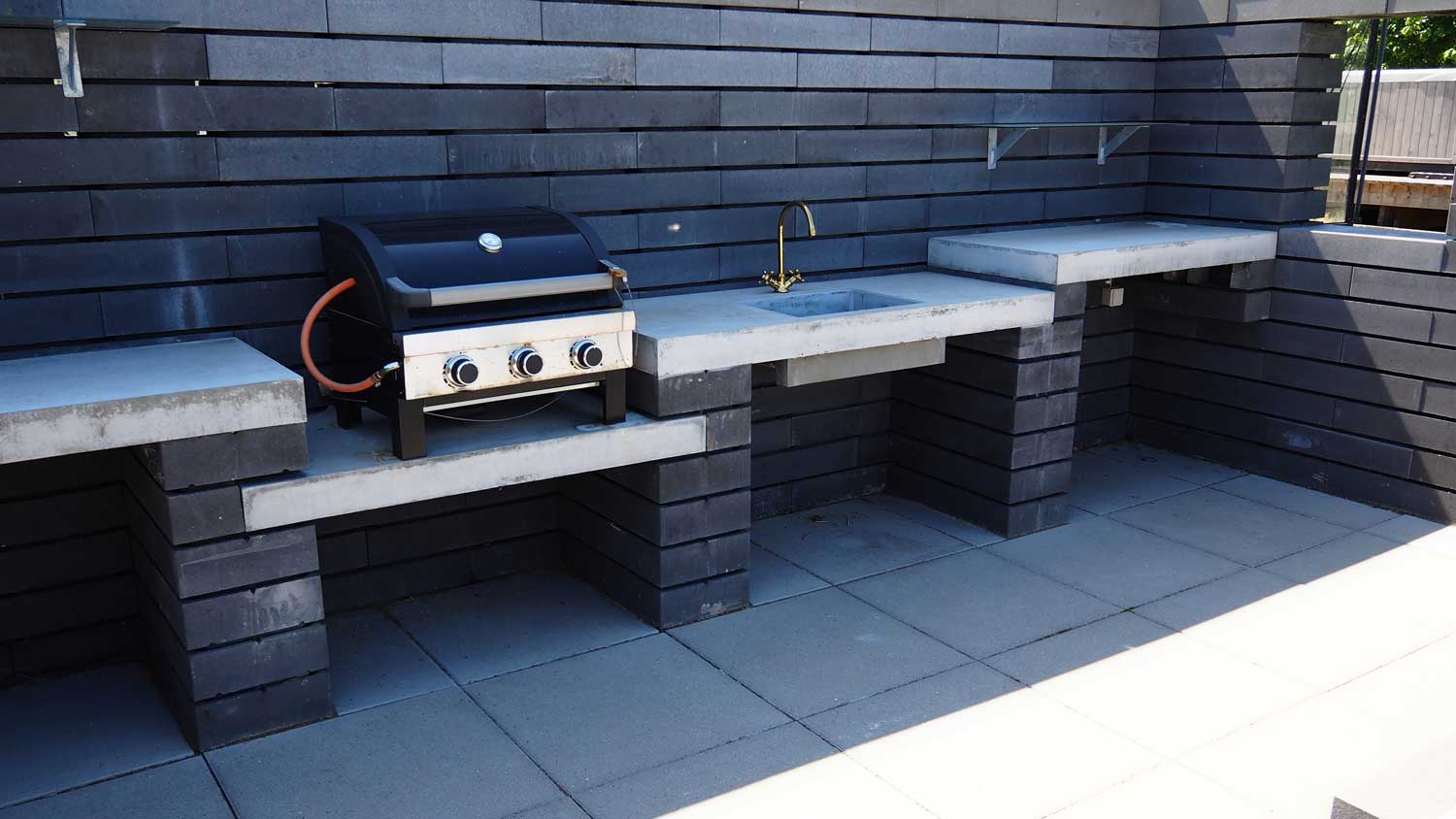
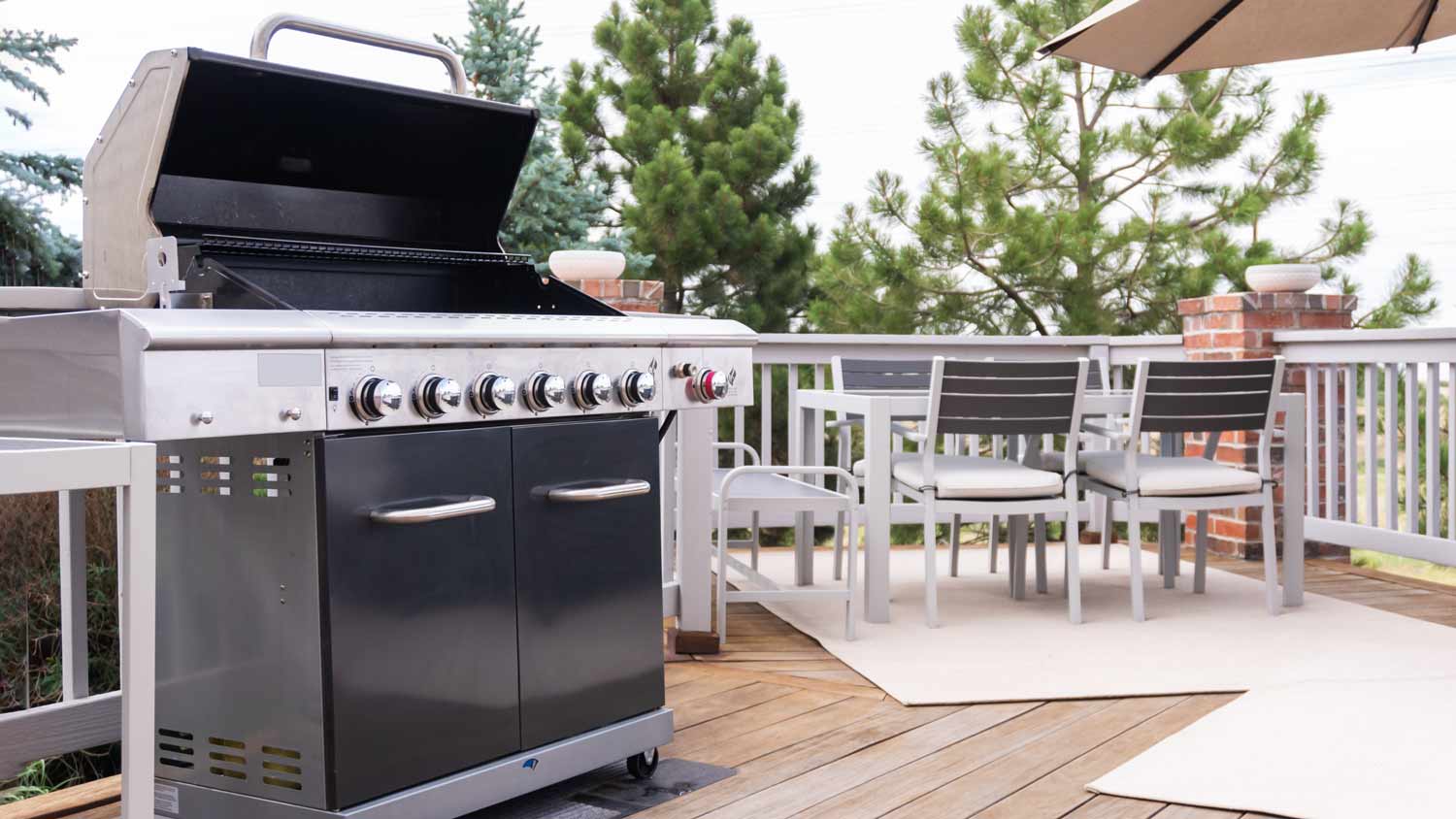
The difference between a built-in and regular grill is installation and design. A built-in grill is integrated into an outdoor kitchen or structure, often within a countertop or island. It is a permanent fixture. A regular grill is standalone, portable, or cart-mounted, allowing mobility and versatility in placement. Built-in grills are typically larger with more cooking space, while regular grills come in various sizes. Built-in grills are favored for creating a custom outdoor cooking area, while regular grills provide convenience and flexibility.
The Houston, OH homeowners’ guide to grill assembly services
From average costs to expert advice, get all the answers you need to get your job done.
If you’re not keen on spending your afternoon assembling flat-pack furniture, bring in the professionals. How much does furniture assembly cost? It can be shockingly affordable.
Planning a new outdoor cooking space? Learn everything you need to know about gas grill installation costs, setup options, and how to hire a local pro.