



Top-rated radon detection and reduction specialists.

Get matched with top radon detection and reduction specialists in Gnadenhutten, OH

Enter your zip and get matched with up to 5 pros

Need a pro for your radon detection and reduction project in Gnadenhutten, OH?

Select your specific project to find the pro for you.

Find Radon detection and reduction specialists in Gnadenhutten

Avatar for Down Home Inspections, LLC
Down Home Inspections, LLC
5.0(
15
)
Radon Gas - Testing

Serving Gnadenhutten, OH and surrounding areas

Approved

In business since 1990

Free estimates

Credit card accepted

"Russ was awesome and so pleasant to work with. I didn't really understand Radon at the time so he took his time to explain it in detail. I highly recommend his services for radon testing!"
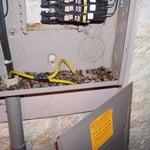
Main Breaker panel
Live wire
Exposed wiring
Corroded piping
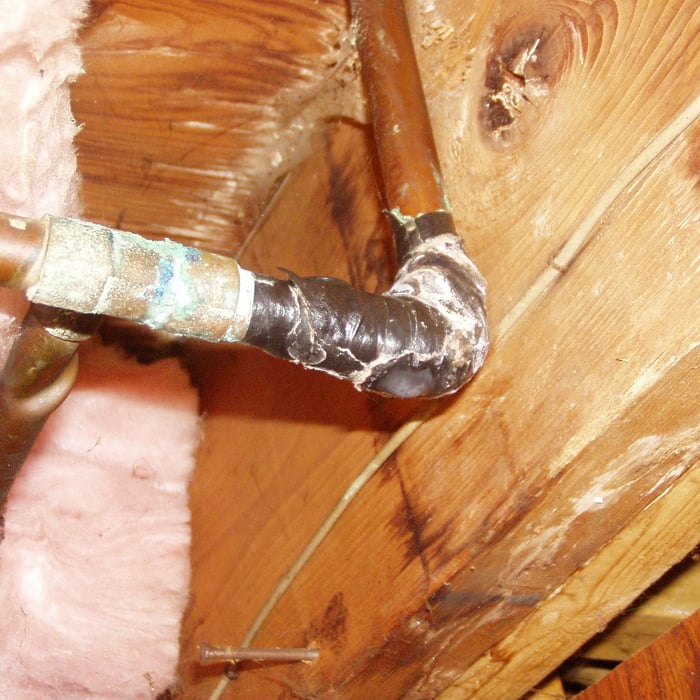
Electrical tape repair failed

+5

Response time3 hrs
Recommended by100%of homeowners

Vapor Removal
New to Angi
Radon Gas - AbatementRadon Gas - Testing

Serving Gnadenhutten, OH and surrounding areas

In business since 1993

Our leadership envisioned a better way to mitigate vapor intrusion: To mitigate vapors with newer technology that is cost effective, timely, provides instant results and is more energy efficient than any other product available. They saw a way to breathe life back into buildings plagued by soil vapor intrusion and to repurpose these buildings to better serve the communities they inhabit.

Erock Property Inspections
New to Angi
Radon Gas - Testing

Serving Gnadenhutten, OH and surrounding areas

In business since 2024

Free estimates

Credit card accepted

We take great pride in our experience, expertise, quality, and customer service that we provide to meet the consumers' needs. It is our mission to provide excellent workmanship, and complete customer satisfaction from start to completion of a project. In order to understand the needs, and expectations of our customers, we take great care to work, and communicate with every customer in a professional manner. Our reputation is based on service, safety, and quality, regardless of how large or small the job.

Radon Detection and Reduction questions, answered by experts

No, air purifiers are not an effective way to reduce or remove radon. Radon is a radioactive, inert gas that cannot be filtered by standard air purifiers, which are designed to capture particulates like dust and mold. While an air purifier can improve indoor air quality by removing other pollutants, it should not be relied upon for radon. The only effective solution for high radon levels is a dedicated radon mitigation system.

Keeping radon from getting into your home is much better than having to get rid of it once it's already indoors. While there may not be a way to fully prevent radon from getting into your home, there are things you can do to reduce the gas's ability to enter. 

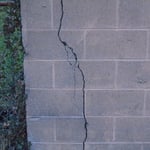
Sealing foundation cracks and openings can help keep the gas from seeping inside. Improving air flow, such as by opening windows, can also be helpful. If you're building your home from scratch, talk to your contractor about using radon-resistant construction to keep the gas out.

Radon is present almost everywhere but, like sunlight, the concentration levels and how often you are exposed to it have a large part to play in just how dangerous it is. There are levels of radon that are acceptable inside a house, but above a certain limit, radon becomes a serious radioactive hazard that is a known cause of lung cancer. In fact, radon exposure is the number two leading cause of lung cancer (after smoking).

No level of radon is technically safe, but since it is naturally present everywhere, it is impossible to avoid entirely. The average radon level in homes across the United States is 1.3 picocuries per liter (pCi/L). The Environmental Protection Agency (EPA) recommends taking action to reduce radon levels if your home's test results are between 2 and 4 pCi/L or higher.

The lifespan of a radon mitigation system depends on the type of system and its maintenance. With proper care, a system can last for many decades. Passive systems tend to last longer as they have fewer components that require replacement. Active systems, which have more moving parts like fans, generally have a shorter lifespan. For instance, water filtration devices and active pressurization systems require more frequent maintenance. While the system as a whole is durable, the radon fan in an active system typically has a lifespan of 5 to 10 years and will need to be replaced. As long as the fan is working, the mitigation system should function correctly.

The Gnadenhutten, OH homeowners’ guide to radon detection and reduction services

From average costs to expert advice, get all the answers you need to get your job done.