



Top-rated deck staining pros.

Get matched with top deck staining pros in Gibsonburg, OH

Enter your zip and get matched with up to 5 pros

Need a pro for your deck staining project in Gibsonburg, OH?

Select your specific project to find the pro for you.

Find Deck staining pros in Gibsonburg

Avatar for Liedel Power Cleaning & Painting
Liedel Power Cleaning & Painting
5.0(
86
)
Exterior Home or Structure - Paint or Stain: MediumExterior Home or Structure - Paint or Stain: LargeExterior Home or Structure - Paint or Stain

Serving Gibsonburg, OH and surrounding areas

Approved

In business since 1988

Free estimates

Emergency services offered

"This is a local family business. Three generations of the family showed up at our house to work. They were on time, friendly and very professional. We got an estimate from Brad. Benjamin and his team showed up on time and did all the work in one day! Benjamin's grandfather who is a carpenter came out to replace wood for two of the windows. It was great because we didn't have to contact another contractor. Brad stopped in occasionally to make sure things were running smoothly. The guys were very careful not to trample my plants around the house and they cleaned up as they worked. They left our yard immaculate when they left. They did a superb job painting the windows and staining the airing deck railing. The house looks so much better and we have peace of mind that everything was done the right way. On a personal note, we love the fact that they are a local Christian based, family business. We had to leave the house a few times during the day and we had peace of mind that we could trust them when we were gone. They all were so sweet and kind. Even our dogs adored them. We highly recommend Liedel Power Cleaning and Painting. We will contact them next year to have our garage painted. We couldn't be happier!"
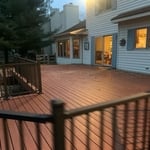
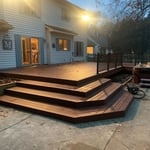
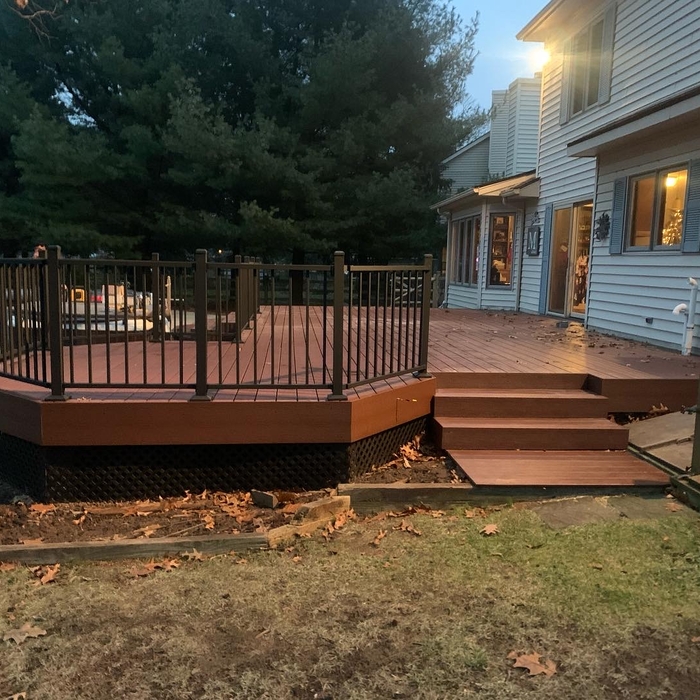
Composite Deck Rebuild (orange & black)
Exterior Painting Project
Composite Deck Rebuild (orange & black)

+59

Response time1 day
Response rate100%
9 neighbors recently requested a quote

Done up
New to Angi
Exterior Home or Structure - Paint or StainExterior Home or Structure - Paint or Stain: LargeExterior Home or Structure - Paint or Stain: Medium

Serving Gibsonburg, OH and surrounding areas

Approved

Free estimates

Emergency services offered

Warranties offered

I’m a one-stop shop for all your maintenance needs, with a knack for tech and a wide range of skills in various trades. Nothing too big to tackle and nothing too simple I won’t accept. Not to mention I can promise to beat larger companies and there estimates every single time\n\n

1 neighbors recently requested a quote
...
Showing 1-10 of 68
Deck Staining questions, answered by experts

Staining or sealing a cedar deck or fence is highly recommended to extend its lifespan and protect it from the elements. While cedar is naturally resistant to mold and mildew, it is not impervious to damage from moisture, sun exposure, splintering, fading, and rot over time. Applying a protective finish creates a shield that preserves the wood's strength and appearance, potentially extending its life by five to 10 years.

When choosing a finish, it's helpful to understand the difference between a sealer and a stain. A sealer sits on top of the wood, whereas a combination stain and sealer soaks into the top layer. Because it penetrates the wood, a stain generally offers better protection against UV damage and rot and lasts significantly longer. For the best results that also preserve the wood's natural color, consider using a near-translucent stain.

To maintain protection, plan on reapplying the stain or sealer every two to three years, either as a DIY project or by hiring a professional.

Limewash and whitewash are two techniques used to give brick a light, matte finish, but they differ in composition, application, and permanence. The best choice depends on your aesthetic goals and the specific surface.

Composition

  • Limewash: A natural and environmentally friendly option made from limestone, water, and sometimes pigments. It is breathable and soaks into porous surfaces like brick.

  • Whitewash: Traditionally made from lime, water, chalk, and binders, but a similar look can be achieved with watered-down white paint. It is paint-based and sits on top of the surface.

Appearance and Finish

  • Limewash: Provides a natural, textured appearance that allows the brick's character to show through. It offers a more traditional finish.

  • Whitewash: Creates a softer, more opaque finish, often used for a rustic or shabby-chic style.

Application and Permanence

  • Limewash: Is semi-permanent and can be removed, making it a good choice if you might want to change the look in the future. It requires more skill to apply and cannot be used on previously painted brick.

  • Whitewash: Is a more permanent solution. It is more forgiving to apply and can be used on painted brick. However, because it sits on the surface, it can trap moisture.

Ultimately, if you want a breathable, natural, and reversible finish for unpainted brick, limewash is a great option. If you need a more permanent, opaque coating that can be applied over painted surfaces, whitewash is the better choice. Whitewashing may also be more economical, costing approximately $1.40 to $4.20 per square foot.

If you don’t treat a cedar fence, it will turn from reddish brown to gray over time. You can keep the cedar from graying and retain its attractive, deep red color by sealing your cedar fence with a stain that keeps the wood’s oils in and serves as a barrier against the sun’s UV rays.

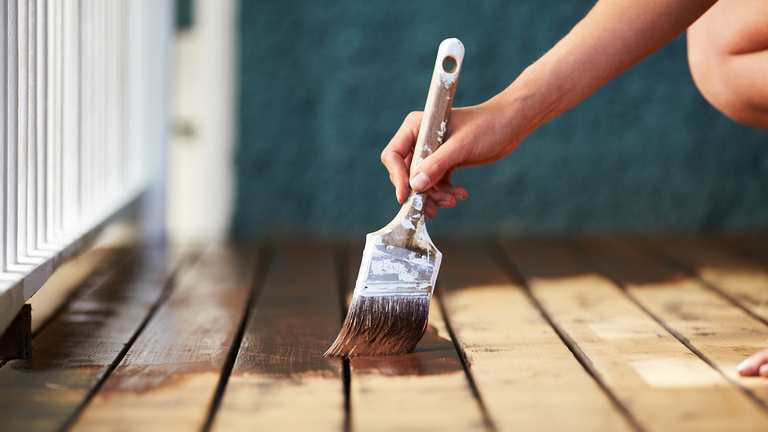
Whether to brush or roll stain on wood depends on the project and your preference. Brushing is ideal for smaller, intricate areas and offers more control over the application, ensuring thorough coverage and penetration into the wood's grain. 

Conversely, rolling is efficient for more extensive, flat surfaces and can save time. However, it is not always the best fit for textured or uneven wood. Some projects may benefit from combining both methods, using a brush for detail work and a roller for broader areas. Ultimately, the choice between brushing and rolling depends on the specific requirements of your staining project.

Wet-sanding and dry-sanding each have pros and cons. Dry-sanding is less messy, so it’s a good option if you’re trying to minimize dust (for example, if you’re sanding an occupied home or working with particularly dry or dusty drywall mud). However, dry-sanding is quicker because you don’t have to keep rinsing a sponge or wait for it to dry before painting.

The Gibsonburg, OH homeowners’ guide to deck staining services

From average costs to expert advice, get all the answers you need to get your job done.