




Top-rated radon detection and reduction specialists.

Best radon detection and reduction specialists near Dresden, OH

Enter your zip and get matched with up to 5 pros

Need a pro for your radon detection and reduction project in Dresden, OH?

Select your specific project to find the pro for you.

Top-Rated Radon detection and reduction specialists in Dresden - Updated Nov 2026

Mid Ohio Radon Experts
New to Angi
Radon Gas - AbatementRadon Gas - Testing

Serving Dresden, OH and surrounding areas

In business since 2022

Free estimates

Offers commercial services

Mid Ohio Radon Experts LLC is a leader in providing our customers with the highest quality service in an honest, efficient, and professional way. Our pledge is to create successful relationships with our customers, employees and community by building trust, treating every project with the utmost integrity and exceeding expectations. We look forward to working with you!


Erock Property Inspections
New to Angi
Radon Gas - Testing

Serving Dresden, OH and surrounding areas

In business since 2024

Free estimates

Credit card accepted

We take great pride in our experience, expertise, quality, and customer service that we provide to meet the consumers' needs. It is our mission to provide excellent workmanship, and complete customer satisfaction from start to completion of a project. In order to understand the needs, and expectations of our customers, we take great care to work, and communicate with every customer in a professional manner. Our reputation is based on service, safety, and quality, regardless of how large or small the job.

Radon Detection and Reduction FAQs, answered by experts

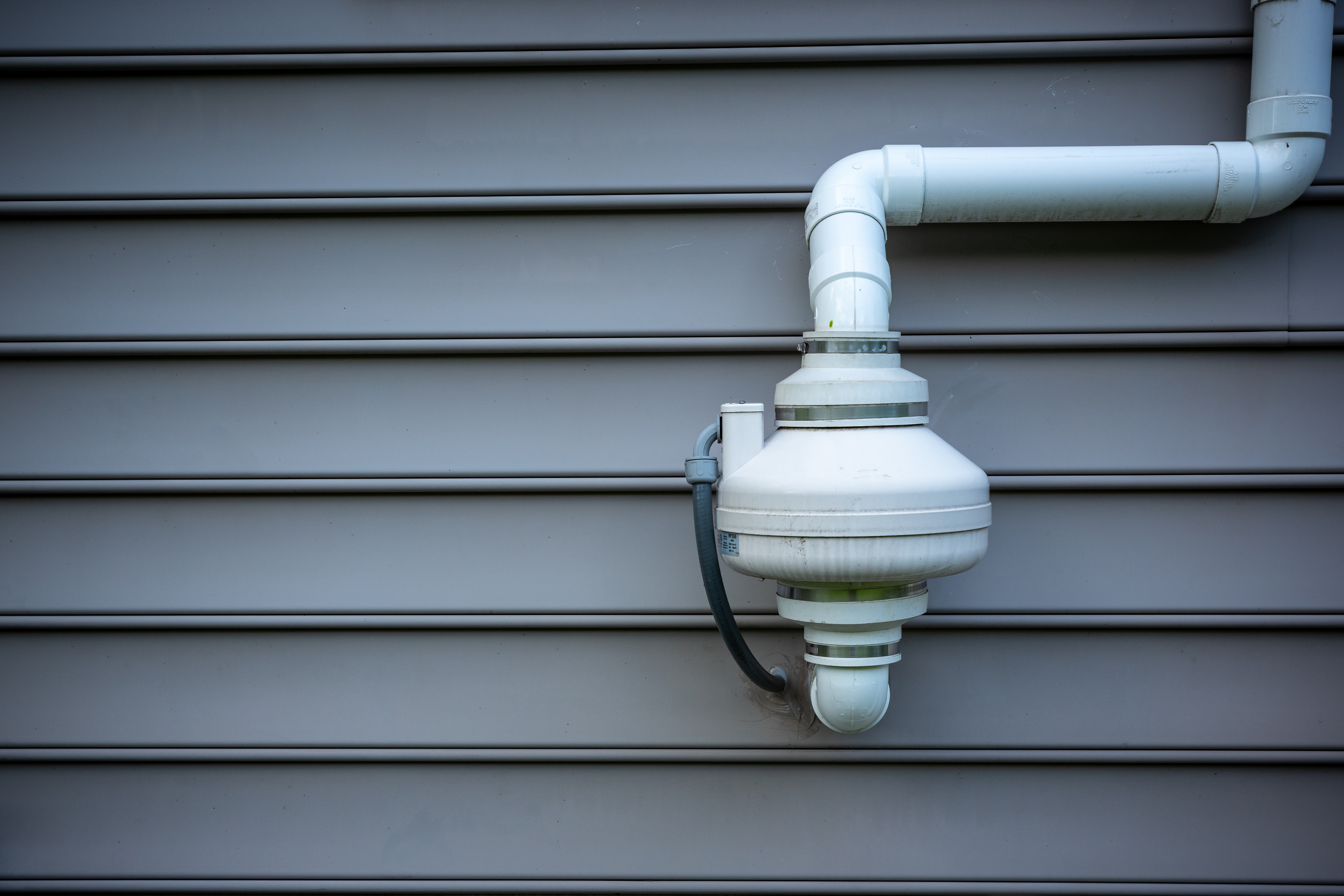
The average radon mitigation system uses about 876 kWh of electricity per year, although the exact amount of electricity used will vary depending on the size of the radon fan. Once the system is installed, the annual increase to your energy bill could range from $30 to $300 per year, again depending on the size of the fan.

Radon enters your home when warm air begins to rise and exits through the roof, creating a vacuum that pulls cooler air from under the foundation. Part of that air is radon, which is an invisible, odorless gas that develops naturally when radioactive particles are deep within the ground. Those particles usually come from decaying matter in soil and rocks.

If high radon levels are detected, steps include sealing entry points, installing a mitigation system, and retesting the air regularly to ensure reduced levels.

Options include sub-slab depressurization, crawlspace ventilation, and sealing cracks. Choose based on home construction and radon levels.

Radon is present almost everywhere but, like sunlight, the concentration levels and how often you are exposed to it have a large part to play in just how dangerous it is. There are levels of radon that are acceptable inside a house, but above a certain limit, radon becomes a serious radioactive hazard that is a known cause of lung cancer. In fact, radon exposure is the number two leading cause of lung cancer (after smoking).

The Dresden, OH homeowners’ guide to radon detection and reduction services

From average costs to expert advice, get all the answers you need to get your job done.


