






Top-rated ceiling fan pros.

Get matched with top ceiling fan pros in Doylestown, OH

Enter your zip and get matched with up to 5 pros

Need a pro for your ceiling fan service project in Doylestown, OH?

Select your specific project to find the pro for you.

TRUSTED BY DOYLESTOWN, OH HOMEOWNERS

  • Average homeowner rating star icon4.4
    Average homeowner rating
  • Verified reviews icon33
    Verified ceiling fan services reviews

Find Ceiling fan pros in Doylestown

Avatar for Litto Home Repairs
Litto Home Repairs
5.0(
1
)
Ceiling Fan - InstallCeiling Fan - Repair

Serving Doylestown, OH and surrounding areas

Approved

"Highly recommend this pro! He was efficient, professional and reasonable in price. He explained the what and why of what he was doing and completely resolved my plumbing issues."
31 neighbors recently requested a quote
...
Showing 1-10 of 69
Ceiling Fans questions, answered by experts

Identifying the source of noises is your first step to soundproofing a room without overspending. Generally, sound comes from inside or outside of the house. Inside noises include creaking floors, living noises like TVs in the living room, cooking sounds, or kids being kids. External noises generally include incremental weather, disturbing neighbors, and street traffic. Inside noises require you to soundproof floors, ceilings, and doors, whereas outside noises may require you to soundproof your attic, windows, and walls facing the streets.

The direction your ceiling fan spins helps create comfortable airflow in your home and can also help cut down on energy costs. 

During summer, your ceiling fan should spin counterclockwise. This will push cooler air downward in a column and help lower your room’s air temperature. In the winter, set your ceiling fan to spin clockwise and at the lowest speed setting. This will pull cool air upwards, displacing the warm air that pools towards the top of your ceiling and bringing it down towards the floor.

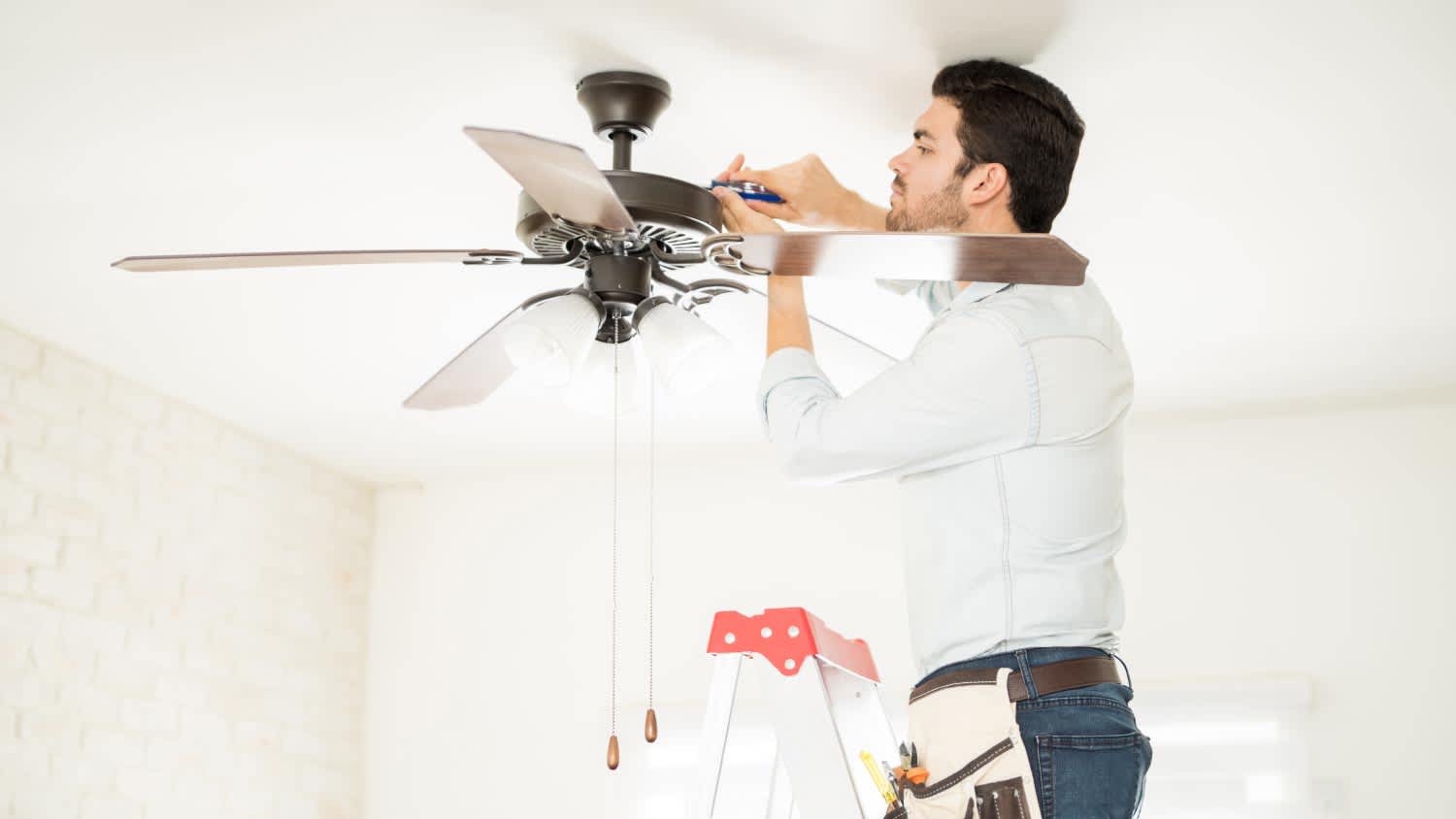
If you’re replacing an old fixture with a ceiling fan, you usually won’t need a permit, but if your electrician runs new wiring for the fixture, you likely will need a permit. Building permits are necessary in most municipalities if you’re making changes to your electrical system, so even if you have partial wiring run to the area and need new wiring installed for added functionality, you’ll probably need a permit. Your electrician should be able to let you know if you need one, and they’ll typically file the paperwork for you.

Ceiling fans can be a great way to cool your home without the expensive utility bill of running an air conditioner. Plus, ceiling fans can sometimes run in both directions, pushing hot air down in winter and pulling cold air up in summer. With that said, air conditioning might be the only thing that helps if you live in a very warm climate.

There are many types of ceiling fans, from self-automated smart ceiling fans to outdoor ceiling fans that provide additional comfort to your patio. What you choose all comes down to function and personal taste.

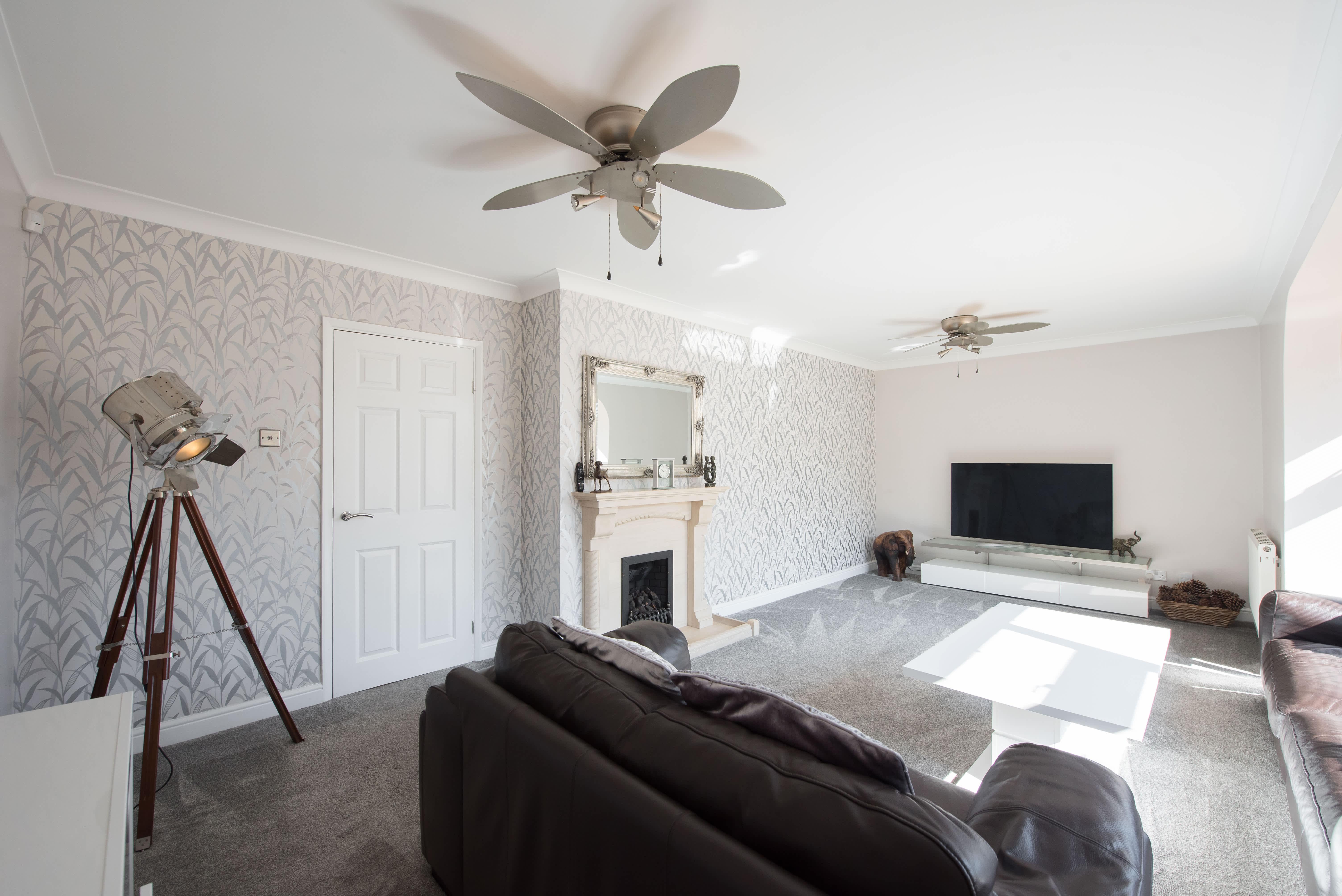
Consider your ceiling height when selecting a ceiling fan. Rooms with ceilings under eight feet high will do well with low-profile ceiling fans, also known as flush-mount or hugger ceiling fans. If your home has cathedral ceilings or ceilings between 10 and 25 feet high, you’ll need a large ceiling fan with a heavy-duty motor to get adequate air circulation.

The Doylestown, OH homeowners’ guide to ceiling fan services

From average costs to expert advice, get all the answers you need to get your job done.